
On the death-dealing slope, the traveler makes use
Of the favor of day, the slippery frost, no small stones,
And eyes blue with love he discovers his season
Beringed on all fingers with stars.

On the beach the sea has relinquished its ears
And the sand digs the spot for a beautiful crime.
Torture is harder for hangmen than victims
Bullets are tears and daggers are signs.

Capital of Pain, Black Widow Press, 2006
translated by Mary Ann Caws, Patricia Terry, Nancy Kline
originally published 1926.
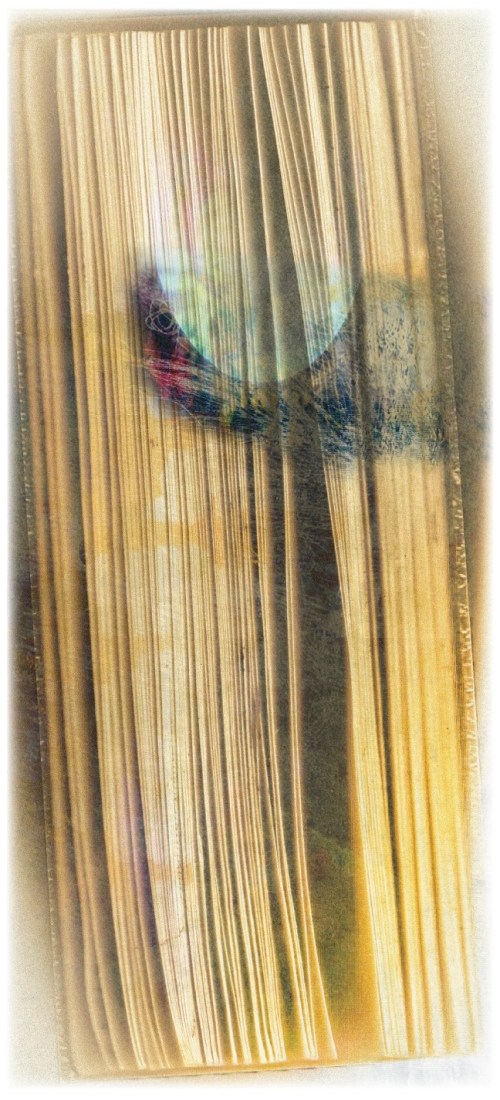
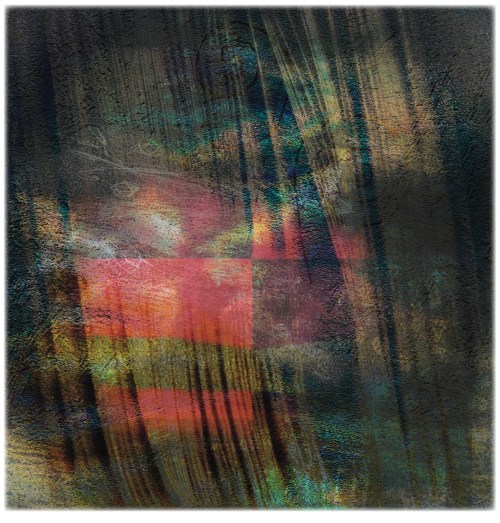
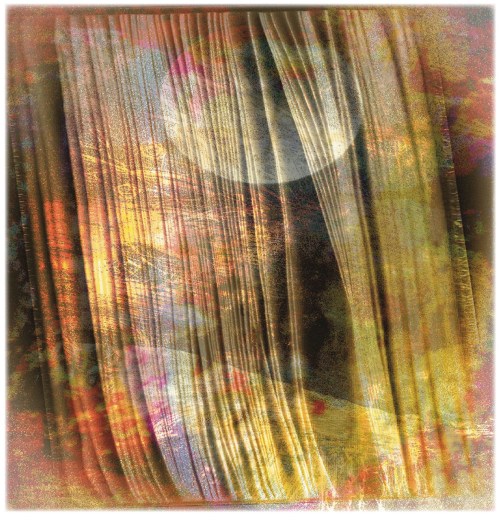
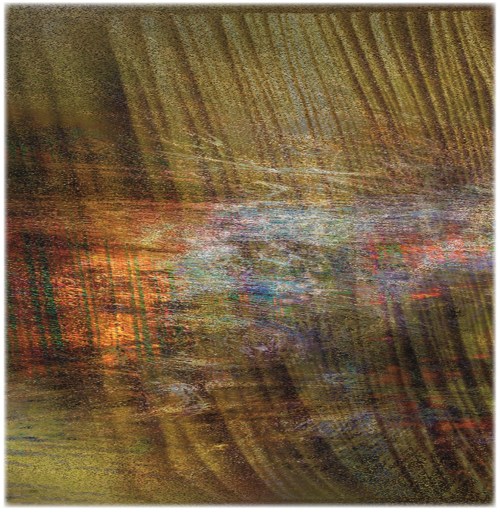
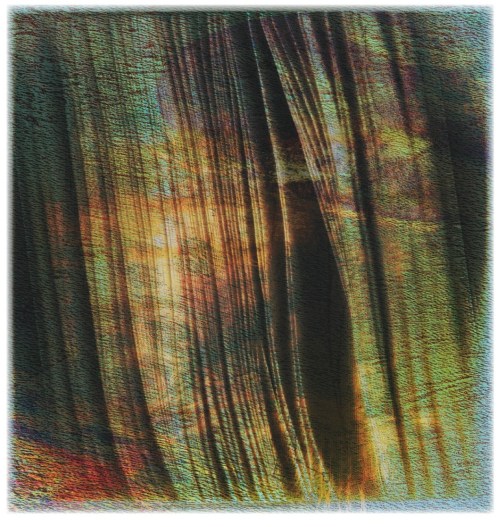
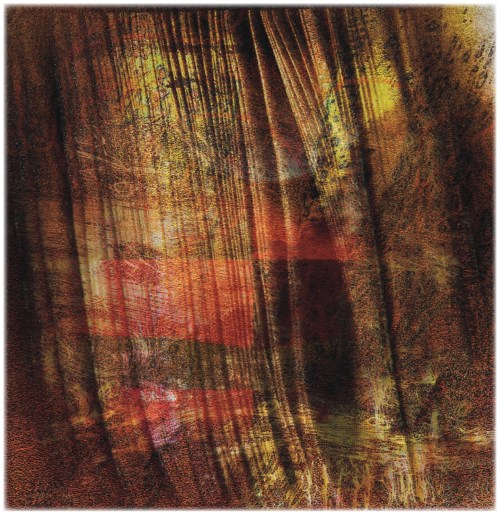
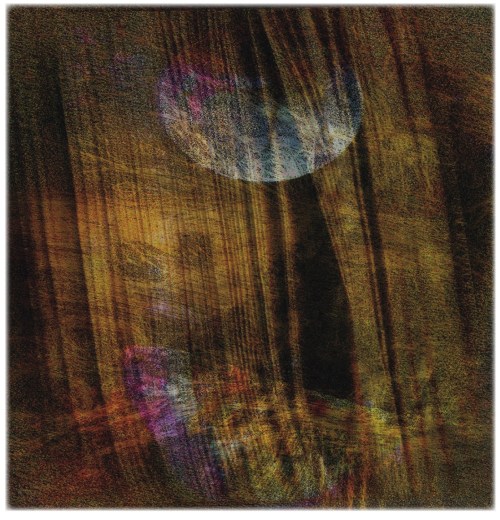
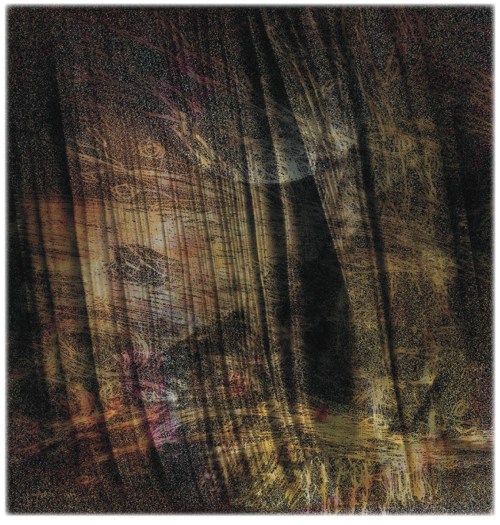
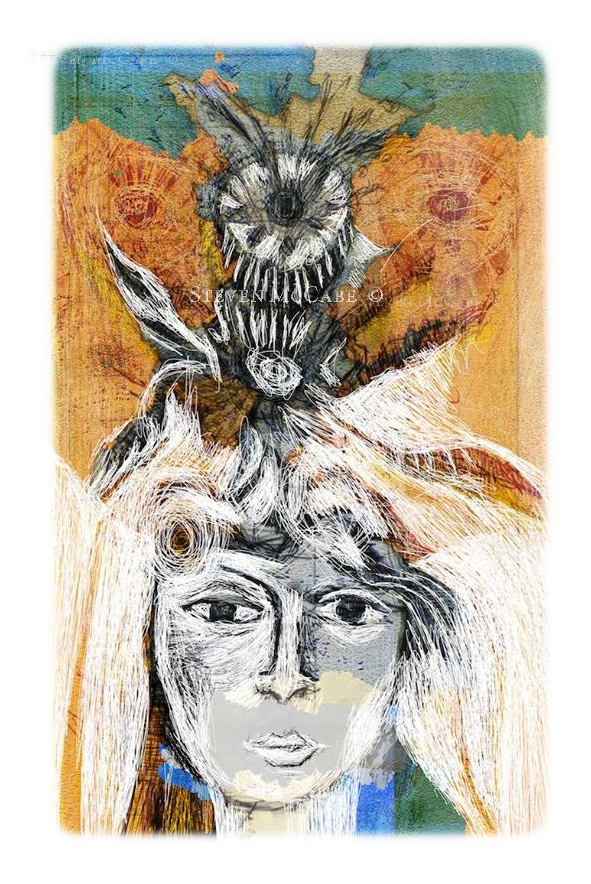
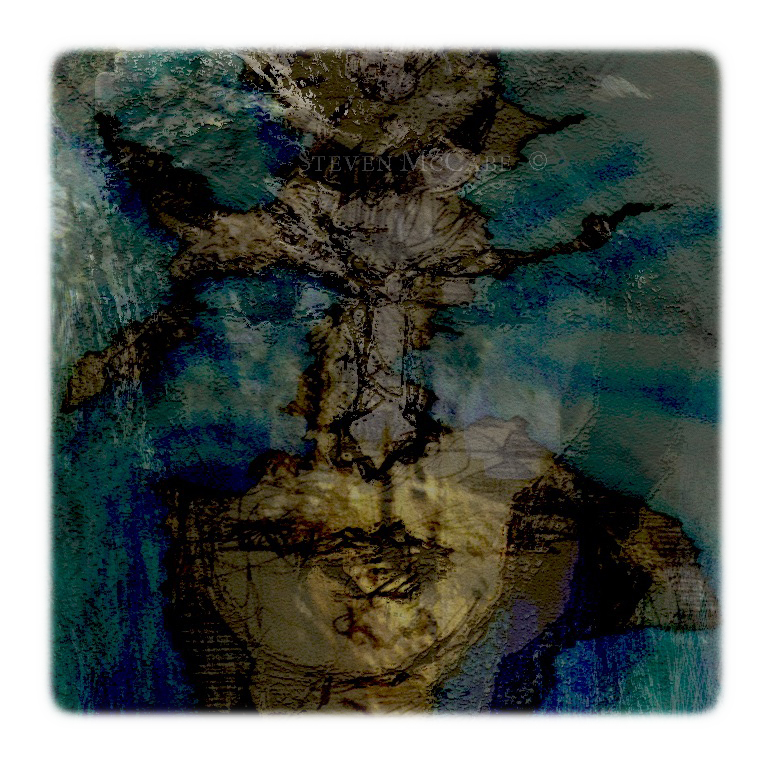
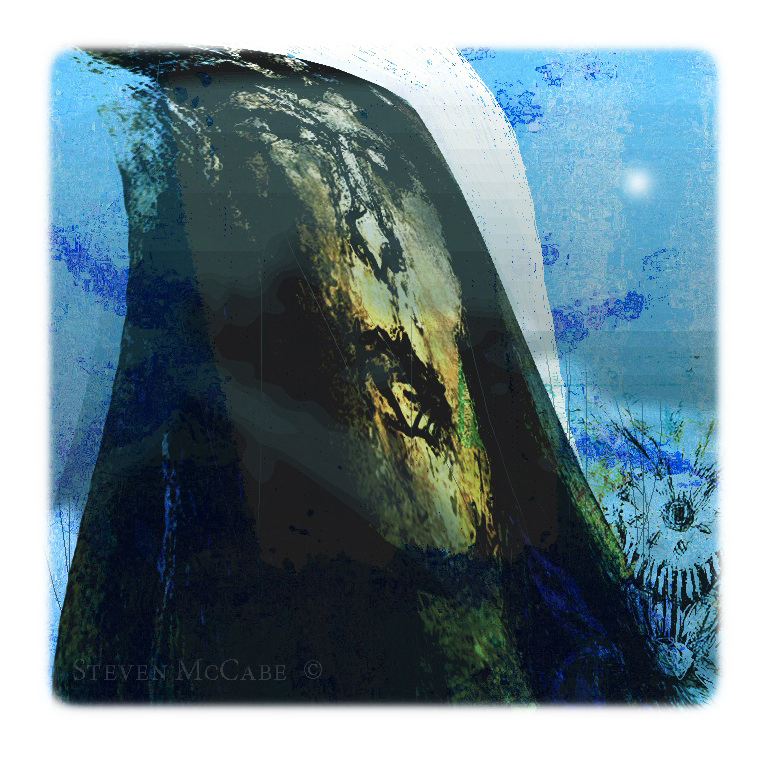
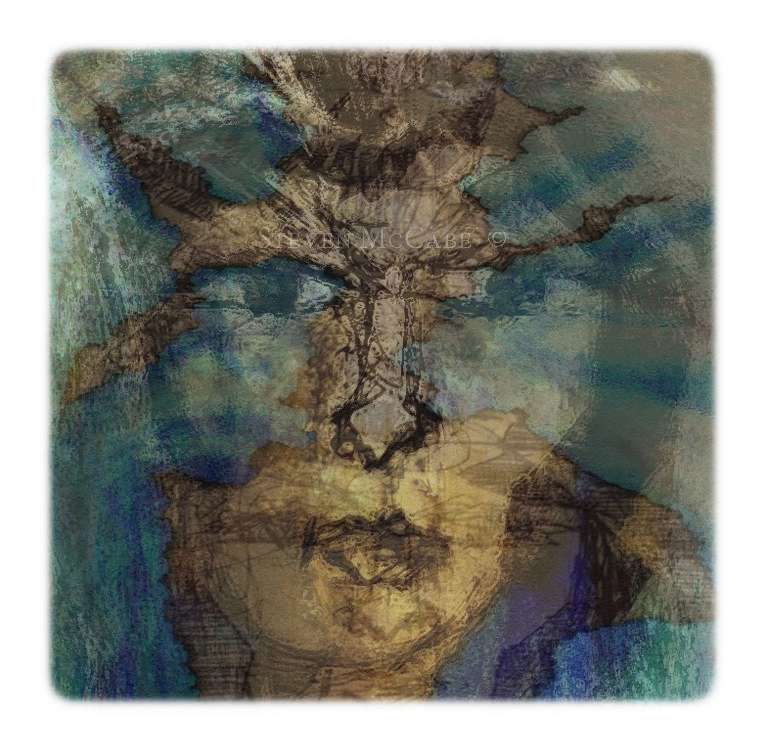
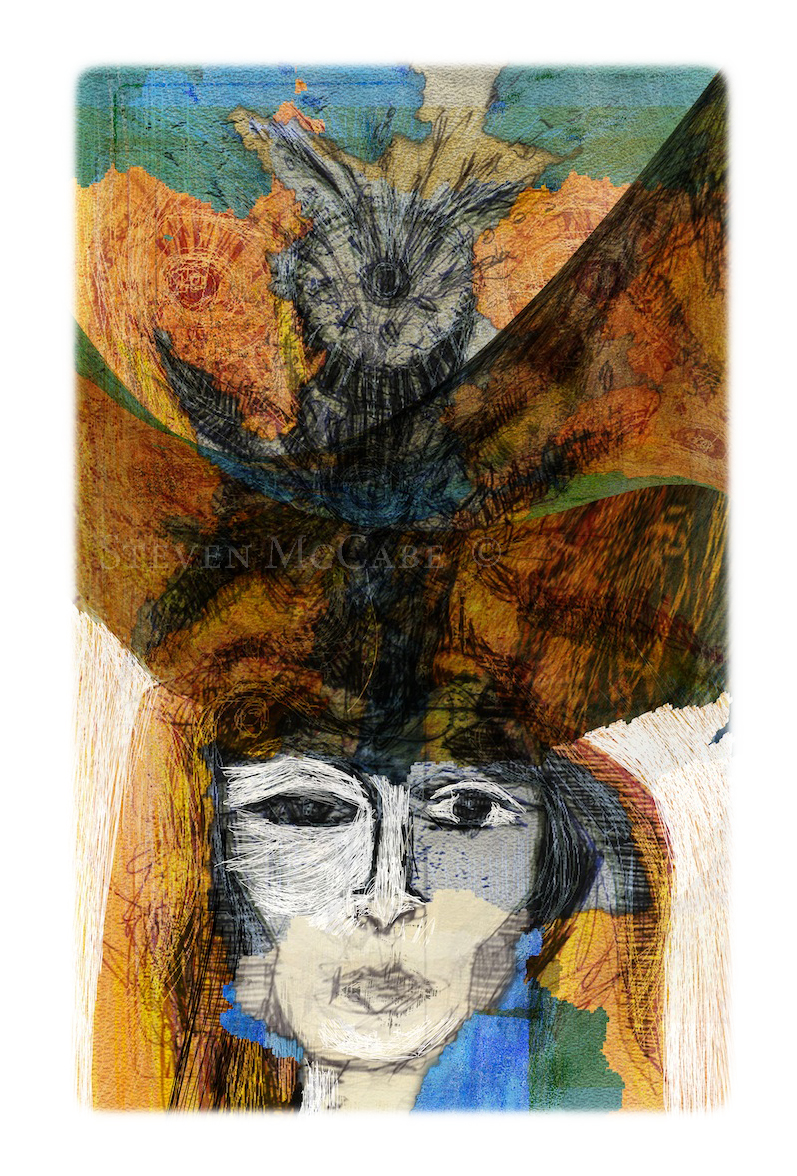
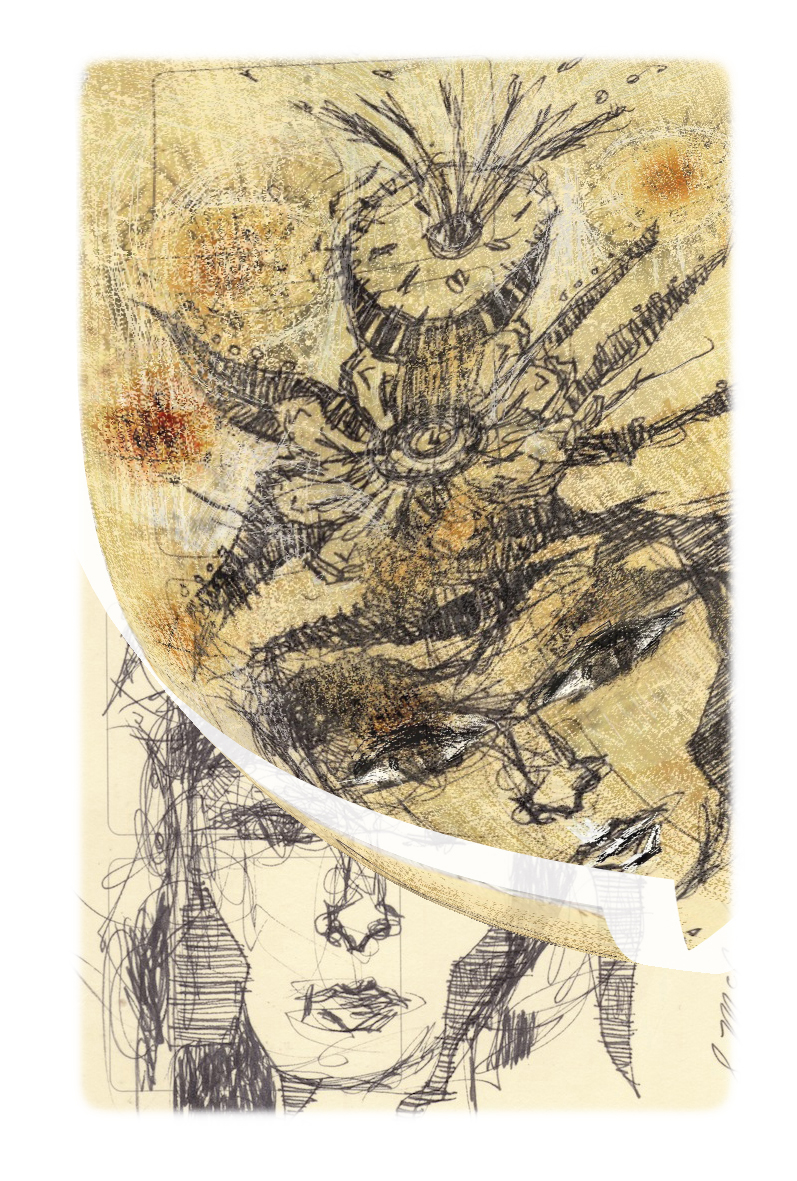
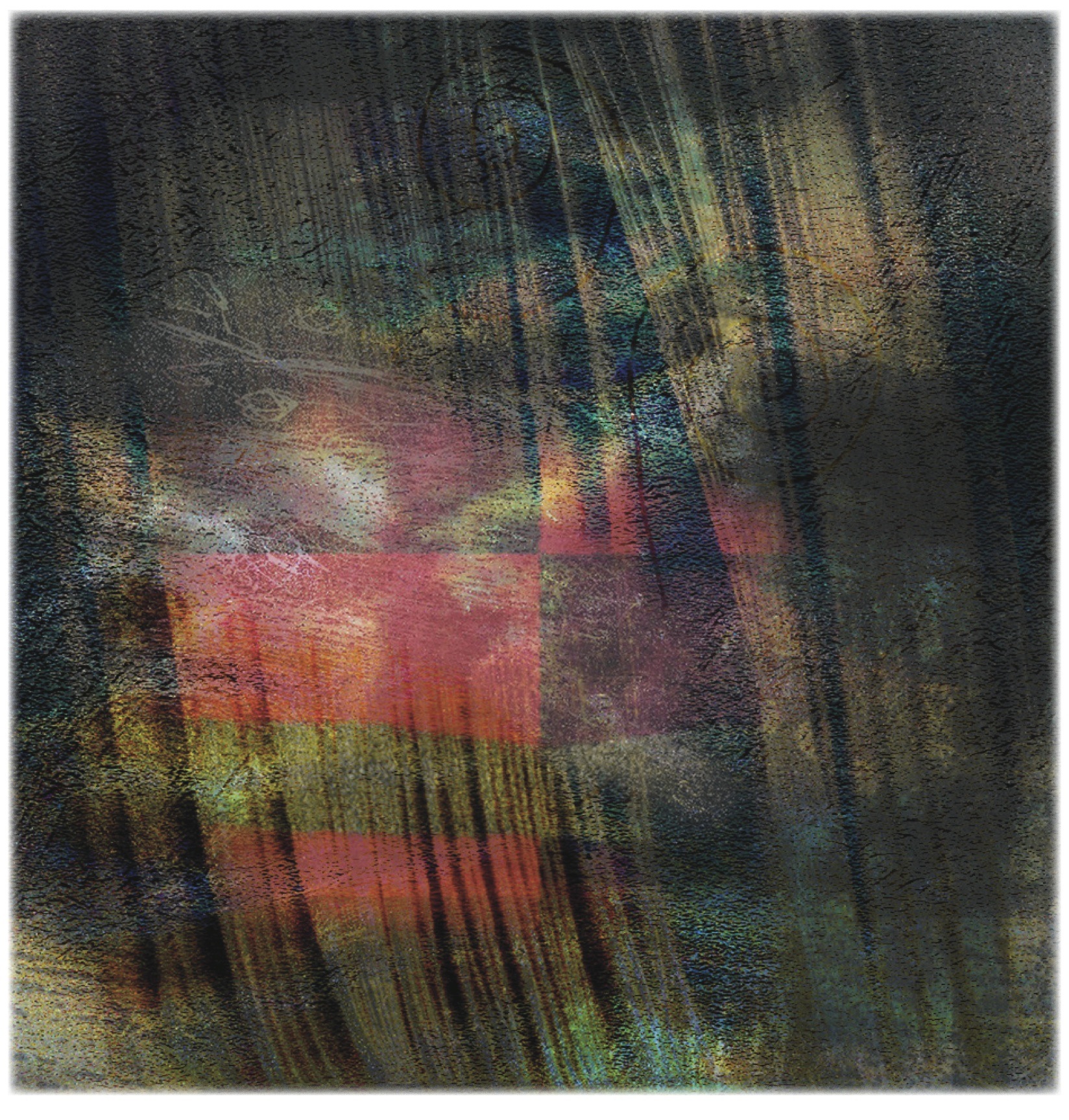
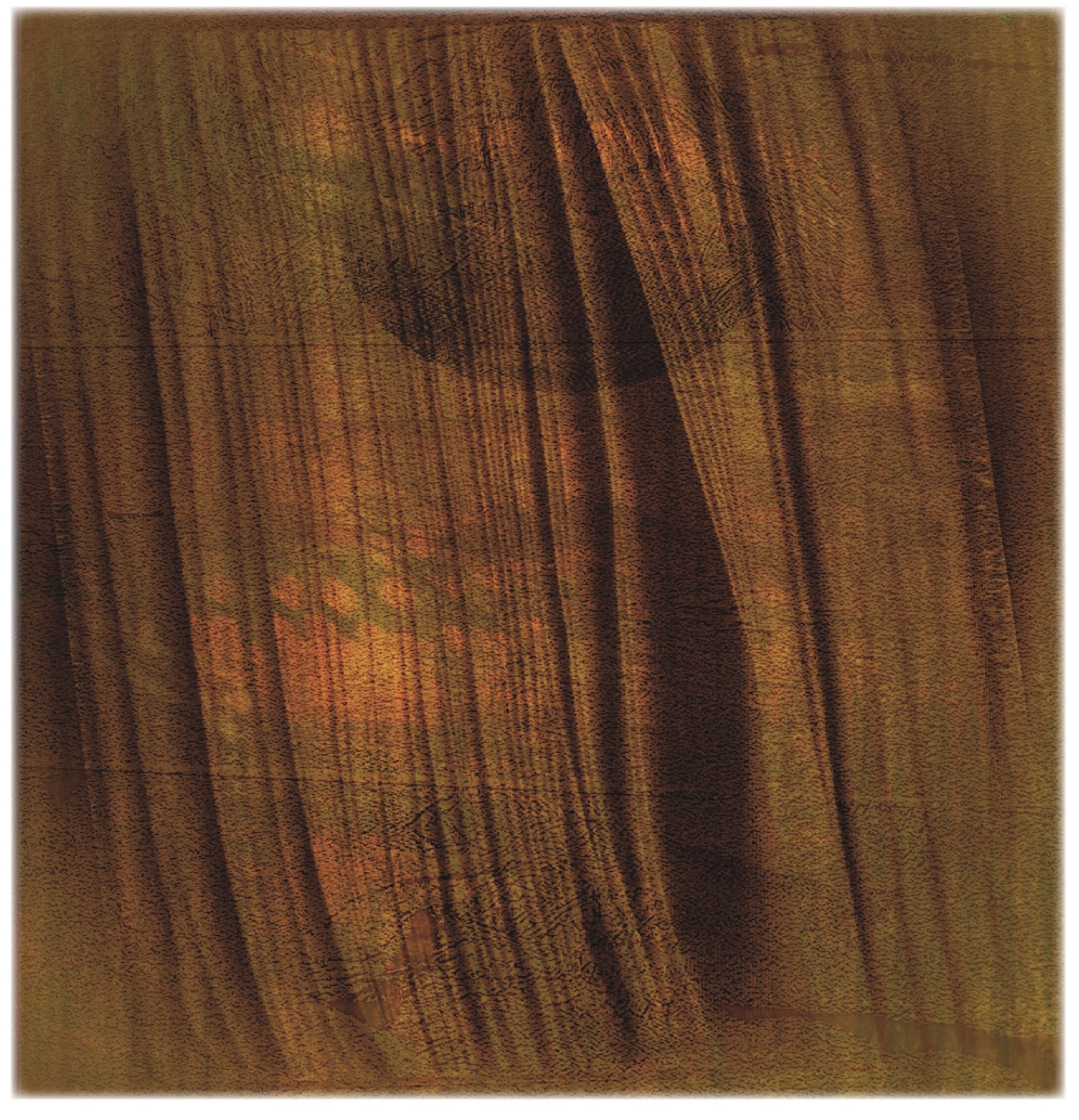
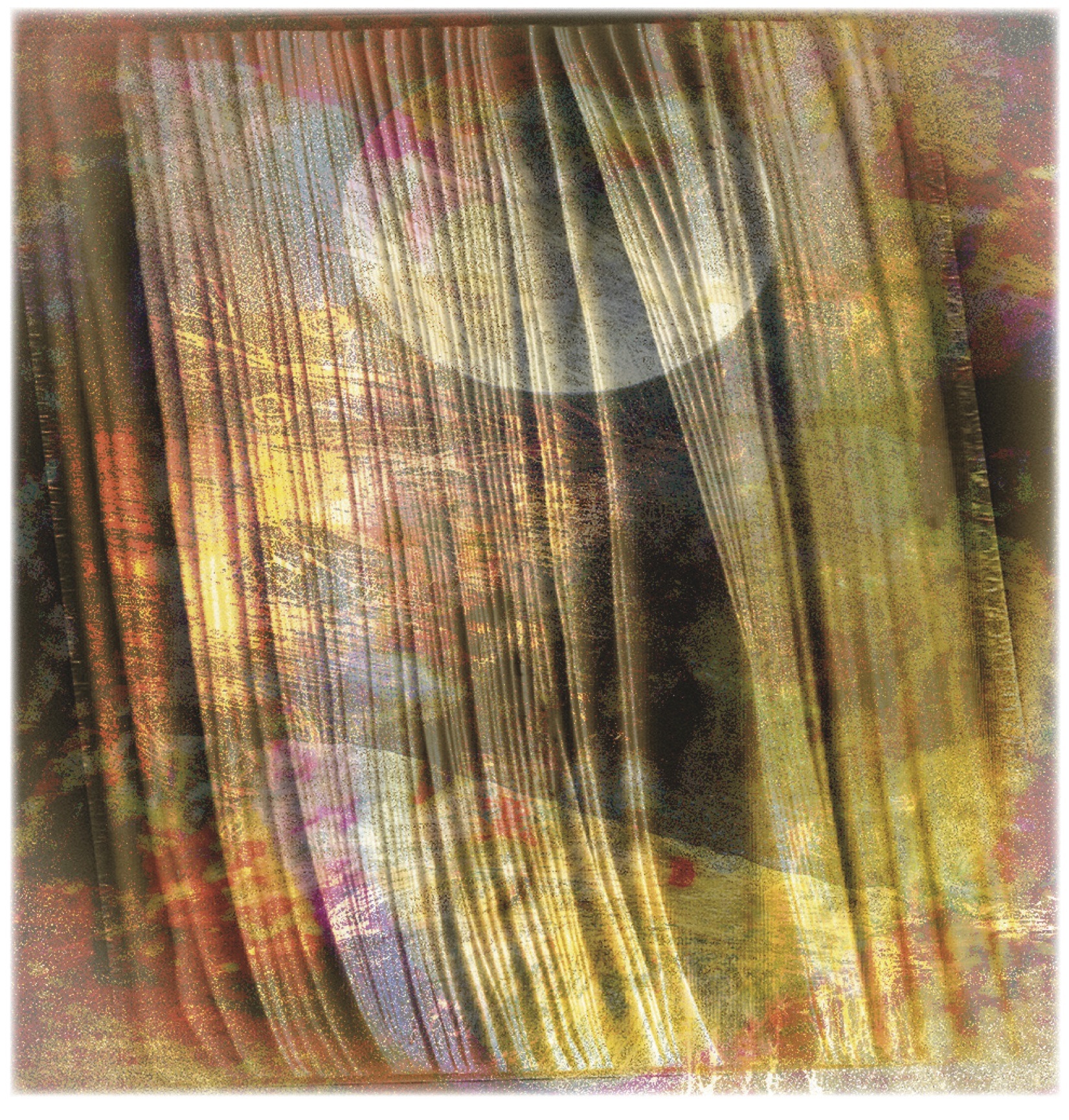
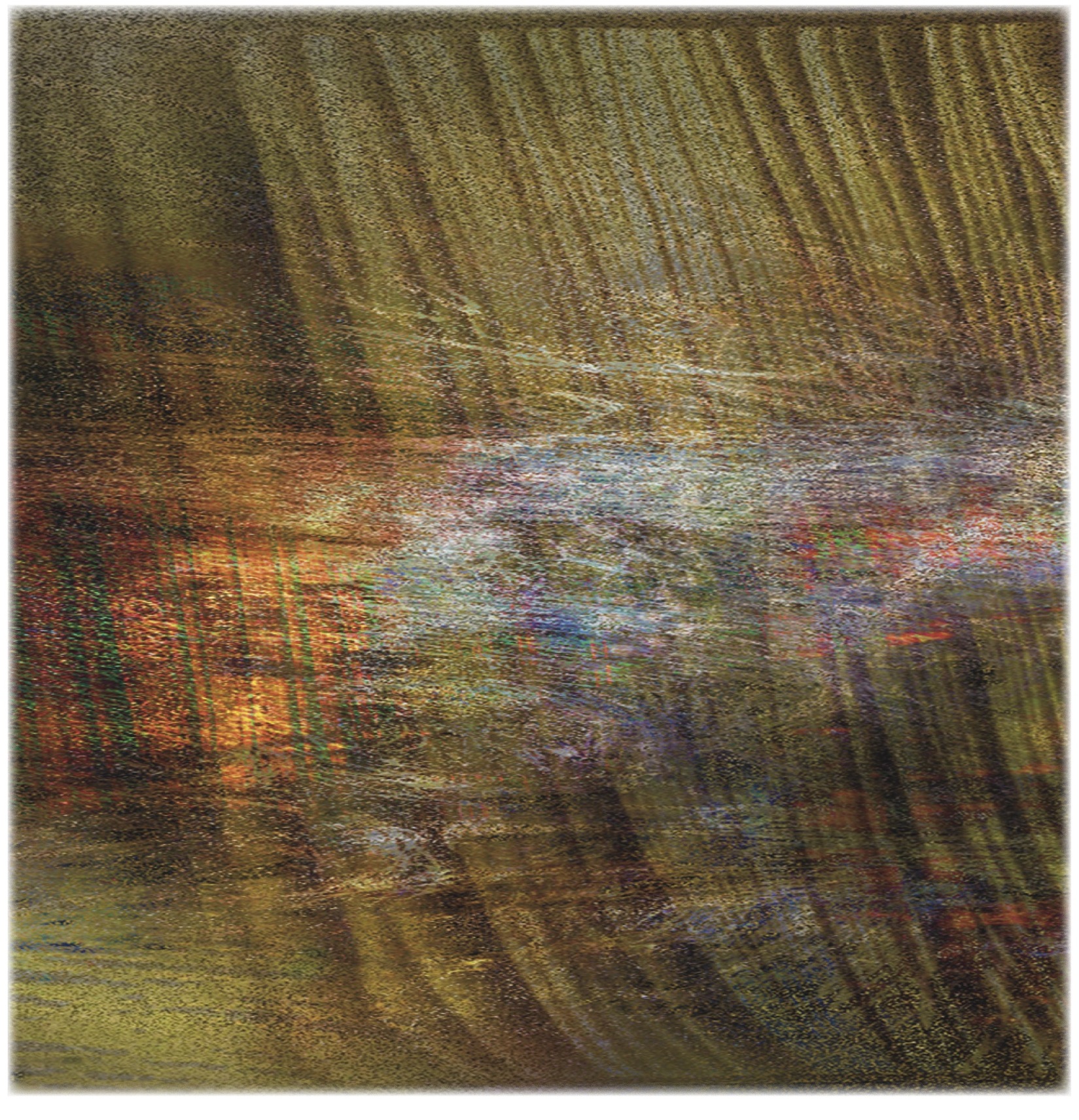
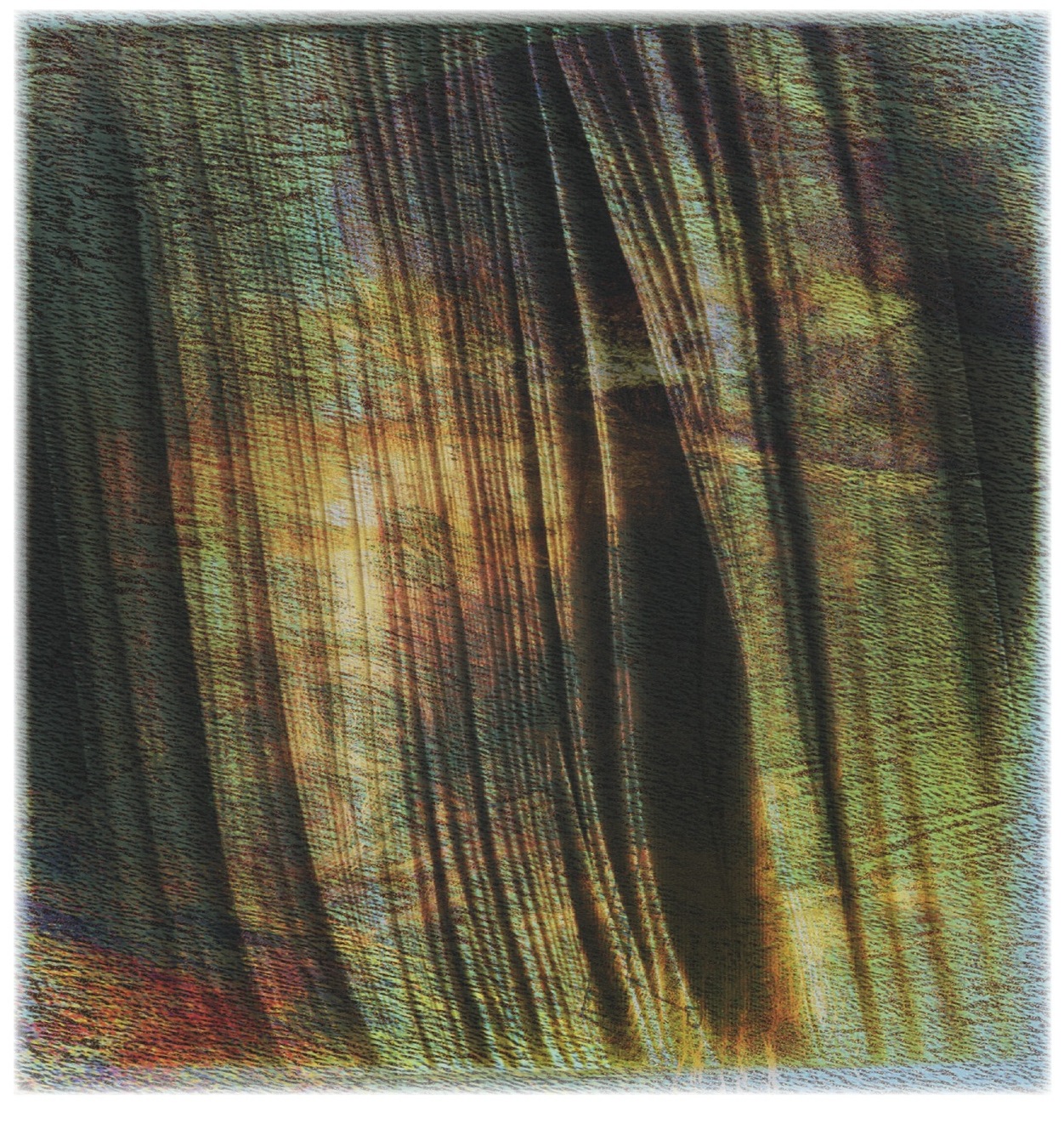
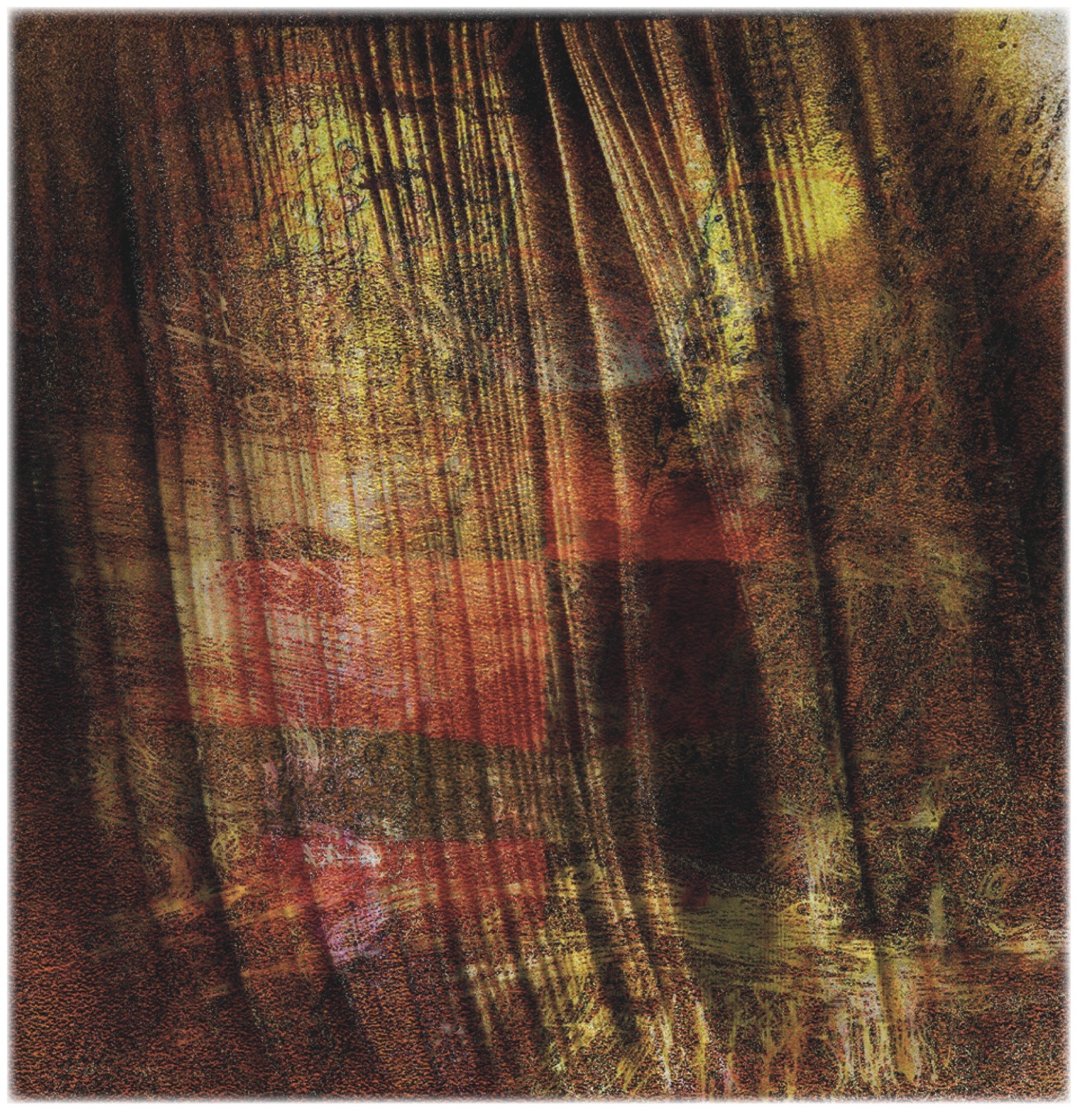
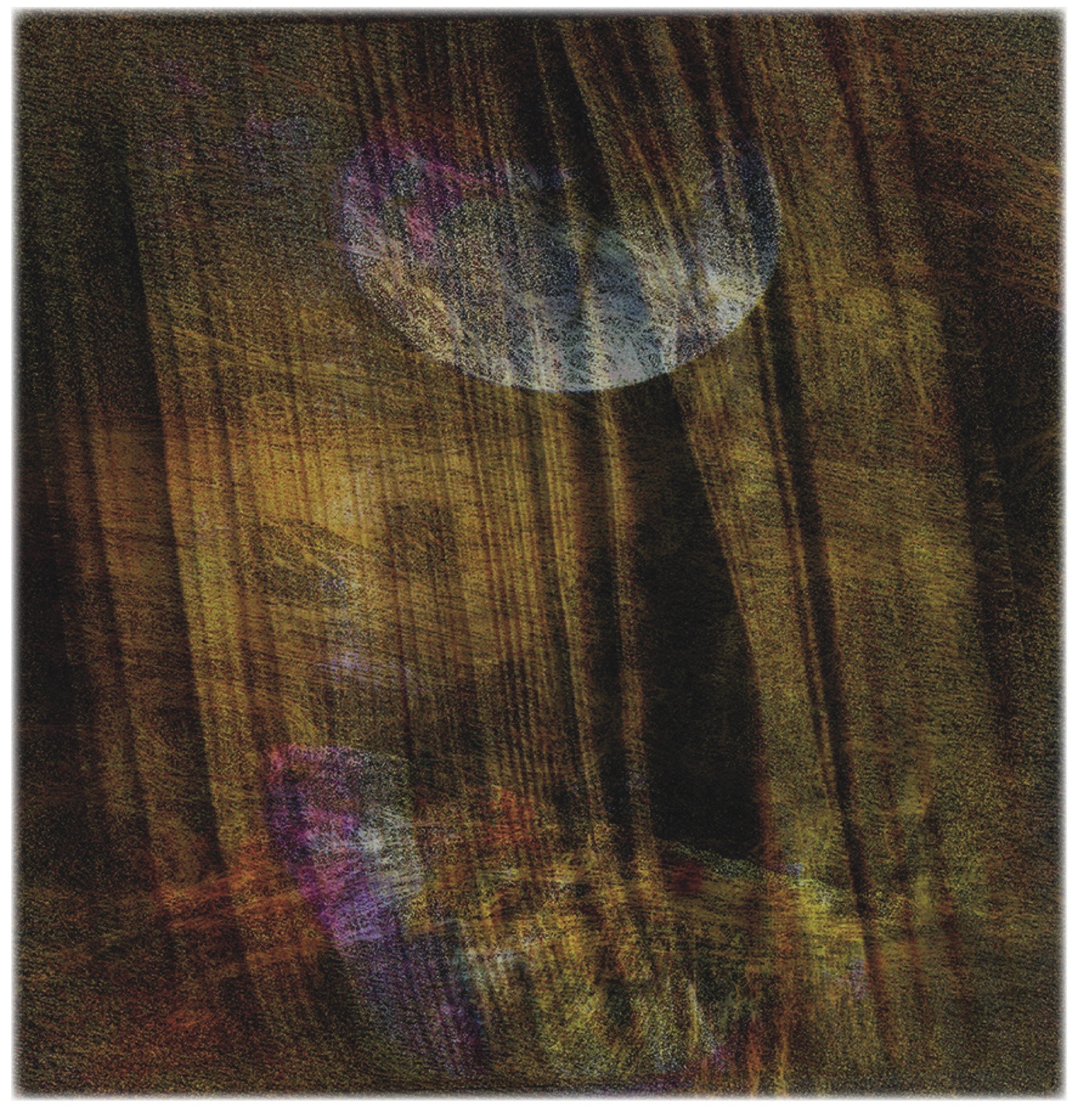
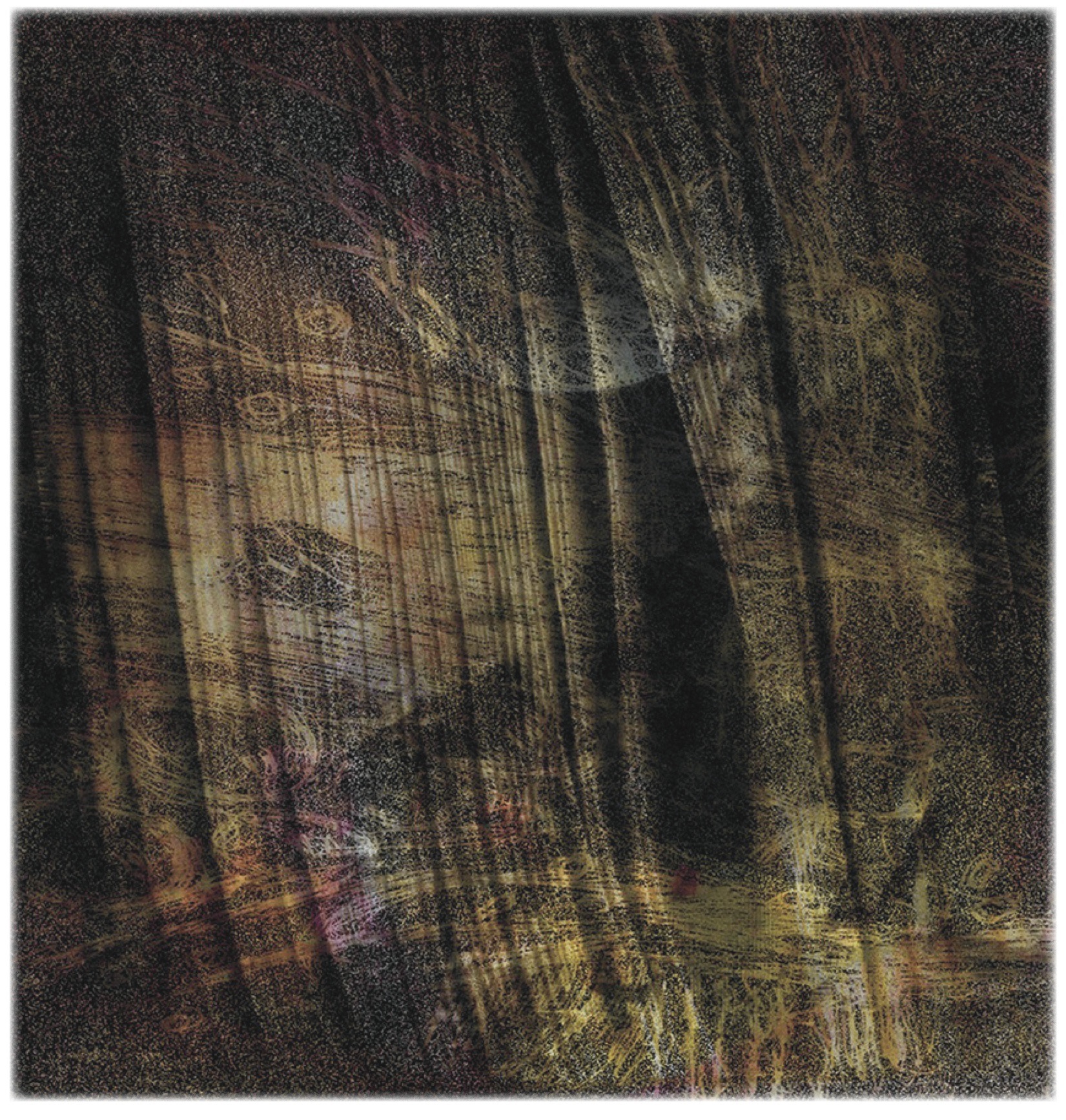
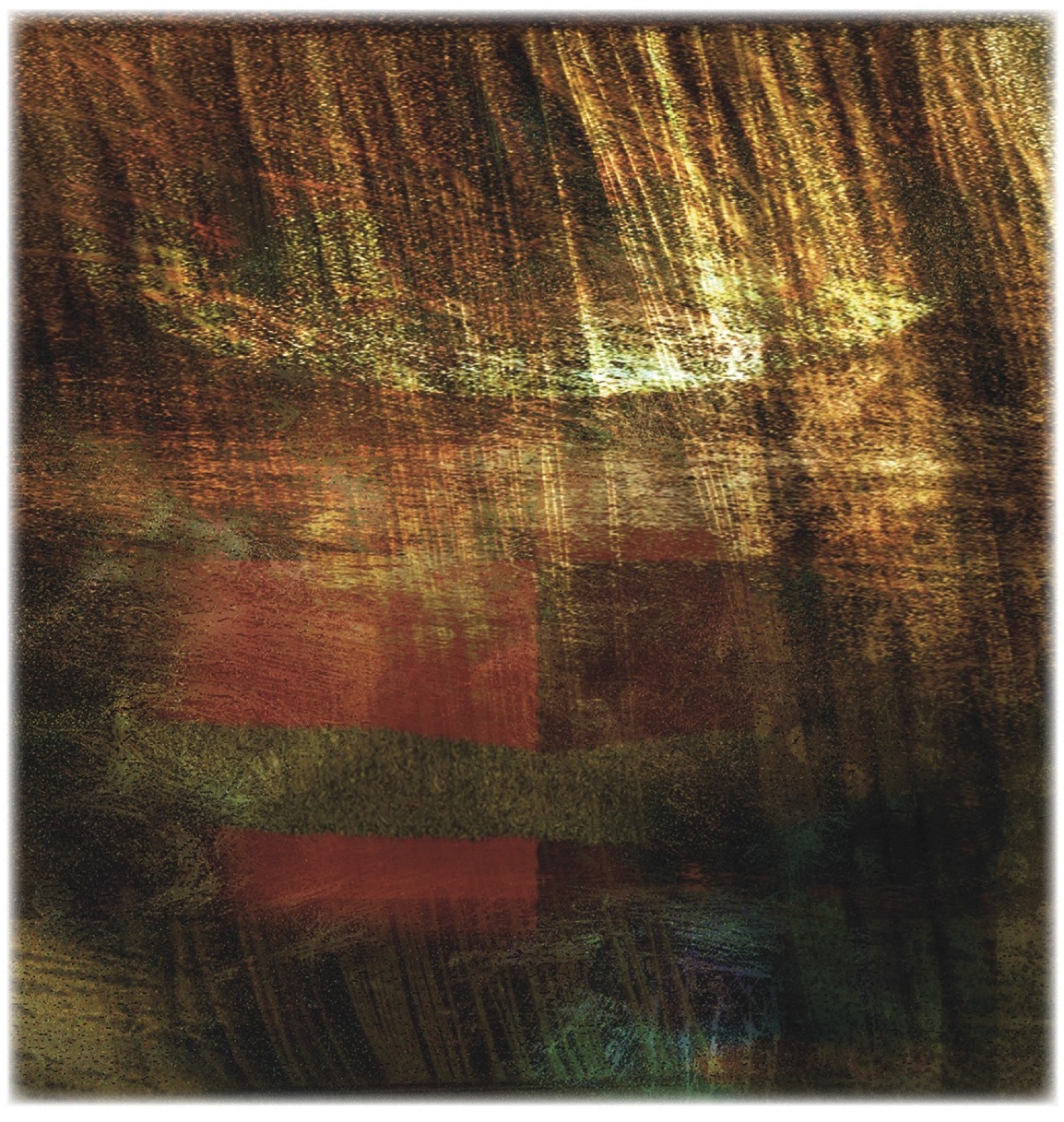
I was apprehensive about applying my images to a poem about Paul Klee. Klee is one of my favourite artists for many reasons. He used line masterfully. His sense of colour and texture was both magical and visceral. He was intellectual as well as full of child-like wonder. He experimented imaginatively while rigorously creating an expanding body of work. This poem by Eluard is like a prism capturing various realities & dimensions one might encounter in Klee’s art. I wanted to depict the sensibility & feel of the poem but I wasn’t sure how I felt about making images about somebody who made images. And I didn’t want to copy Klee in any sort of obvious manner. I shared this concern with Nancy Kline, the translator of this poem & many of the poems in Capital of Pain. Nancy suggested that one visual artist interpreting another might be an worthwhile experience yielding interesting results. And with this encouragement in mind I worked on composing images that hopefully come near the boundaries of ‘Klee-ism.’








 poemimage