wordless



 *
*
*
*
*
*

*
*
*
*
*
*
*
*
*
*
*
*
*
*
*
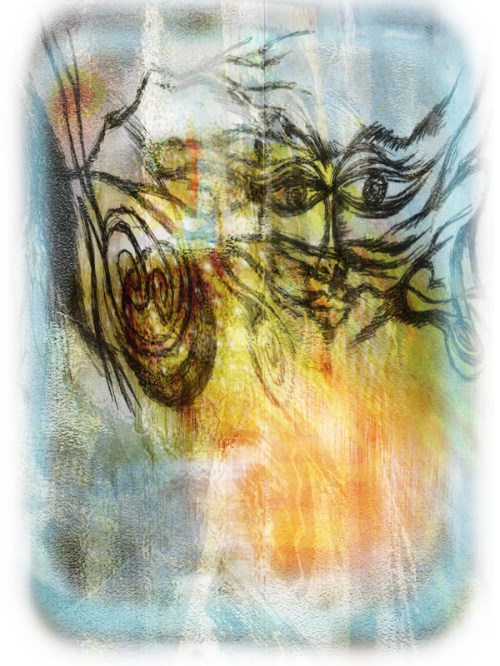
I am surrounded by Crown Island,
a weave of rock and sand; the waves
lap against me, sizzling white strings.
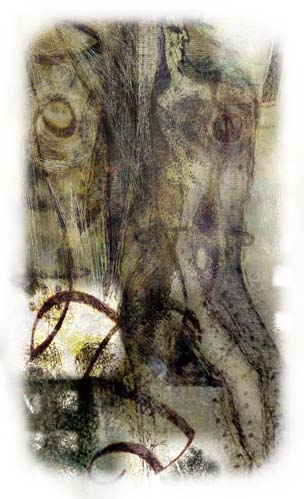
The planet is a little outraged girl
With its days without dolls and its eyes without pupils
Her bundle awaits on a strange train platform
Next to millions of sadnesses without reply
A train that will carry to the tomb her gloveless heart
A plucked nib on my chest, this is the world
Stone hole, empty gap
All the chalices converge on my blood
I am a fountain positioned to offer
But the wound passes through the mouth of the poem
Abandonment resists the sky
And rattles the soul of the earth.
Or perhaps, is God dead?
All abandoned
Abandoned
Why do they, my eyes, look at them inside?
And why do they inside these beings look at my eyes?
No one but the Absolute answers.
Crystal and steel I am, but everyone sees the sword
And no one could imagine my crystals in shards
I will resist in an armour of poetry
I will resist swinging from the murmur of the stars
I will resist perched on the peek of a blade of grass
Attached to this moon of snow sailing through the mists
Who stare at me from the branch of the tree, that they cradle.
I can still open my hands to Those about me
I will not die without seeing that in the bundle Christ sings
I will not die before the compass foretells an epiphany.
Cristina Castello is an Argentinian poet and journalist now living in France. Her work is committed to peace and beauty against all social injustices. Her poems are always a commitment to the dignity of life, beauty and freedom. They have been translated into several languages. Her books include, Soif, (L’Harmattan 2004); Orage, (Bod 2009),Ombre (Trames 2010) and “Le chant des sirènes” / “El canto de las sirenas” (Chemins de plume, 2012).
Pierre L’Abbe is a Toronto translator, publisher, ebook designer and author of both poetry and short story collections.


Blake’s ocean
A gas station
Black medicine
In a vial
You said I thought I was Jesus

You said I thought I was Jesus
In exile
We handled snakes
I was yours truly
I was yours truly
I swallowed a shot of ink
We faded

We faded
Vibrantly
In retrospect we were children
In retrospect we were children
At the carnival
Deep sea diving

Being deeply loved by someone
gives you strength
while loving someone deeply
gives you courage.

You left when I told you I was curious,
I never said that I was brave
So Long, Marianne, Leonard Cohen

Curving a slow corner
You pass through
your own
history
Your mirror image

Picking up speed
Speaking in code
Spirit animals
beneath the northern lights
drag what has fallen
Absorbed
and flung
simultaneously
A spherical puzzle
delivered you
Does the wind agree
***
I was reflecting on personal things with this post. Changes, new directions, letting the past go, that sort of thing. There was no poem to begin with simply ideas & words I’ve been thinking about.
***
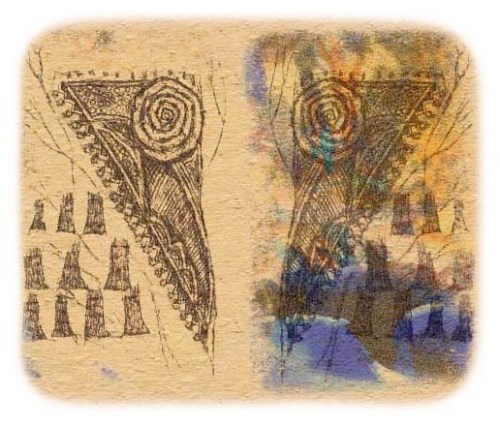
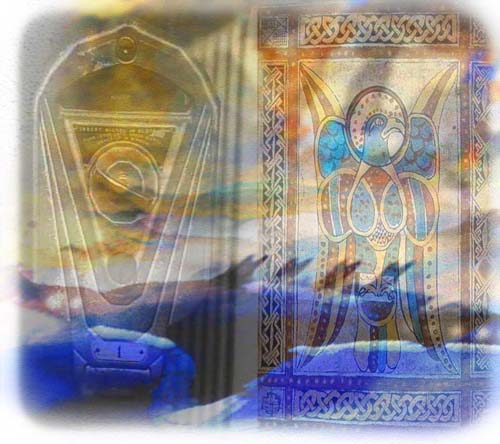
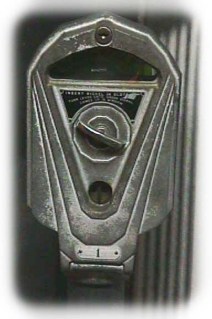
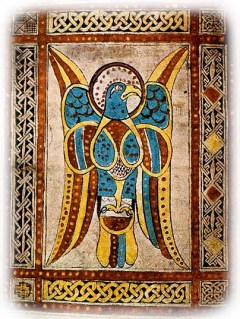
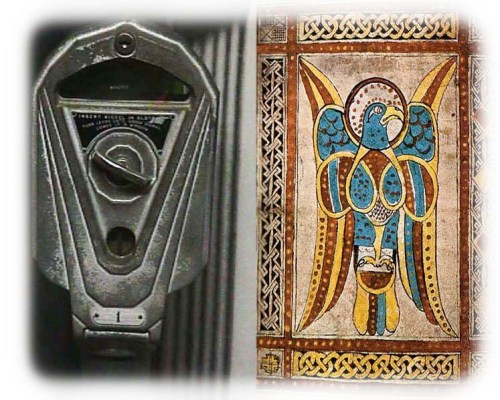
My attraction to twinning these two images was in discovering similar design motifs. A centre circular repetition. The lines on the sides of the meter resembling folded wings. The art deco, industrial perfect for a prison design of the meter contrasted with the wild bird hemmed in by a border & religious orthodoxy.
Although I suspect the early illuminators of manuscripts had druidic sensibilities and conveyed within their images the beauty of pagan relationships with the earth I can’t find anything similar to say about the parking meter. Although it does have a certain Dracula’s Castle type charm.
The parking meter imposed order upon free space. We might even say ‘wild’ spaces occurring in a common setting if we want to draw an analogy with pagan spirituality being ‘tamed.’
***
The first parking meter in the United States was installed in 1935
(during the Great Depression & dust storms)
in Oklahoma City.
***
The Book of Dimma is an 8th century Irish illuminated manuscript now
housed in Trinity College, Dublin
featuring the symbol of an eagle
representing
John the Evangelist.
***

Petulant sun quarrels with crabbed sky

It probes, prods, sneaks
Through gaps in broken cloud,

Catches the crests of waves that roll
In deep swells across the estuary.
Gales lash the craggy headland
Pummel long-stemmed grass into submission;
Rain shards pierce weathered faces
While wrens search out the whin’s snug core.

It is midsummer’s day and Nature rages:
Brother Man, row back, row back,
Our world is not, is not, yours to destroy.

Mike Gallagher lives in splendid isolation in Lyreacrompane, County Kerry, Ireland. His collection ‘Stick on Stone’ is published by Revival Press.
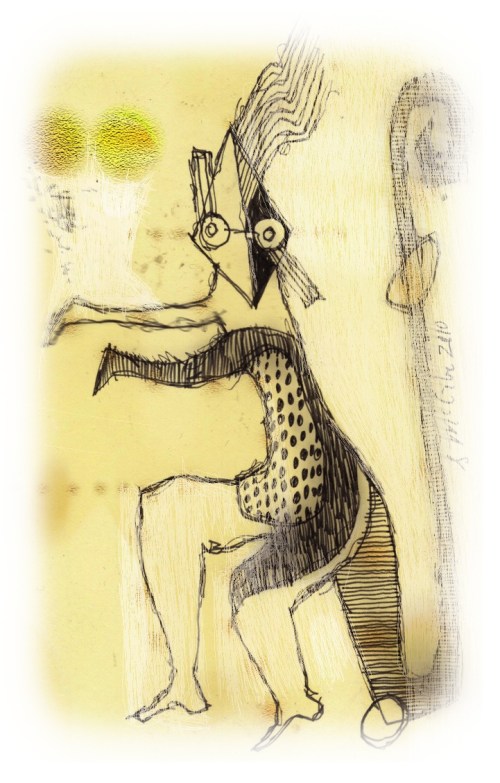
For she, whose parts maintainde a perfect musique,
Whose beautie shin’de more then the blushing morning,
Who much did passe in state the stately mountaines,
in straightnes past the Cedars of the forrests,
Hath cast me wretch into eternall evening,
By taking her two Sunnes from these dark vallies.
Or to approach this romantic doldrum from another angle:
Hath cast me into a perfect musique…


Your love
Should never be offered to the mouth of a stranger,

Only to someone who has the valor and daring
To cut pieces of their soul off with a knife
Then weave them into a blanket
To protect you.
Hafiz (or Hafez) a Persian poet: 1325 – 1390.
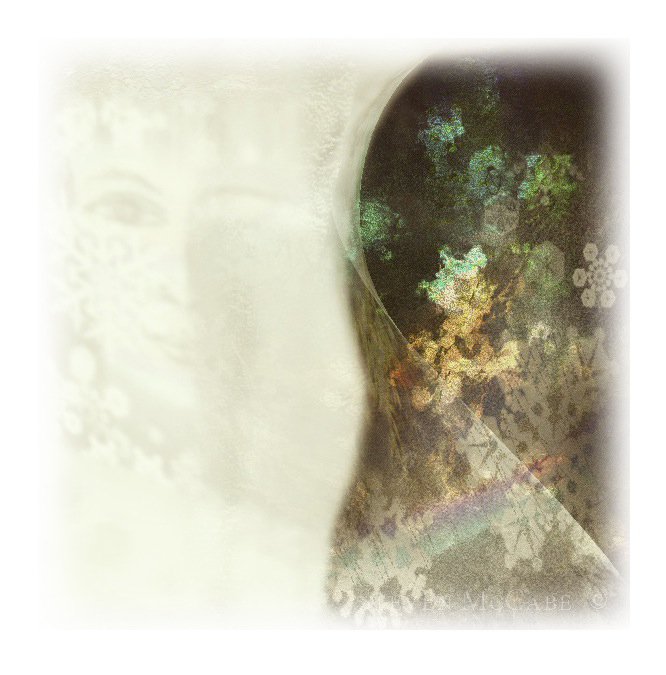
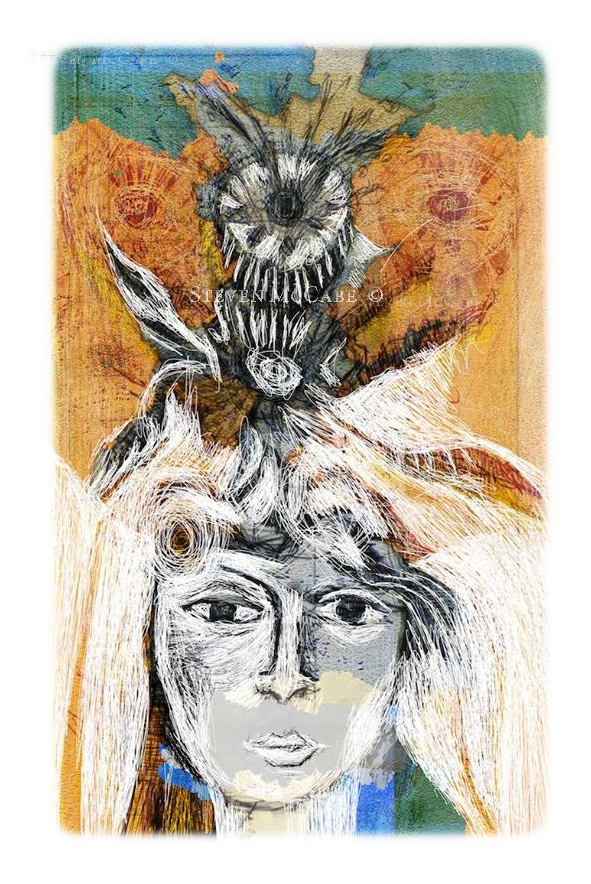
I find the vivid imagery in his poem, in a sense, circular.
Which explains my use of repeated images.
While addressing his echo across the centuries.
Physics again standing on its head
Physicists discovering an upside – down world


The elementary particles comprising stars can leap
It seems
Across time (if there really is time) reappearing
And appearing in numerous locations at once
The simultaneous stars stretching across infinity
Are one and the same
Projections of one star


One star only we see here and there
As if altering as if shadowing our days and years
With a spectacularly aloof performance
Like the lover
You just can’t forget


Previously published in my fourth book of poetry Hierarchy of Loss (Ekstasis Editions 2007)

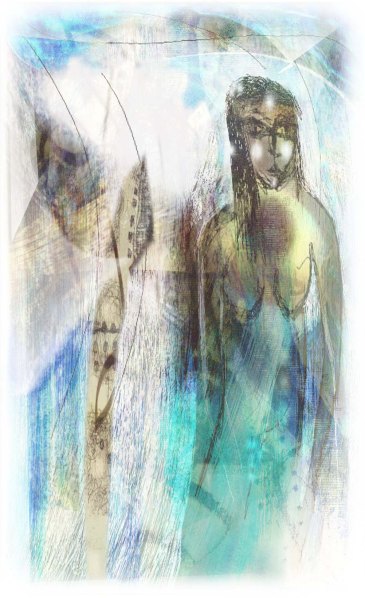
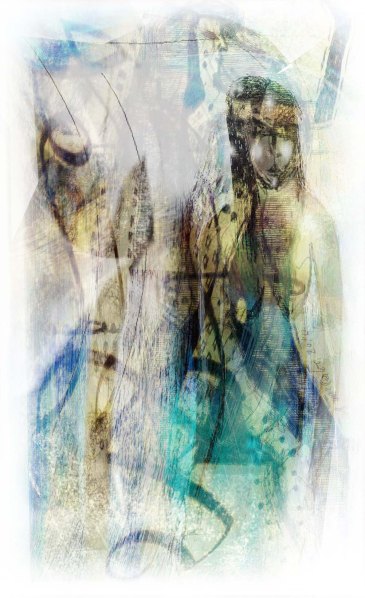
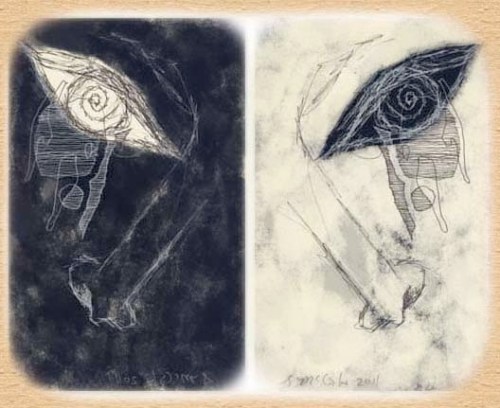
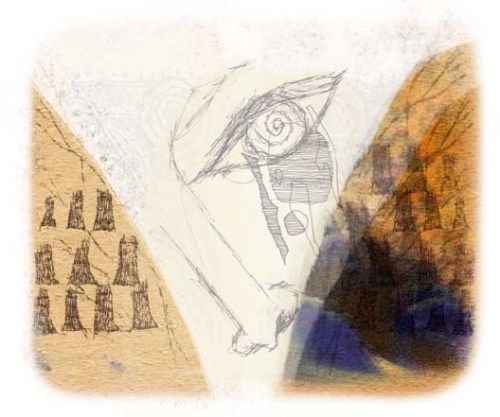
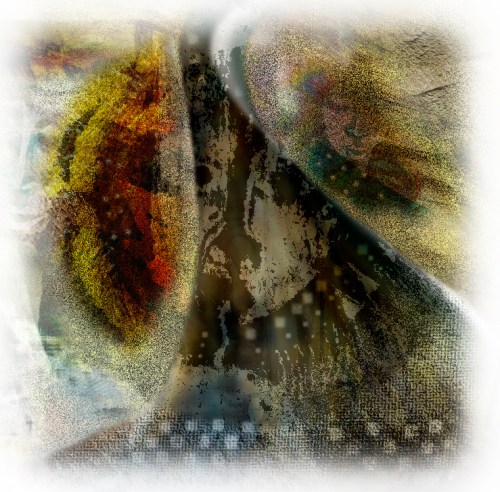
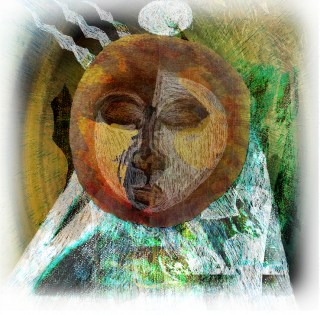
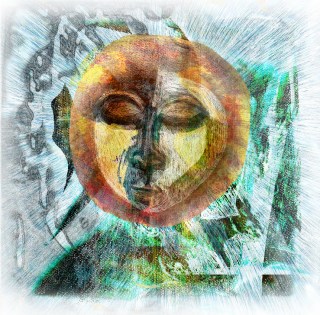
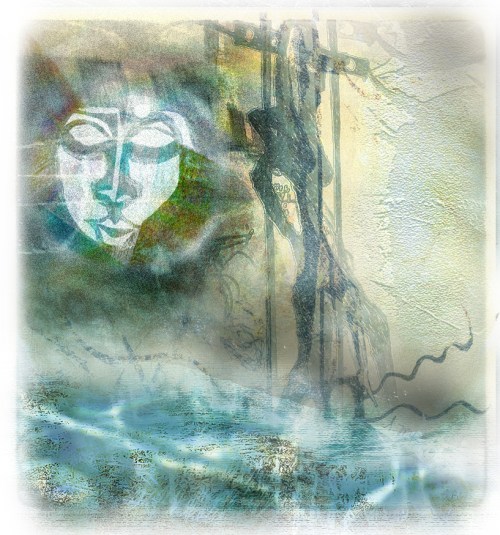
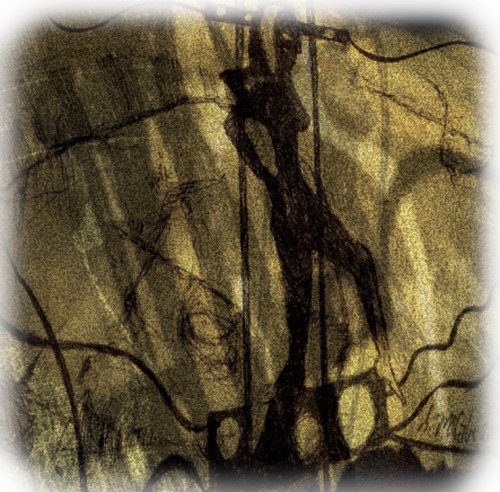
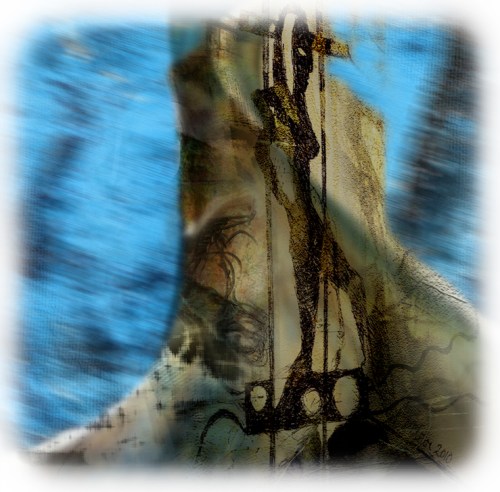
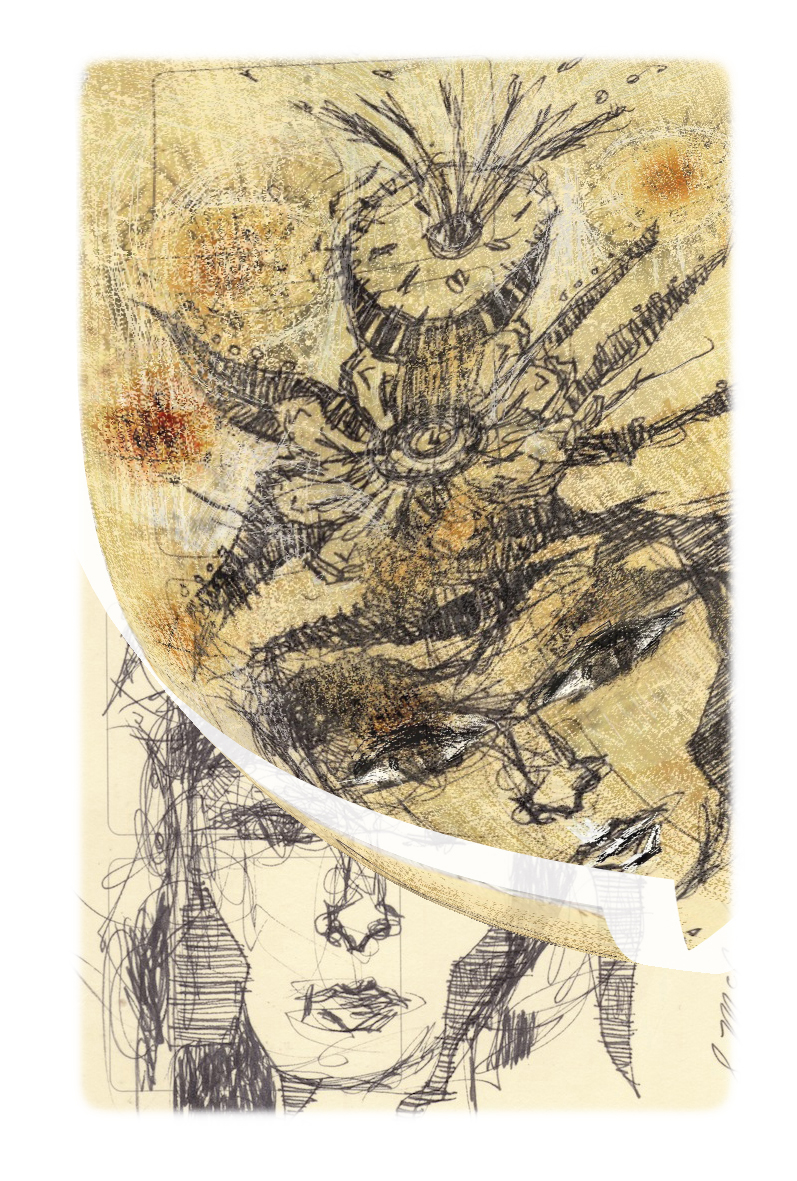
Digital art based on an ink sketch in my moleskin sketchbook.
 poemimage