poemimage

The visual & the poetic.

Category: Poetic & Visual Narrative

Mizzle «Garúa» by Cristina Castello (Translated by Pierre L’Abbé)

cc324nnoonnoo

I immigrated to the Earth draped in silence
Written on a reflection, a path to the word
I brought my fertile voice, my thornless offering,
a calm mizzle in the depth of the eyes

nnoonnoo24cc4

I found a shelter of swamp and nettles
A Power that ignited the blood of children,
I saw men like wolves, I saw angel wolves
And a brackish deluge of moribund dreams
99qqwax99

Each day, more beings broken and destroyed
Cut to size, torn up, broken, killed
While Goya, Beethoven and Balzac
Affirm that life is reinforced in each Being
qqwaxcc5starfield copy

An immigrant in the potent kernel of art
I curse the cemeteries and the ashes, and I remain
I remain until the foliage of men
Nurtures the roots and reinvents the world

starfield copy

Cristina Castello is an Argentinian poet and journalist now living in France. Her work is committed to peace and beauty against all social injustices. Her poems are always a commitment to the dignity of life, beauty and freedom. They have been translated into several languages. Her books include, Soif, (L’Harmattan 2004); Orage, (Bod 2009),Ombre (Trames 2010) and “Le chant des sirènes” / “El canto de las sirenas” (Chemins de plume, 2012).
vvvovo

Translated by Pierre L’Abbé from the Spanish original and from the French translation of Pedro Vianna

vvvovo

Pierre L’Abbe is a Toronto translator, publisher, ebook designer and author of both poetry and short story collections.

cc63 detail 1cc6new detail 3

Lost by Chris Pannell

aabb
Every street was Italian

the inks on my map blotched and ran

the motorways rose and fell like roller coasters

singing choruses from I Pagliacci.

German and English signs

had been broken and tossed aside.

Gargoyles on buildings dressed in suits

money managers amok

commandeered red double-deck buses from

their streetcar tracks.

efg
I was driving a taxi full of hit-men

who were expecting me to get them quickly to

their destination

and to avoid the carabinieri.

xy

Chris Pannell’s latest poetry book is A Nervous City (Wolsak and Wynn, 2013). This title recently won the Kerry Schooley Book Award from the Hamilton Arts Council. In 2010, his book Drive won the Acorn-Plantos People’s Poetry Prize and the Arts Hamilton Poetry Book of the Year.

abc

From 1993 to 2005 he ran the new writing workshop and published two anthologies of work by that group.

qr

He has a book of poetry forthcoming in 2016 called How We Came to Pass. He is a former board member of the gritLIT Writers Festival and a former DARTS bus driver. He hosts and helps organize the monthly Hamilton reading series Lit Live.

pqrs

Distance Swimming

circle

In her mirror

detail with green ball

She feels illumined by an accelerating process

blur all

Initiated by the 20th Century.

watery

A darkening fog.

the heroic ball and glove

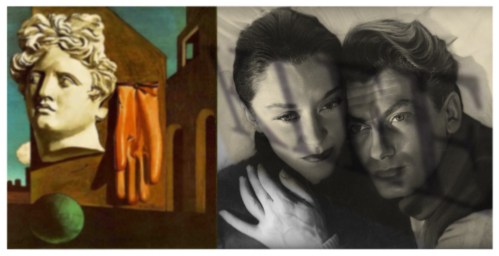
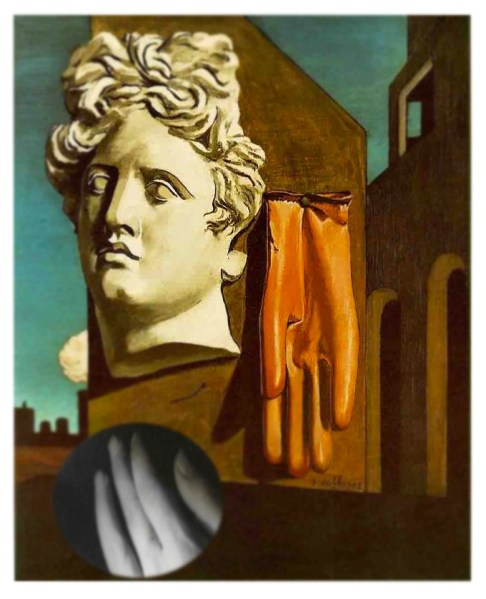
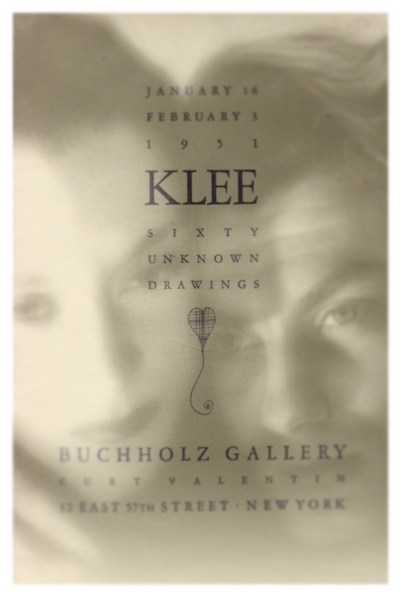
Klee-song,

hand

Cocteau,

newly

de Chirico,

love

Arise from her in swirling, serpentine eddies. A ventriloquist.

angles

She unties a boat on the shore. The underground river.

final circle

Languages of illumining clarity speed into each other like blood in water,

watery

As vast and translucent as the Northern Lights.

final circle

 & For reasons both utilitarian and mythopoeic

watery

The face in the mirror anticipates leaping.

final circle

& Distance swimming through shadow-lands,

watery

Beneath the precipice of shallow, atomic time,

final circle

Within and without darkened chambers & coincidentally

watery

 Light reflecting upon ancient vials.

final circle

 & Our spines an unbroken chain of receptor cauldrons.
watery

& Her gift. The mirror.

zoom

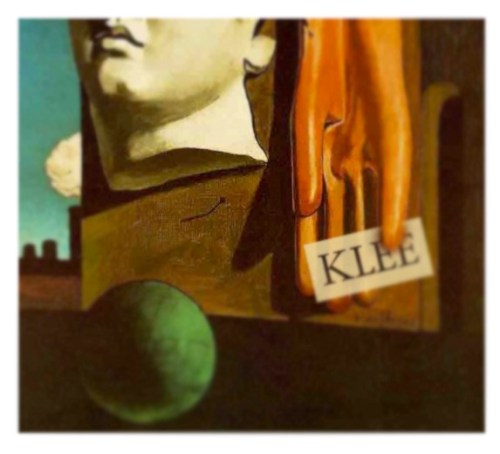
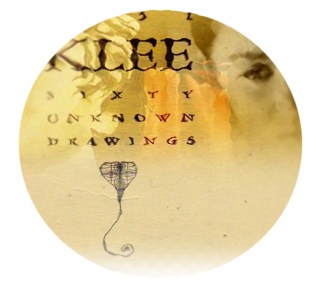
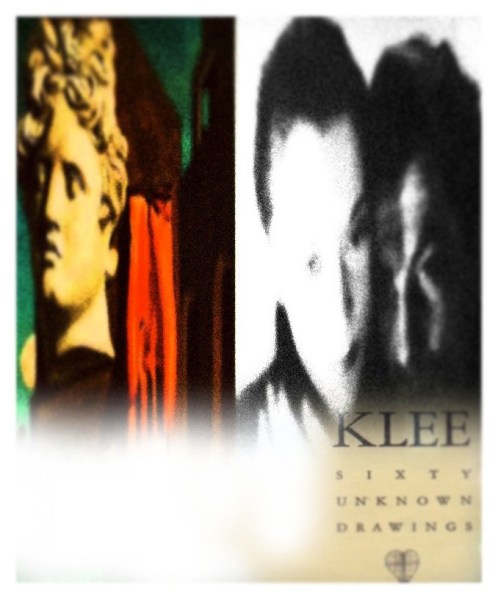
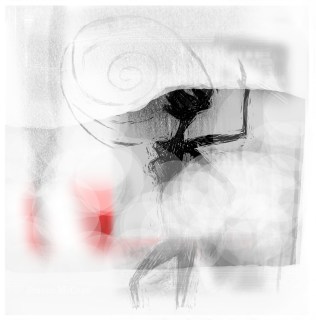
Paul Klee catalogue (1951), Giorgio de Chirico painting ‘Song of Love’ (1914), photographic still from Jean Cocteau’s ‘Orphee’ (1950), pictured: Jean Marais  and Maria Casarès

Mémoire by Arthur Rimbaud

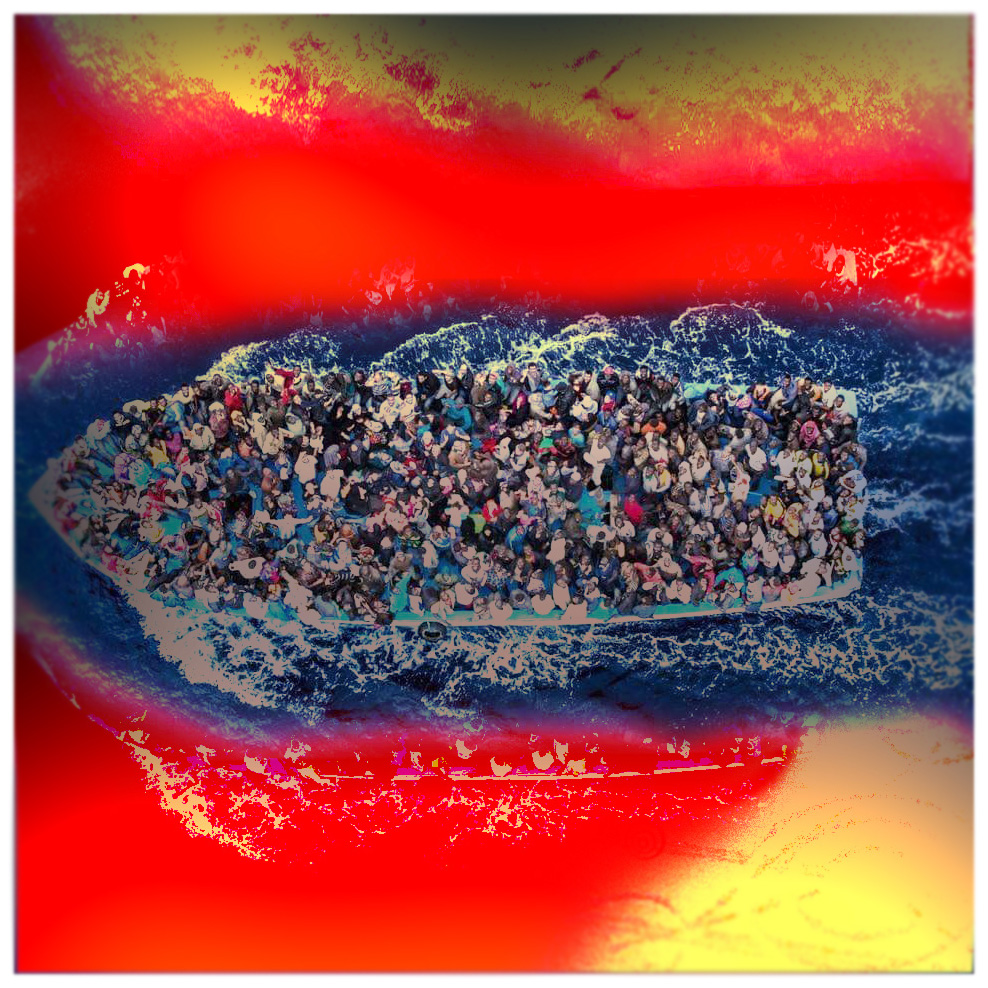
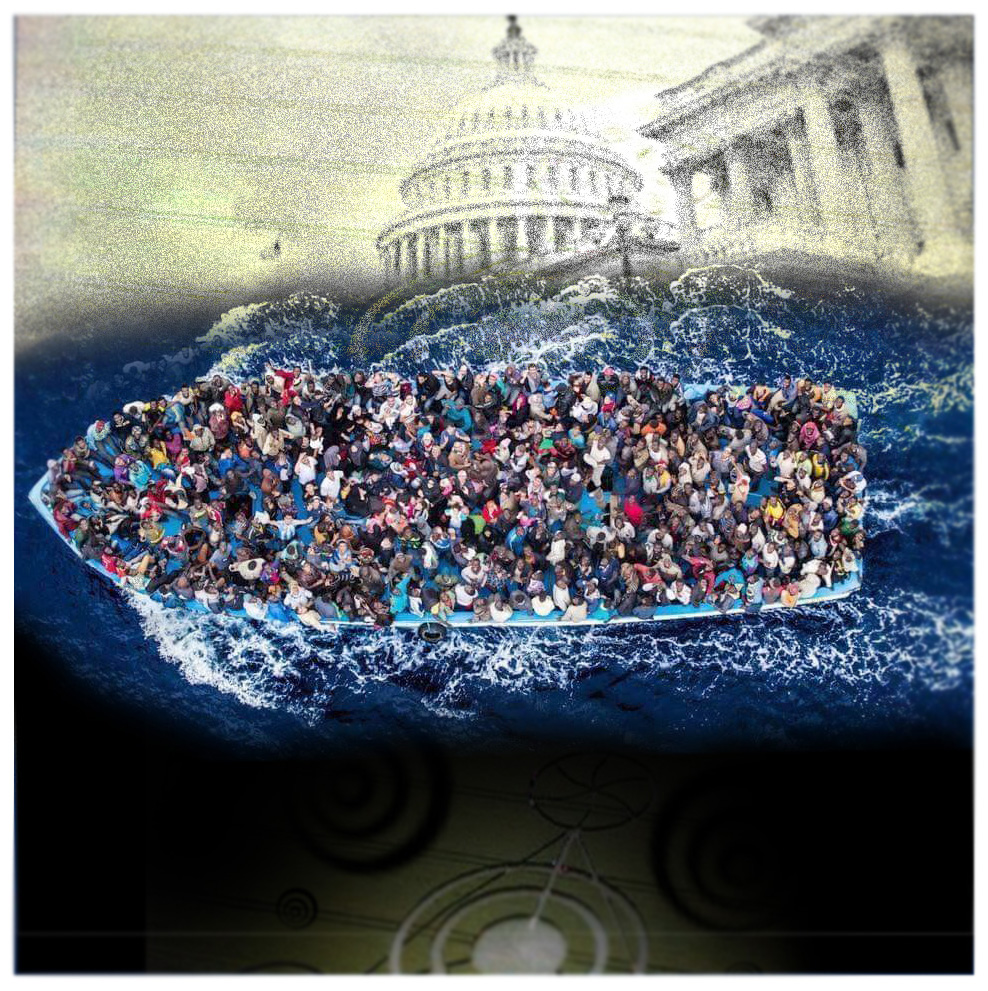
refugee 13

I

Clear water, like the salt of childhood tears:
The white of women’s bodies opened in the sun,
And truth, beyond walls or the silk oriflammes, won
Out with the valour of a maid pure in her years.

The frolic of angels in their moving blaze of gold,
Imponderable arms sparkling with the coolness of the grass,
And the blues of Heaven taking up their beds to pass
Under the canopy of shade into the arch and hill’s fold.

refugee 3refugee 15

II

The stones, under the water, extend as in a clear broth,
And depths, freckled in prepared beds of pale gold,
And frocks of girls, loosely faded, as green as mould,
And willows, and hopping birds, unfettered, woven in the day’s cloth.

Round as the eyelid, with the warmth of a gold Louis,
Blooms the marsh marigold, fresh in its wedding vows.
The mirror at prompt noon, jealous of the day’s drouse
Tarnishes into a sphere, heat-flecked and dear to us.

refugee 10refugee 5

III

Too upright is Madam in the meadow’s rippled glass.
The sons of toil are in the cotton-fields falling as a white cloud.
In her fingers she twirls her parasol, tramples it, too proud
To watch her children reading in the flowered grass

Their books in red morocco. Of what they think or dream —
As on all paths a thousand angels flare upon the day —
Of hopes lost in high mountains, she cannot follow; her way
Is overcast and cold, as is the shadowed stream.

refugee 12refugee 11

IV

Regret of arms satiated and celibate,
Sainted, straight white beds on moonlit April nights,
And the tear-wet joy falling on abandoned river sites,
And the rotting evenings in August that these germinate.

Under walls let her weep now: the winds possess
Only the high poplars, their motions tremulously sown.
Underneath in lead, unglinting, weighed with stone,
An old dredger labours, the small boat motionless.

refugee 15refugee 4

V

Flotsam, plaything of these waters that nothing hinders,
A boat beholden to stillness, and with arms too short,
And flowers blue or yellow, not then ever sought,
And breath now spread upon a water dull as cinders.

And for all that there are willows, powder, the plume of blood
That would drag out roses from reedbeds of time’s jaws,
The boat stays here, unmoving, and the chain draws
On the eye, water-heavy and deep in the unbanked mud.

refugee 13

Translation C. John Holcombe

http://www.textetc.com/workshop/wt-rimbaud-1.html

refugee 3

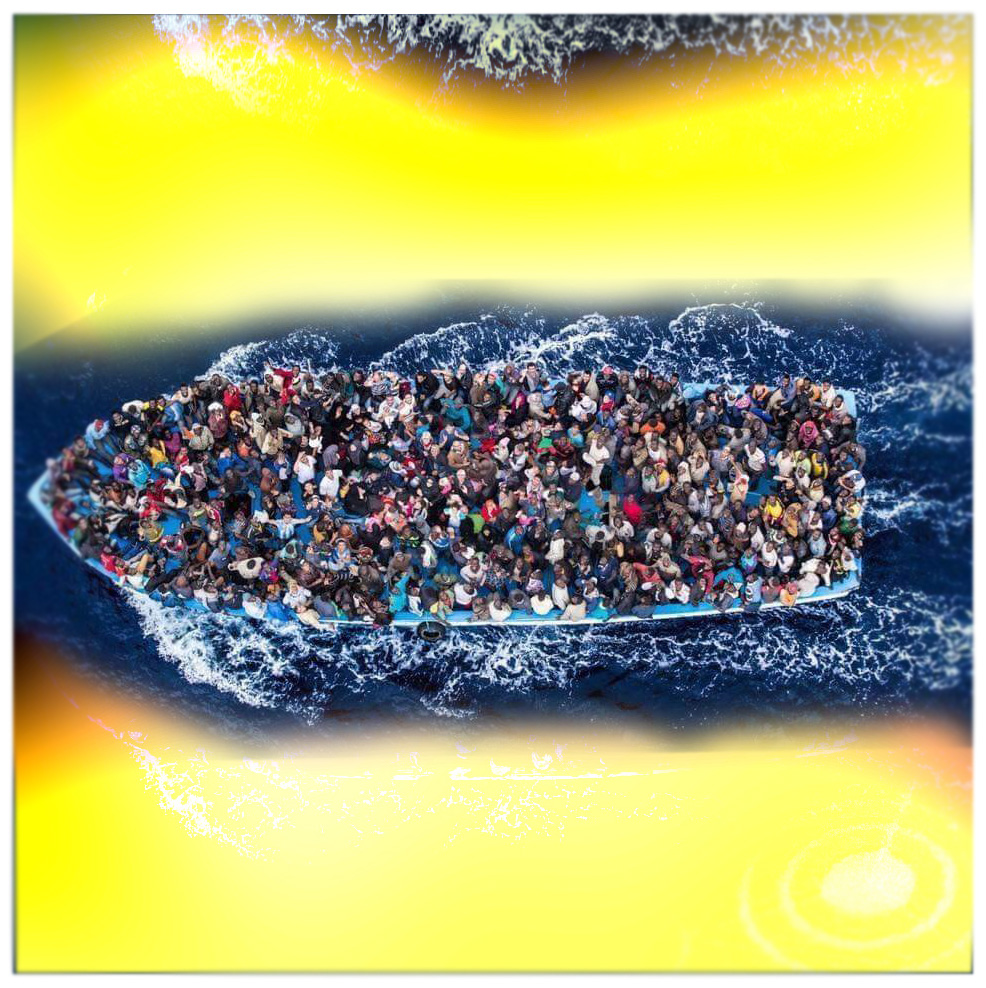
 Original photo credit: Massimo Sestini

Paul Klee and Ferdinand the Bull

 final ferdinand and klee image

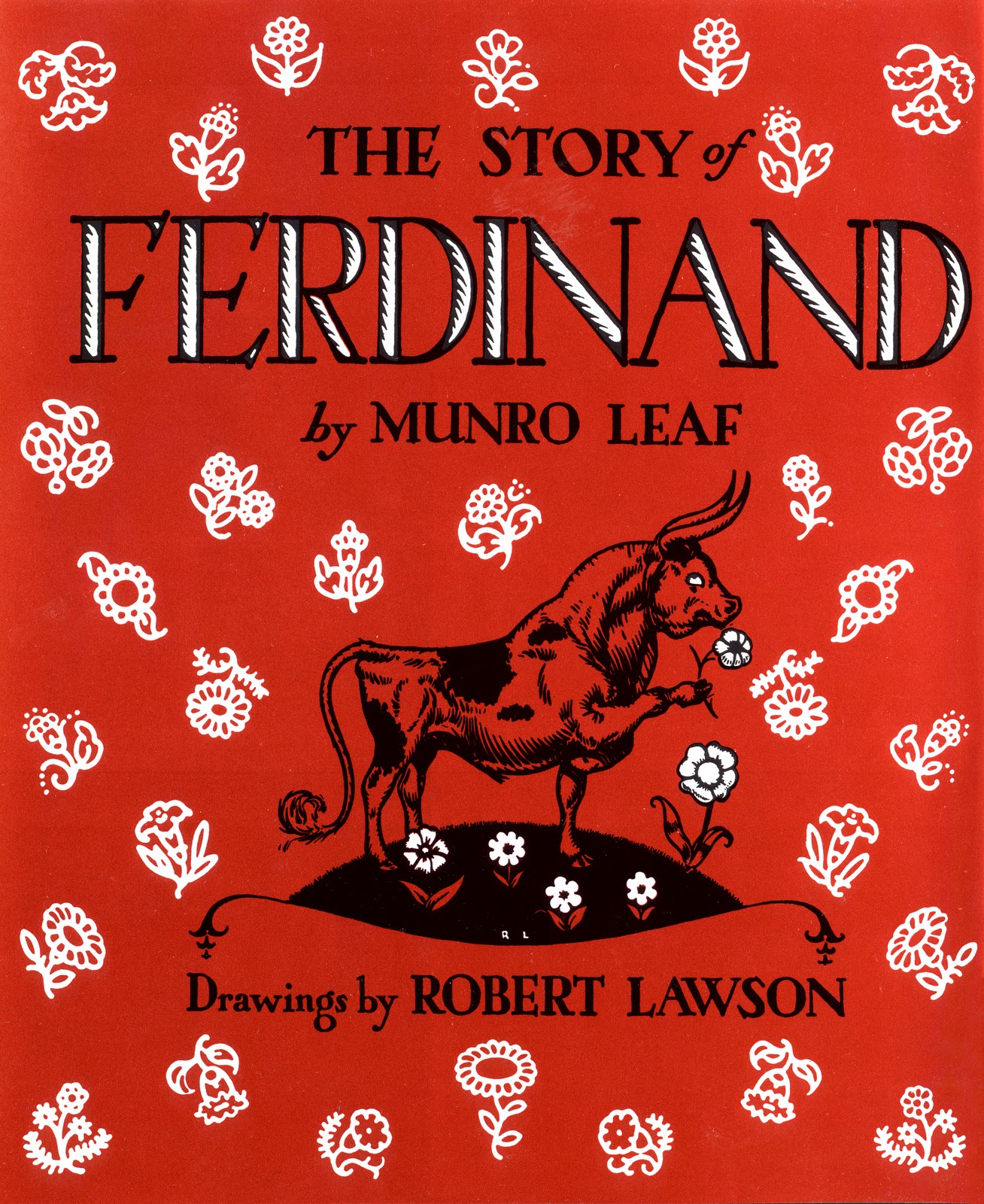
Ferdinand the Bull only wanted to smell the flowers.

the-story-of-ferdinand-book-cover

My favourite book as a child. I found the story captivating and the ink drawings mesmerizing. I remember my mother in the sun-drenched living room where I would turn the pages over and over.

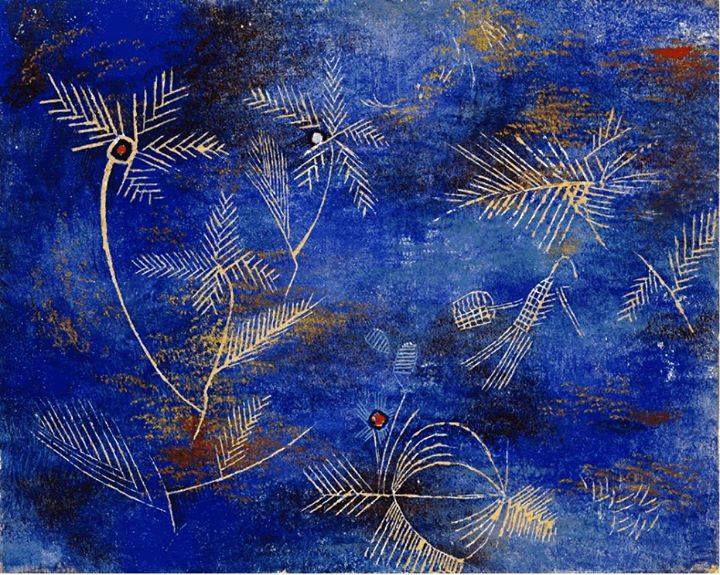
paul klee fairy tales

‘Fairy Tales’ by Paul Klee. Perhaps my favourite artist of all my favourites. Was Paul Klee so unlike Ferdinand? Flowers too cast shadows.

klee circle full

Georgia O’Keeffe: A Quote

shadowshadowquote 7

“Whether you succeed or not is irrelevant—there is no such thing.

faintpreordainedfaint
Making your unknown known is the important thing—

subtle

and keeping the unknown always beyond you…”

image blurcomplexity

Georgia O’Keeffe, in a letter, to Sherwood Anderson.

germanic mood

Photo of Georgia O’Keeffe by Alfred Stieglitz, 1918

iurquote 7

Ark

Adetail 10detail 3detail 7
Both on the material and the spiritual planes the ark symbolizes the power to preserve all things and to ensure their rebirth.

zzzzzz

Biologically speaking, it can be regarded as a symbol of the womb or of the heart, there being an obvious connection between these two organs.
C

The basic symbolism of the ark is the belief that the essences of the physical and spiritual life can be extracted and contained within a minute seed…

xx

until such time as a rebirth creates the conditions necessary for the re-emergence of these essences into external life.

DUntitled-13

The ark, during the cosmic parlay, floats on the waters of the lower ocean.

xyzdetail 5

The rainbow, in the realm of the ‘upper waters,’ is a sign of the restoration of the order which is preserved below in the ark.

EUntitled-13

Both figures together, being complementary, complete the circle of Oneness.
Ee

They therefore correspond to the two halves of the ancient symbol of the ‘world egg.’

r copy

As a symbol of the heart (or of the mind, or of thought) the image of the ark is similar to that of the drinking-vessel, so frequent in medieval mysticism.
Bdetail 3

from A Dictionary of Symbols by J.E. Cirlot

zzz

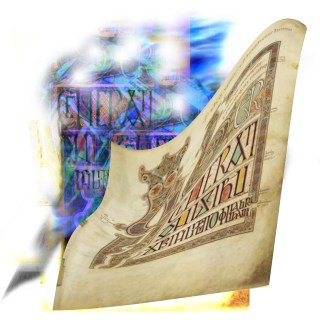
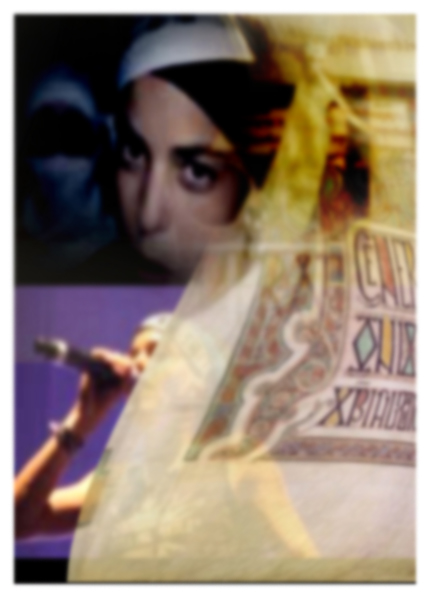
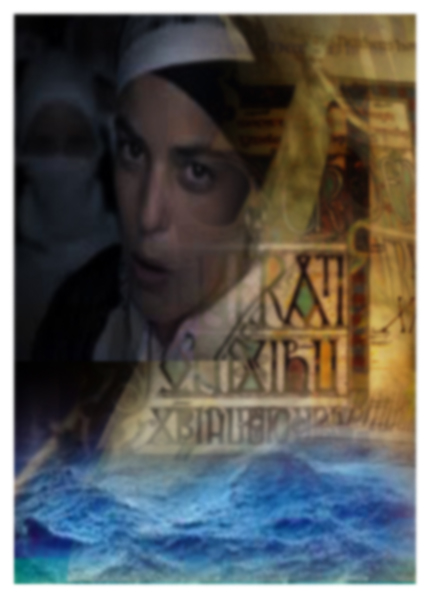
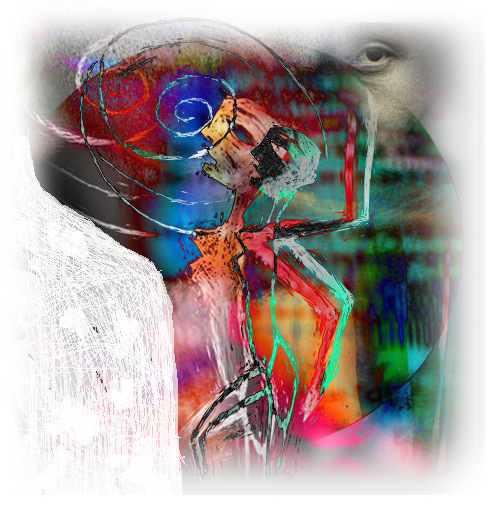
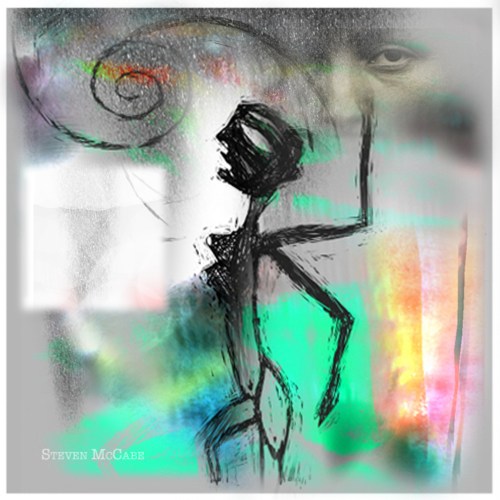
Images: Photographs of political hip-hop artist Keny Arkana in montage with a page from The Lindisfarne Gospels, an illuminated manuscript created around the year 700.

xyzxyzxyz

Constructing a Self-Referential Collage

self referential collage-1fadeoutfadeout

Moon shattering upon a highway her voice inside you.

2

Her voice inside you, a falling stone.

3faded

Her mountain stone an echo, your mouth erupting.

fish

Tattooed with Hittite song her skin barely visible, a windshield.

555

Her Hittite moon evaporating, condensing upon your windshield.

tinted

She confuses you while casting forth the vibrant song of singing birds.

888faded

Birdsong at work within you, within a song-stone breeze, erupting.

234

Her stone-sliding an echo.

sphere

Almost a whisper

final

Your voice evaporating & erupting, an engineering marvel.

2345

Lyrics on collage from ‘Just Like Tom Thumb’s Blues’  https://vimeo.com/113869969

fadedfadedfadeout


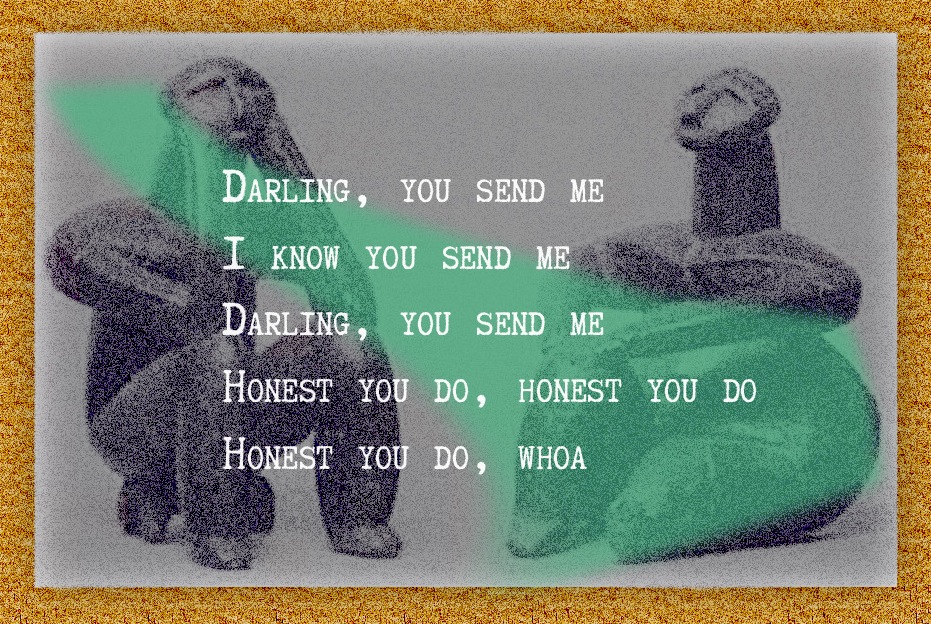
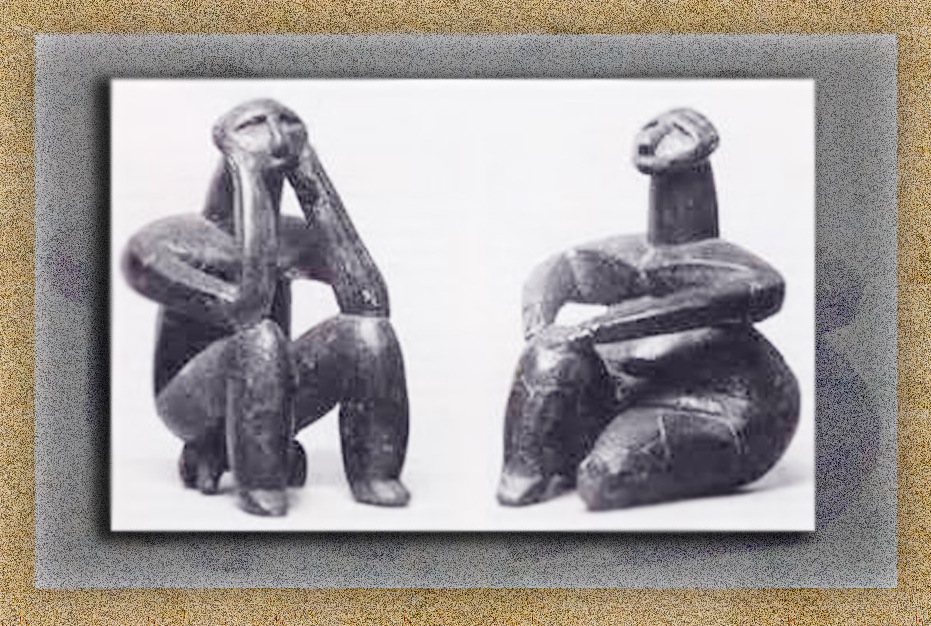
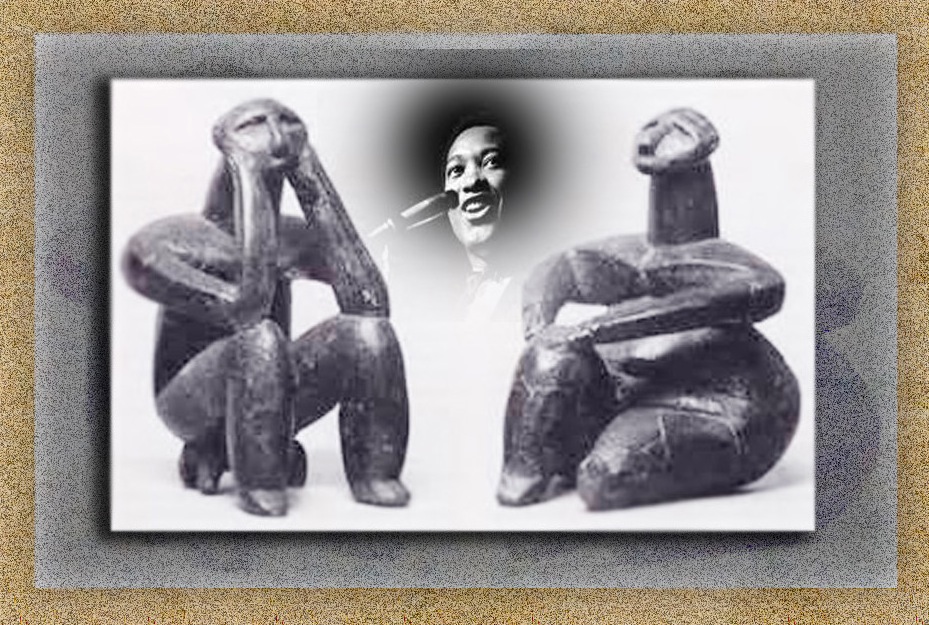
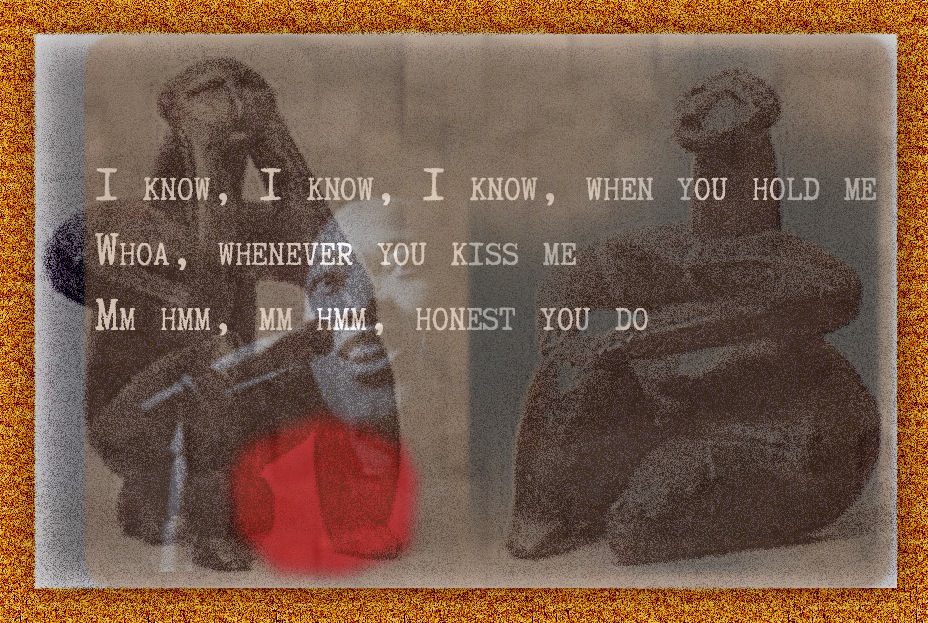
You Send Me by Sam Cooke (& the Hamangian Cubists)

APabloPicasso-Girl-with-Mandolin-Fanny-Tellier-1910PabloPicasso-Girl-with-Mandolin-Fanny-Tellier-1910X FINALPabloPicasso-Girl-with-Mandolin-Fanny-Tellier-1910

Although cubistic, these artworks pre-date Cubism (and Sam Cooke) by roughly 7,000 years. Hamangia culture is a Late Neolithic archaeological culture of Dobruja (Romania and Bulgaria) between the Danube and the Black Sea and Muntenia in the south.

With Sam CookePabloPicasso-Girl-with-Mandolin-Fanny-Tellier-1910

Cubist image: Pablo Picasso, Girl with a Mandolin (Fanny Tellier), late Spring, 1910

red

You Send Me by Sam Cooke: https://www.youtube.com/watch?v=kNco-e2CXuo

mic check
 I do not claim credit or copyright for original source material in this post.
sitting he

If You Decide

a

We need to learn an almost extinct language I will study with you.

e

We need to live among the people whose language is almost lost I will join you and also learn traditional survival skills.

c

To leave me for the shaman I will drive a stake through his medicine box, realize my grave error instantly, and escape, although barely.

d

To beckon and summon, seducing me with whispers that reach into my blood, I will return.

b

I must stand trial for my crimes against love and magic, I will escape, again.

fadeout

If you decide to hypnotize me while I sleep I will seal my heart against your vibrations and embrace the crazed dream of modernity. Because I am a fool. Weary of surviving on roots. Even the root of you. Even the root of me.

fadeout

If you decide I must seal my heart against the sounds you once made I will throw the window open a final time, upon your murmur coursing & drenched in starlight, intersected by a highway carrying the disappeared.

fadeout

If you decide to remain quiet I will train my ear to hear the sunlight falling.

fadeout

If you decide it is my duty to dig out the wooden stake I will return in the dead of night speaking an extinct language.

fadeout

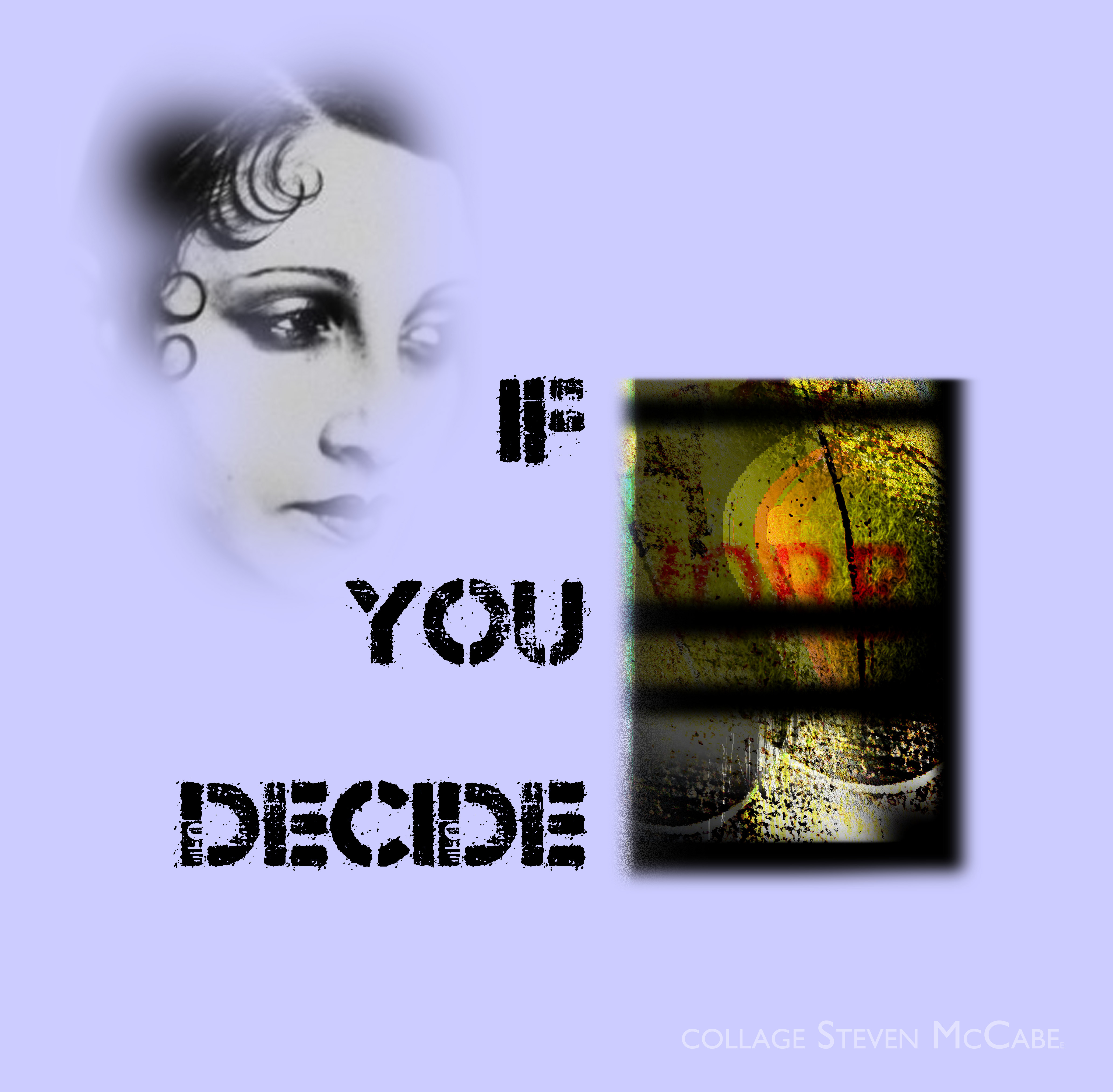
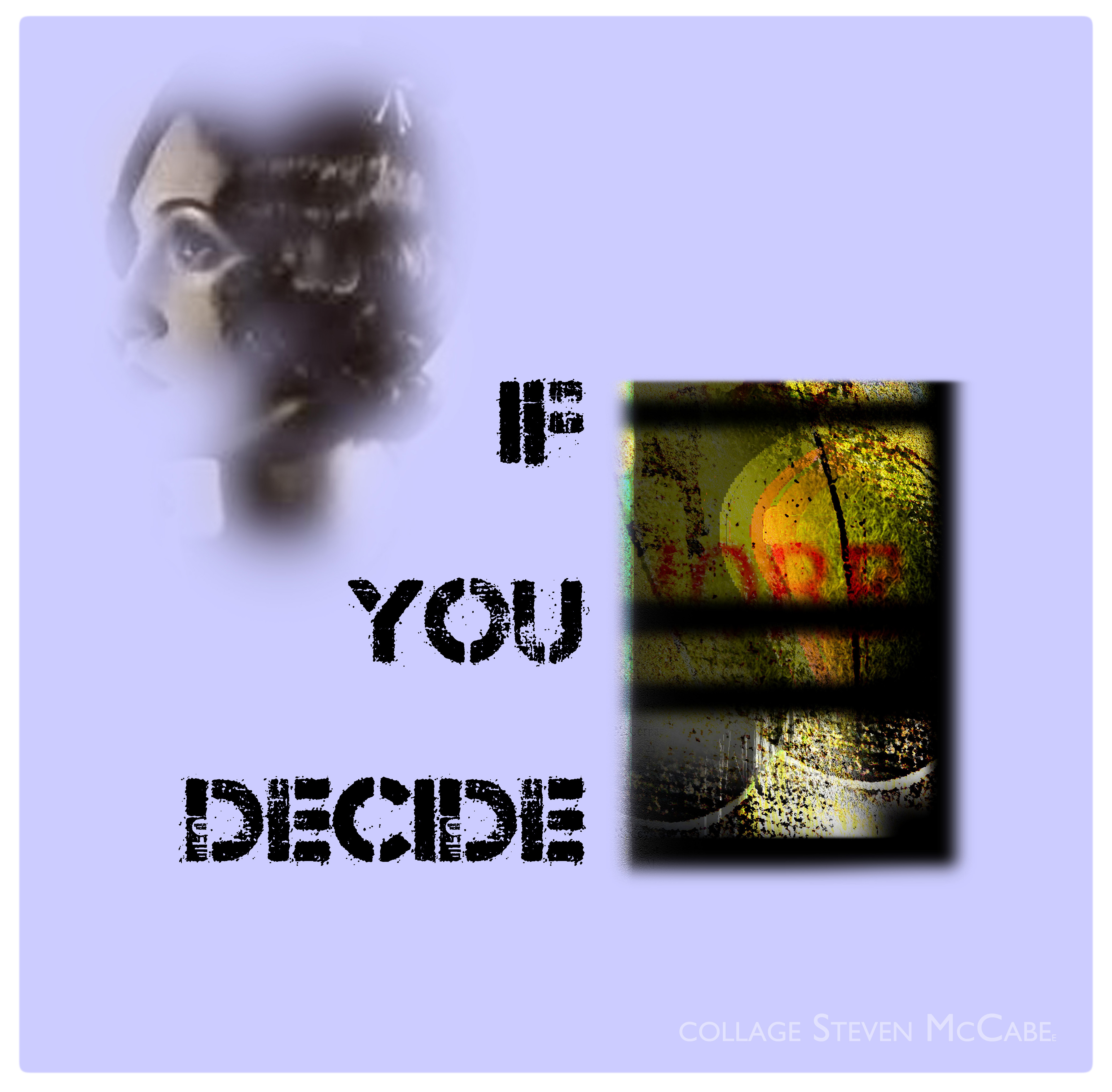
Photo credit: Renee Perle, a Romanian Jewish girl who moved to Paris, is famous as the first muse of the famous French photographer Jacques Henri Lartigue (1894-1986), who is considered one of the leading photographers of the 20th century.

http://www.romanianculture.org/personalities/Renee_Perle.htm

shadowssoftly 3violet detail 1