poemimage
The visual & the poetic.
June 2, 2013
Stop Being So Religious by Hafiz
What
Do sad people have in
Common?

It seems
They have all built a shrine
To the past

And often go there
And do a strange wail and
Worship.

What is the beginning of
Happiness?
It is to stop being
So religious
Like

That.

Translation by Daniel Ladinsky

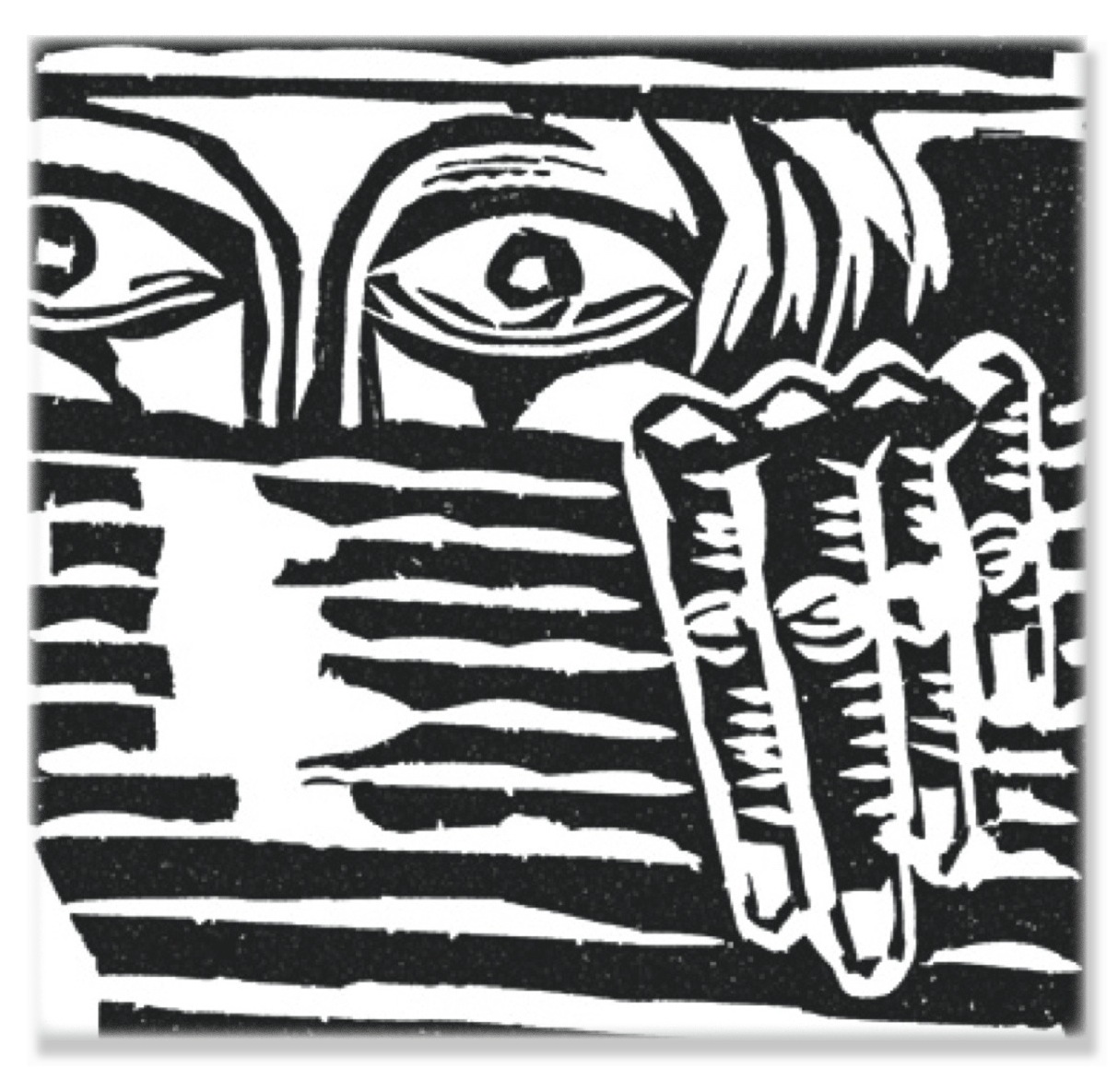
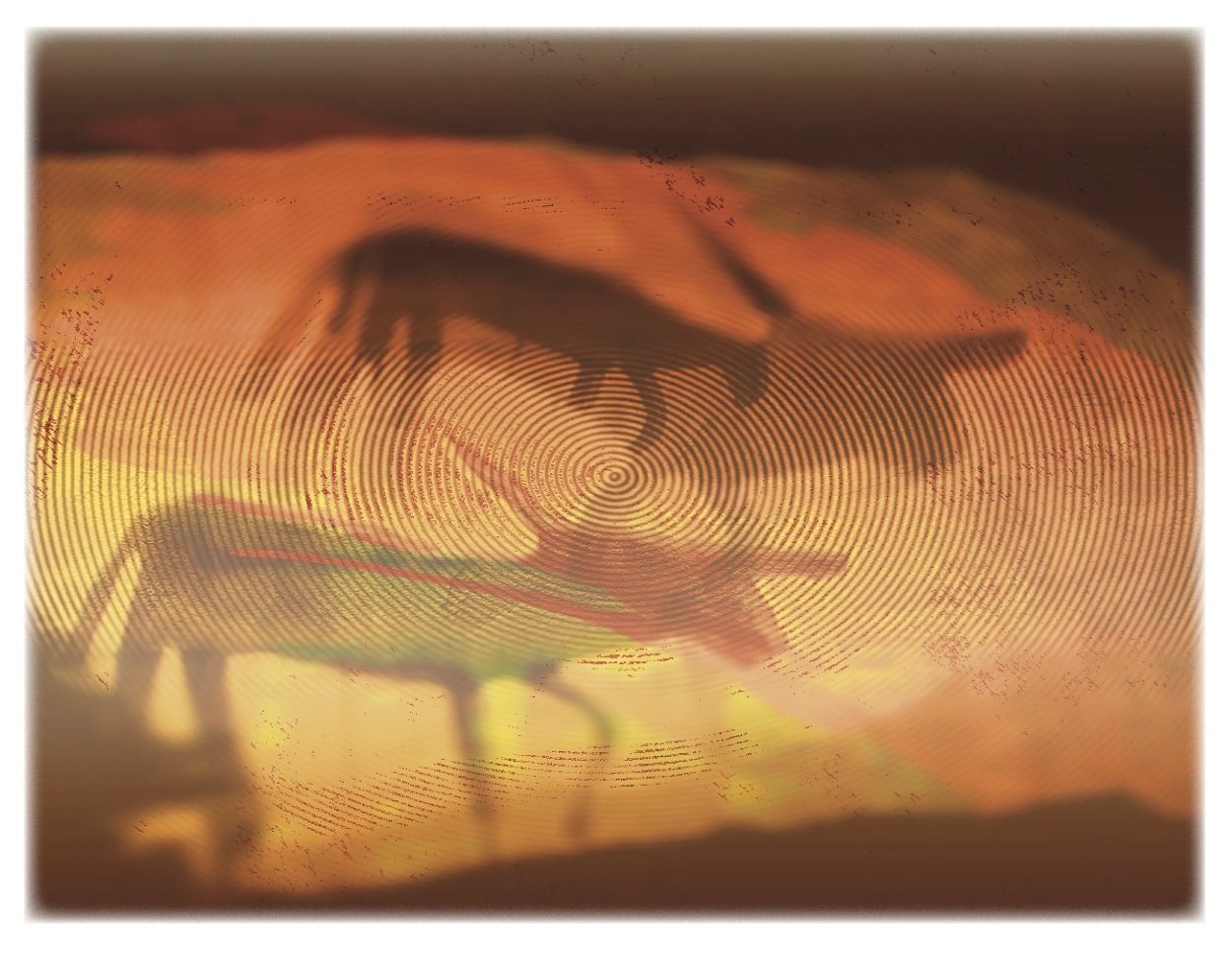
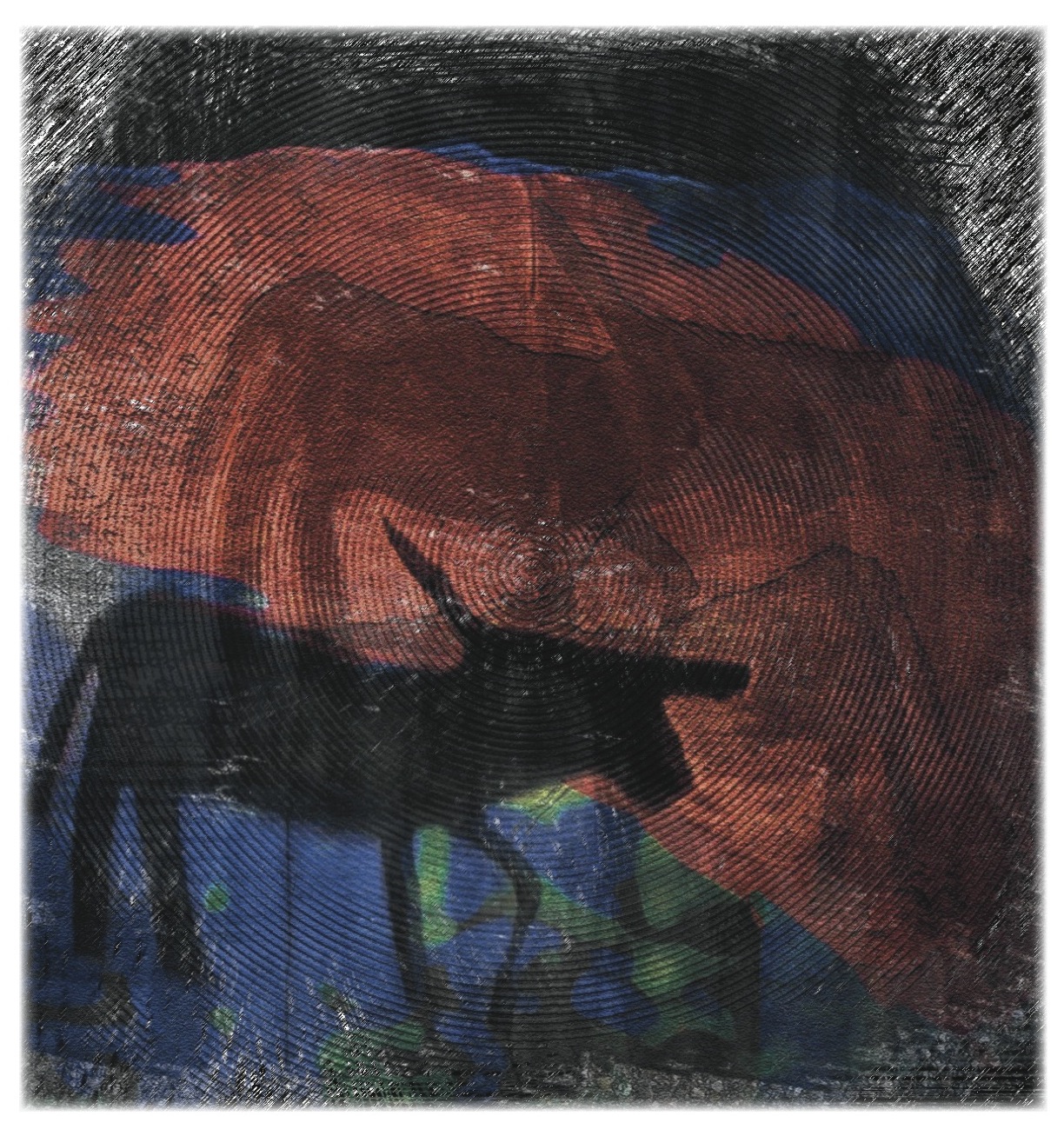
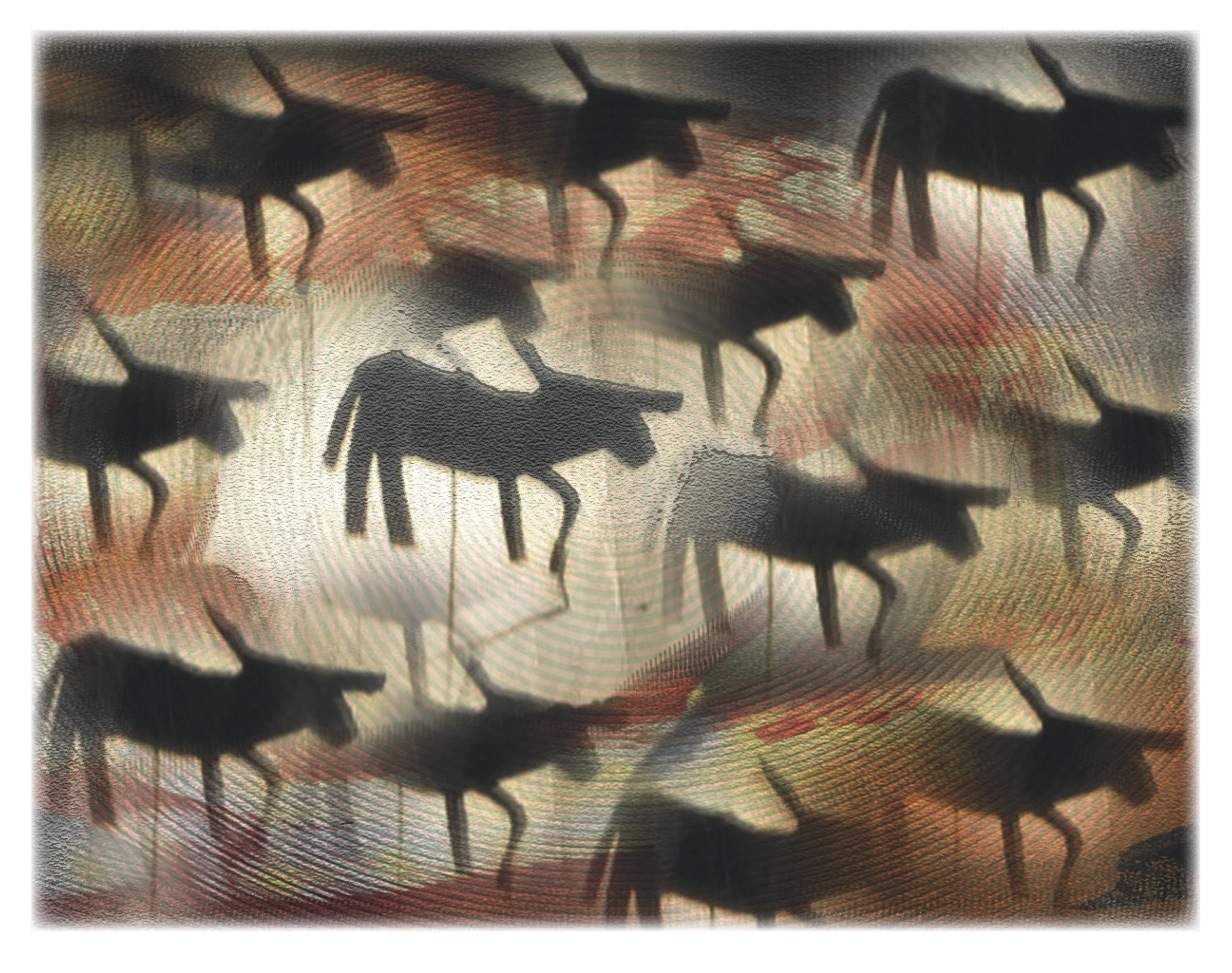
The animal figure was originally a shadow puppet created last year by a Grade 8 student in a small Ontario town. I delivered a poetry and shadow puppetry workshop & we created a quite striking multi media production. I decided to experiment with a photo taken during the workshop. Simultaneously I discovered this Hafiz poem which follows the previous post by Rumi very elegantly.


May 19, 2013
Beulah Hill: Slideshow. by Michael Gallagher

Crescent Moon hangs loose from sparkling Venus,
Blinking satellite hobbles through cobalt sky,

City silhouettes haunt low horizon,
On a garden bench, frozen crystals
Reflect the hidden stars,
Robin song greets nascent dawn,
Chimney crow steals dregs
Of last night’s heat.

Sudden gust stirs the stillness,

Threads the willows dangling tresses,
Scrapes the bones of a dying oak
And drives snow-clouds over
Croydon Town.
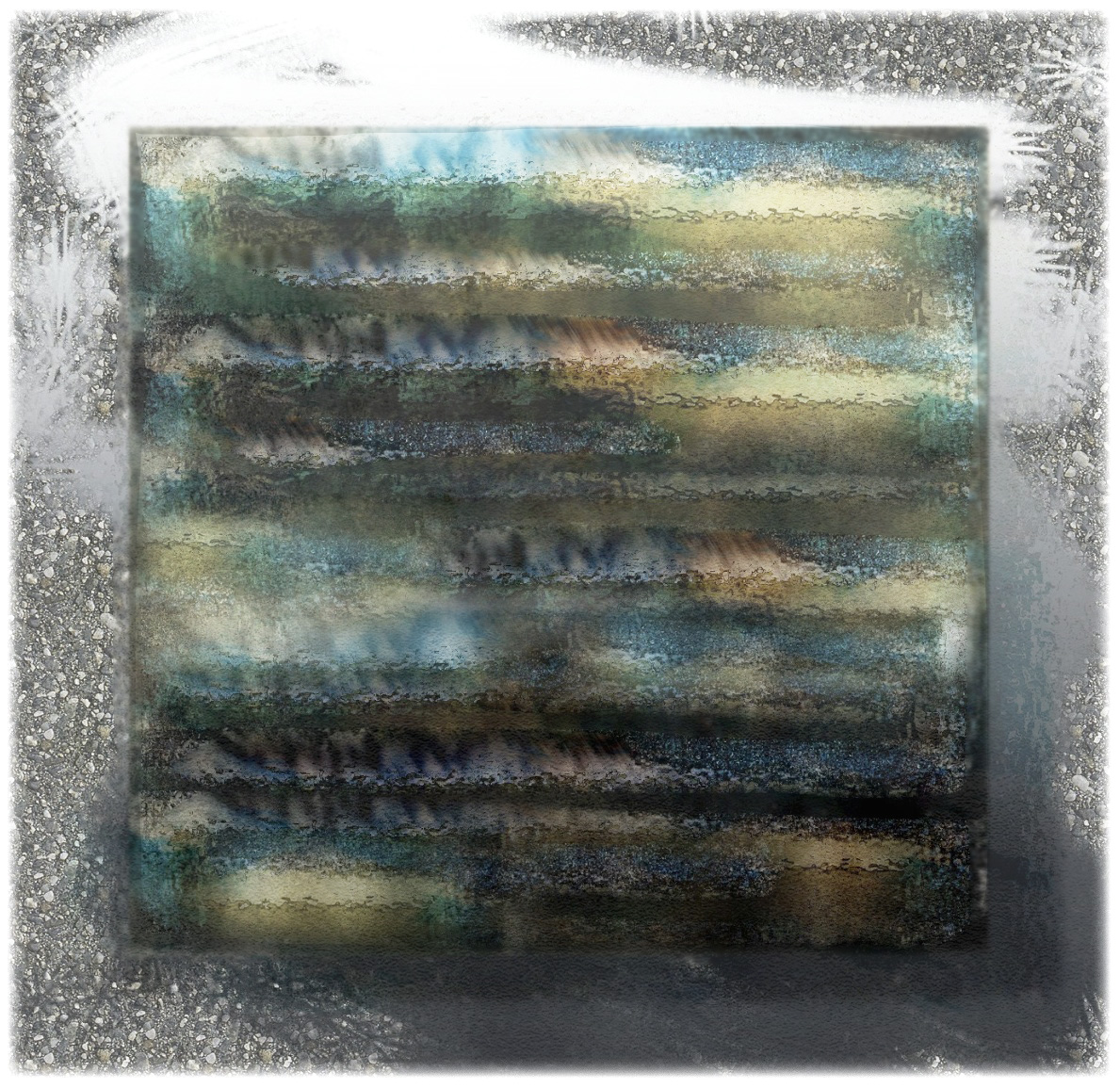
Mike Gallagher’s collection ‘Stick on Stone’ is published by Revival Press. His poetry has been published worldwide and translated into Croatian, Japanese, Dutch, German and Chinese.
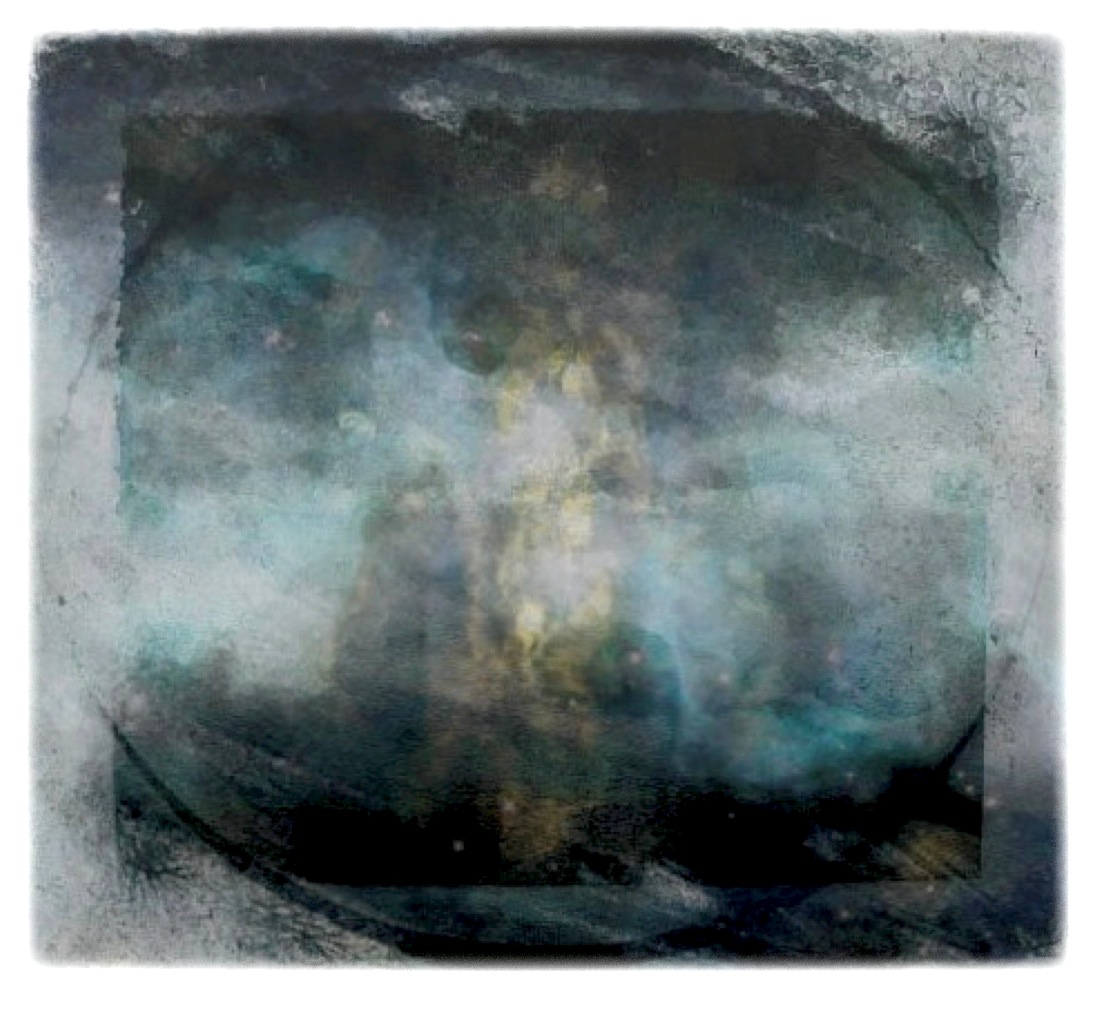
Before deciding to address Beulah Hill: Slideshow. I had been creating images of an eBook Reader in the future, discovered as temperatures shifted, revealing a poem covered with soil and frost & still mysteriously visible. I decided to adapt those visuals and, befitting the poem, layer earth-tones with space images from the NASA Goddard Photo and Video files @ Wikipedia Commons.
May 3, 2013
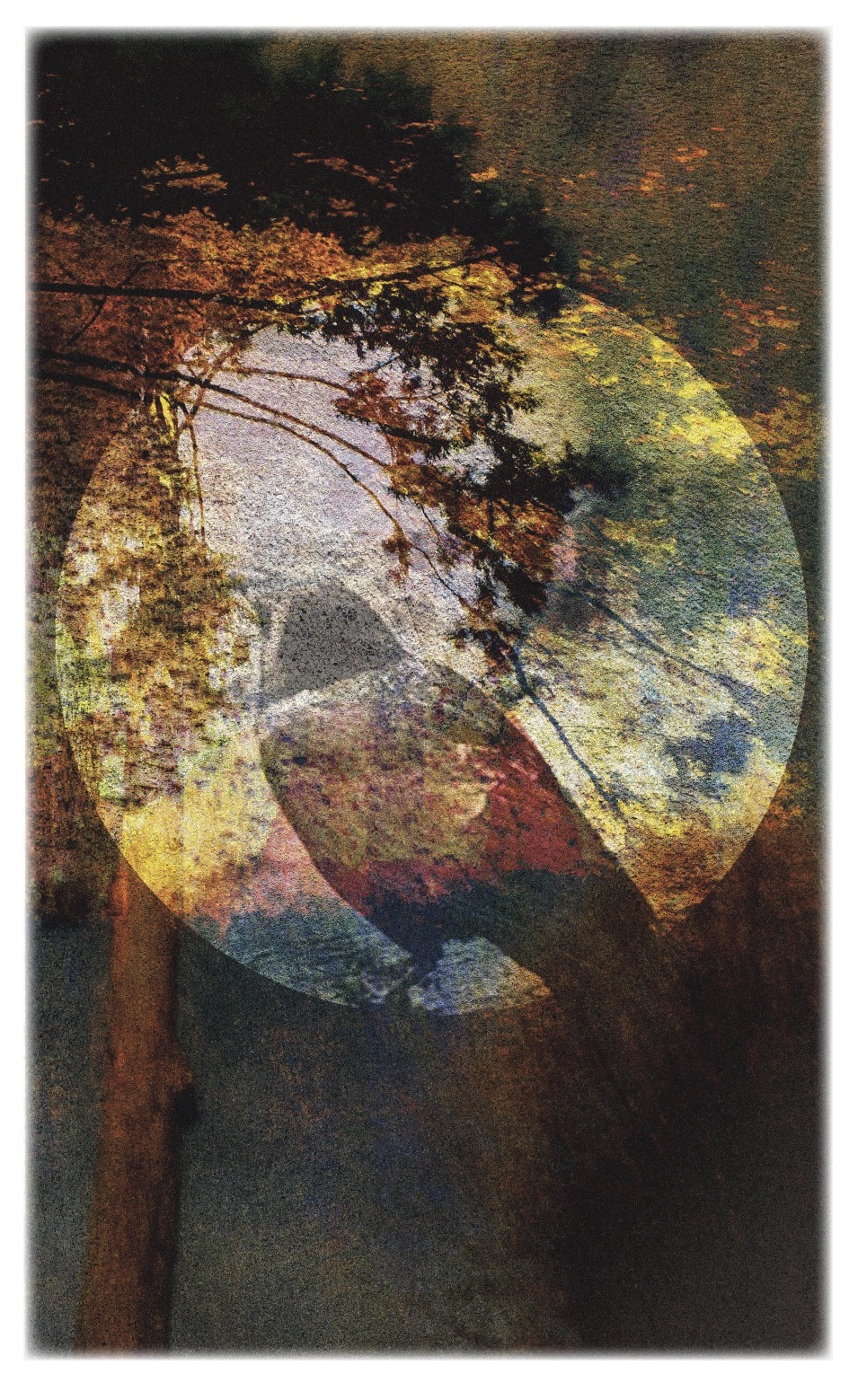
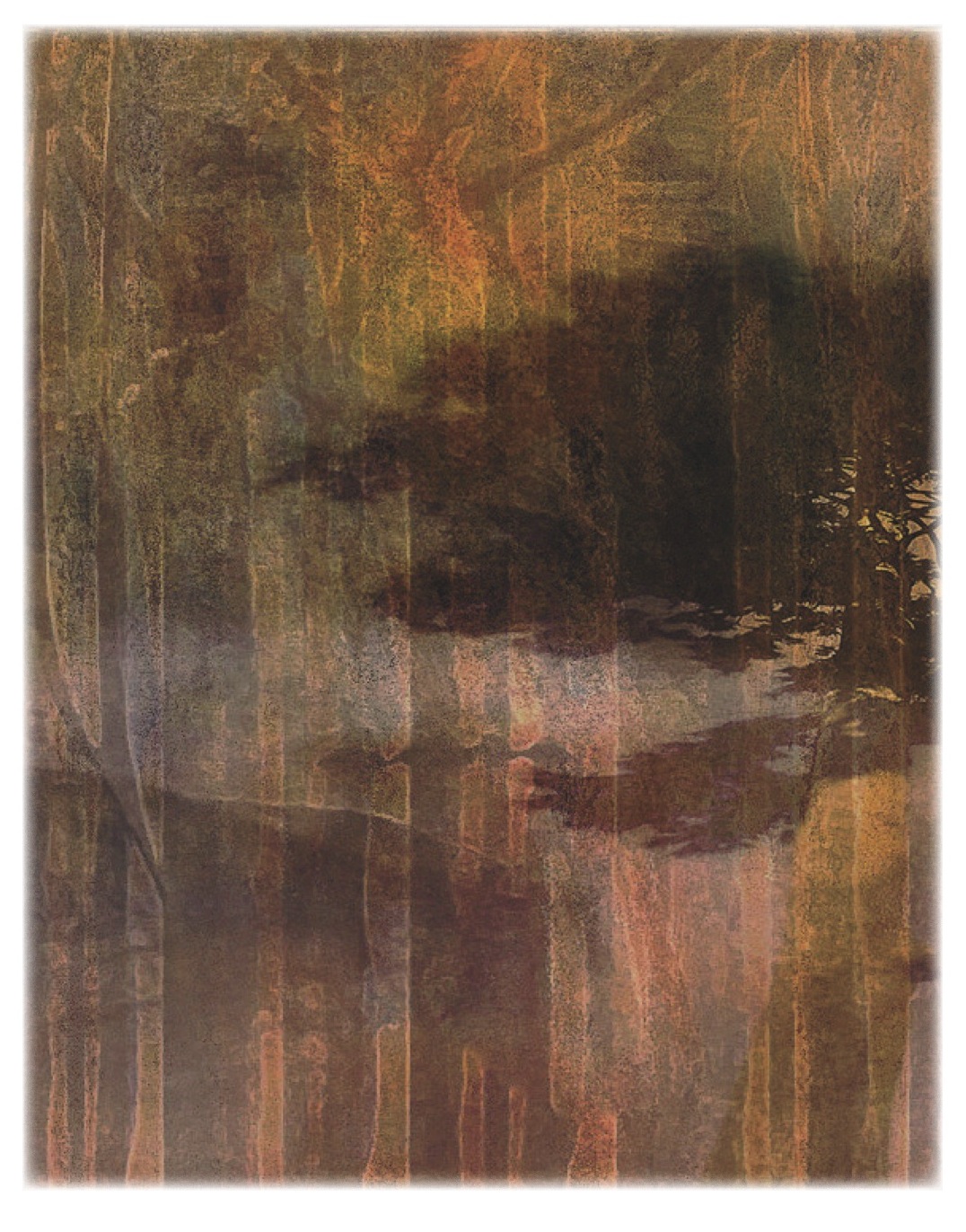
O Christ Cedar by Susan McCaslin

You among emerald drapery
from your wind-
stormed outpost

plank and plane
vertical-horizontal world pivot
sprung from coastal seed
humming core
flaking bark
woodpecker’s grail

growing a wilder carpentry
taller masonry
more commodious poem

Be in us the world’s resinous heart
hung in a spackled sky—
forest green
hoist and balance
equipoise and reach
sylvan singer song
Susan McCaslin, author of Demeter Goes Skydiving (University of Alberta Press, 2011), initiated the Han Shan Poetry Project in November of 2013, a union of the arts and activism to save an ancient rainforest in Langley, British Columbia. http://www.susanmccaslin.ca

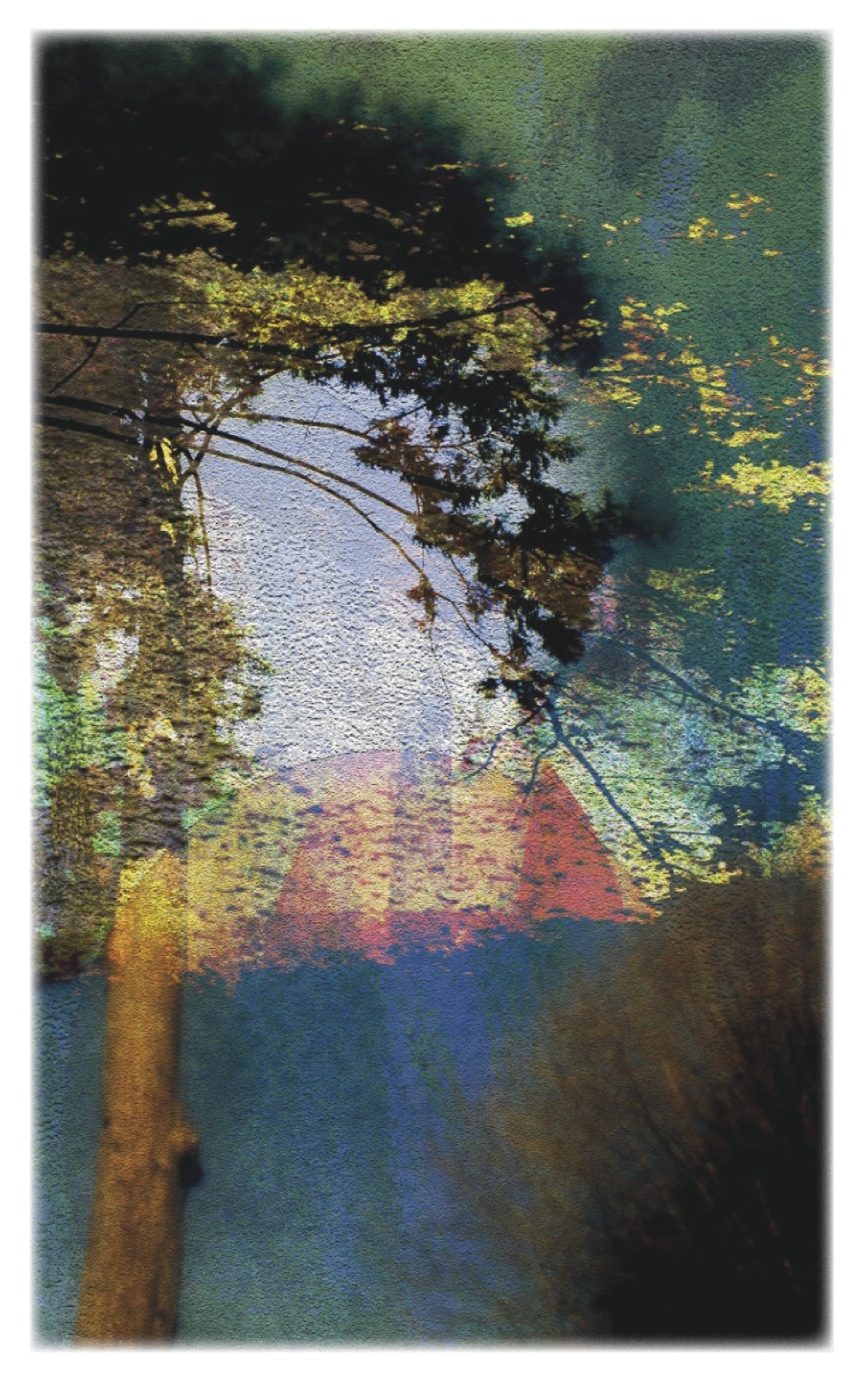
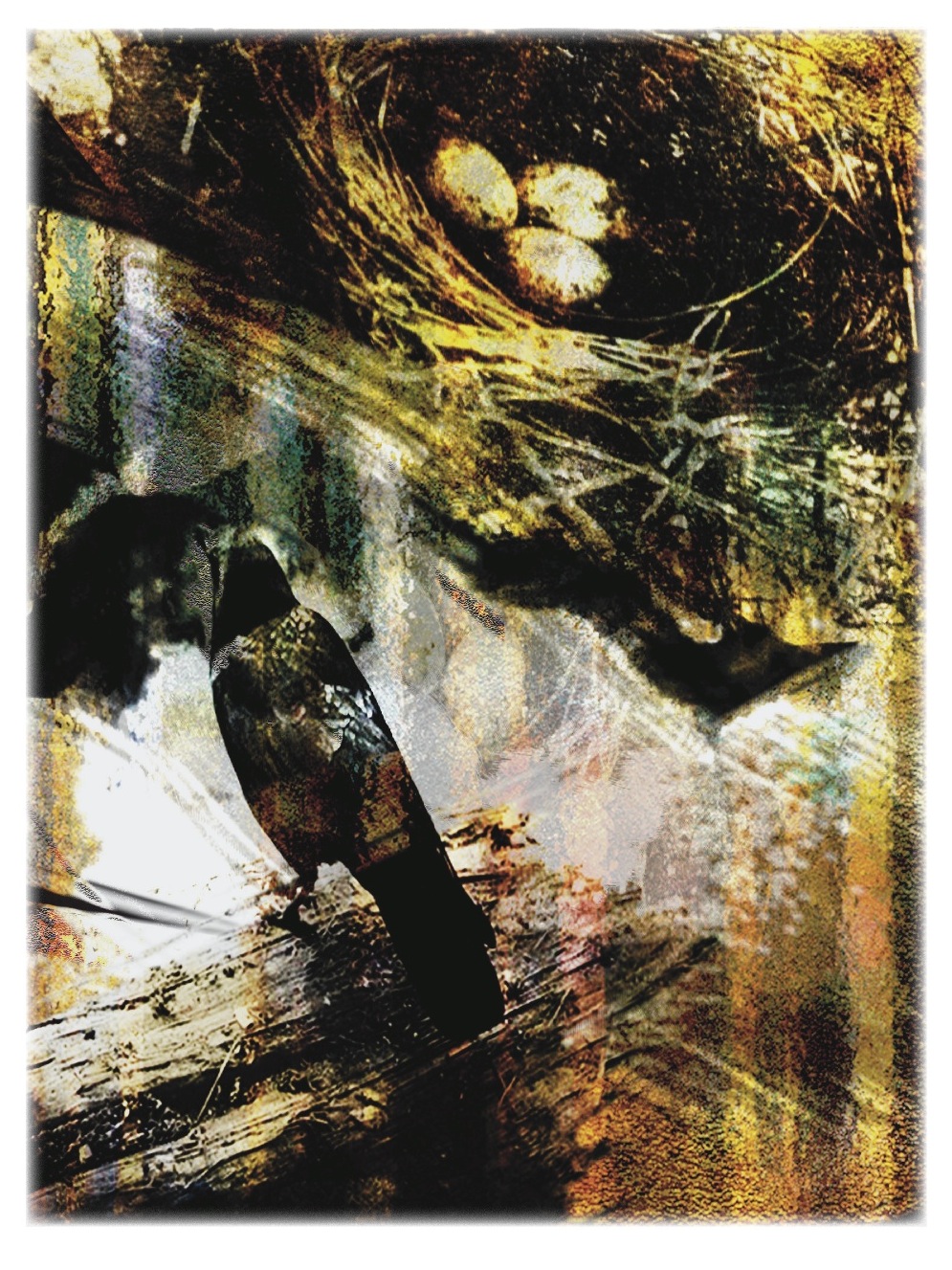
Artist Stasja Voluti generously allowed me to reconfigure and manipulate her photographs of cedar trees and ‘things cedar’ including crows visiting cedars. To learn more about her work visit: http://talonbooks.com/meta-talon/surrealism-in-text-and-image-a-conversation
Nest and Three Eggs of Cardinal in Cedar Tree photographed by W. L. McAtee in 1905 as part of the series Birds of the Vicinity of the University of Indiana.
April 27, 2013
Symbolic Romance: A Gustave Moreau Painting or Odilon Redon Lithograph by Steven McCabe
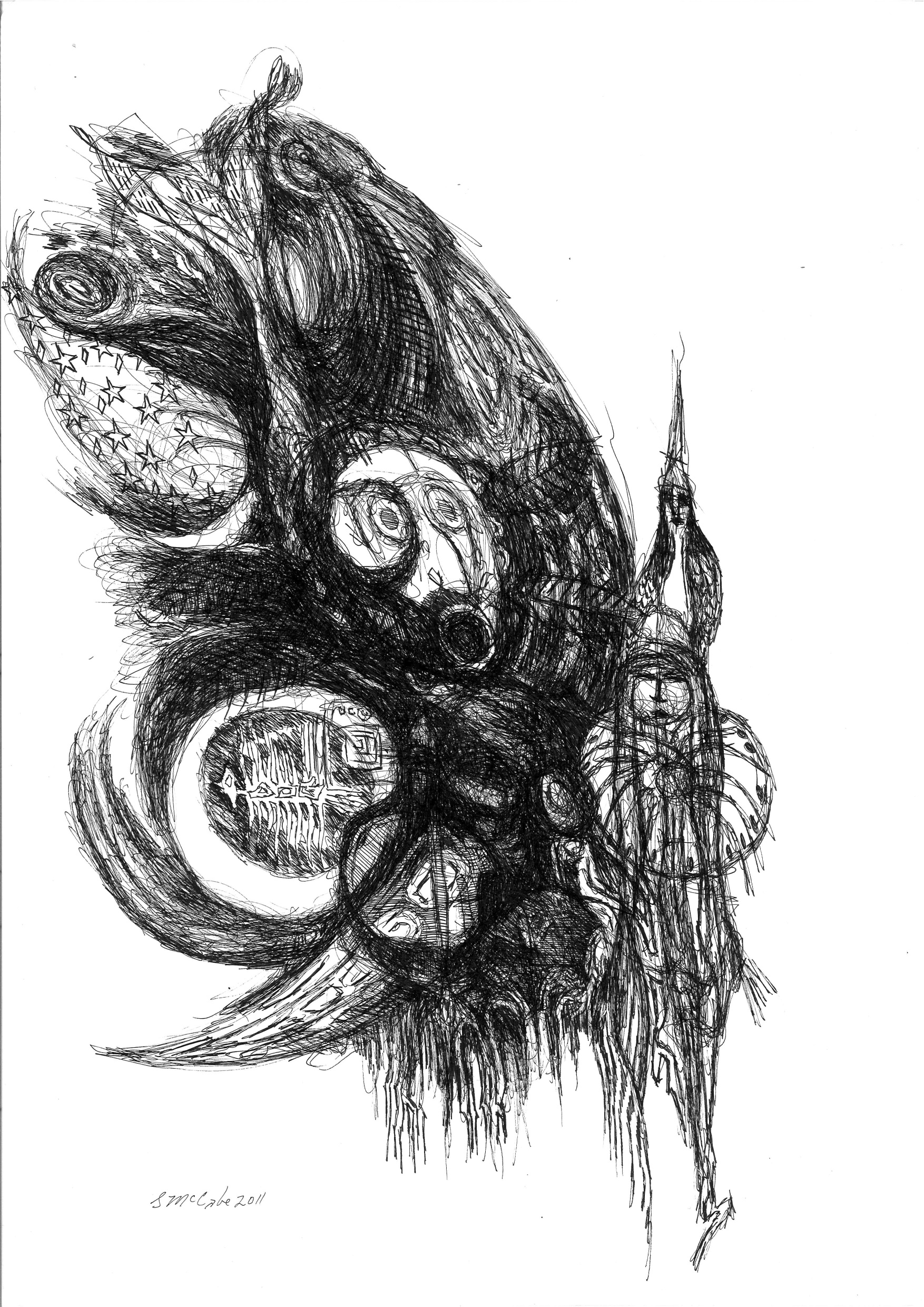
Information is a jewel encrusted codpiece
Worn by a eunuch on his death bed

In the hands of the wrong person revealing everything
In the hands of the right person revealing impotence

The wheels roll and plants grow
A man and a woman approach one another


Diamonds nick a valve in my heart and I wake to find you
Dressing me with misinformation
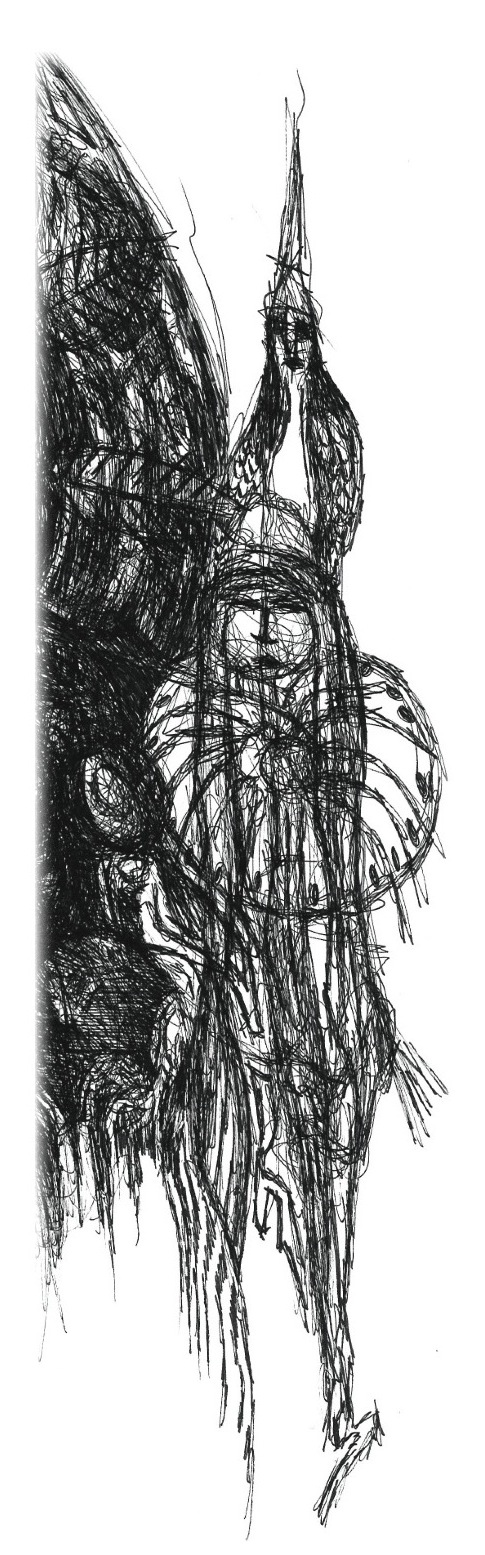
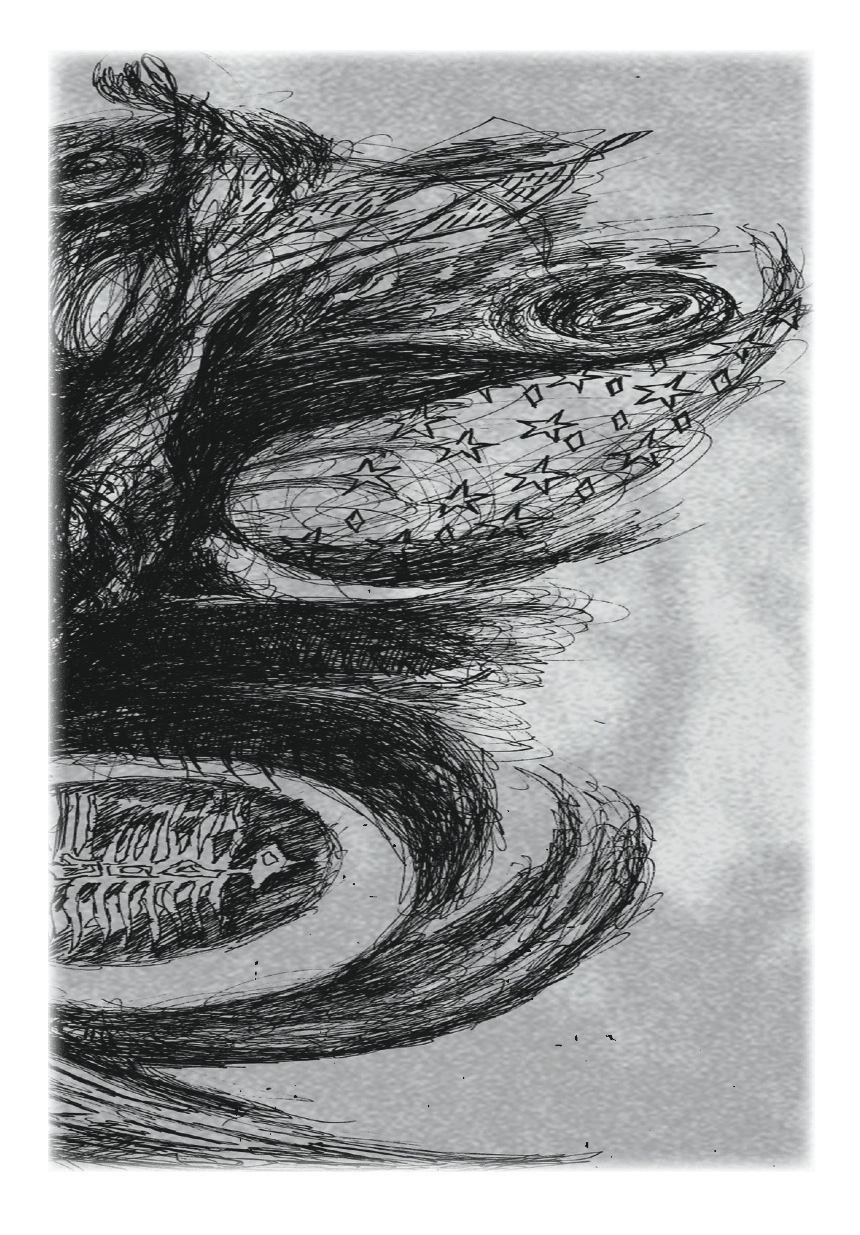
from my collection Jawbone (Ekstasis Editions, 2005)
April 21, 2013
Of by Steven McCabe
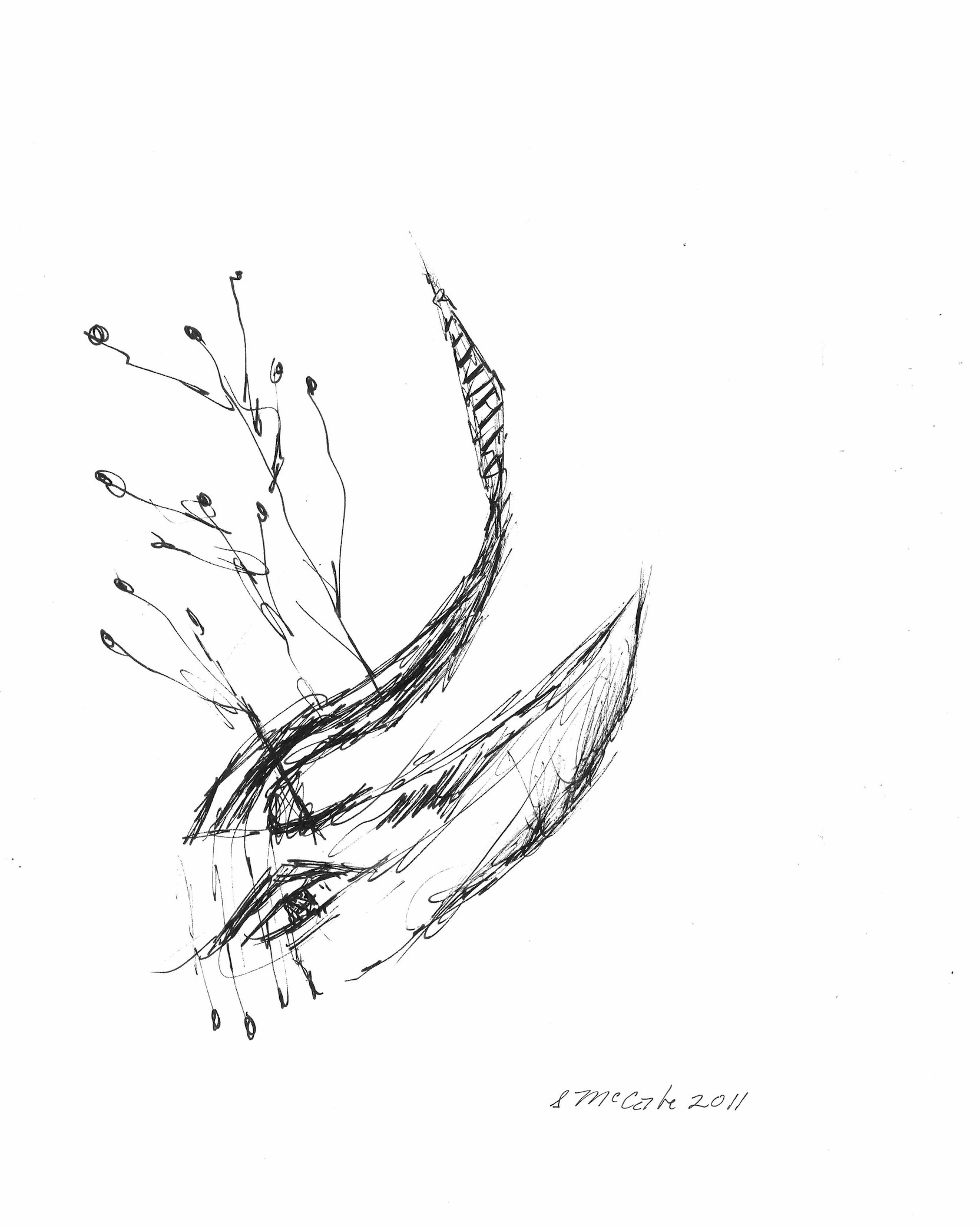
As if the drip of machinery oil
And of knowledge of musculature
Were enough
In the search of room after room
Coinciding with the rediscovery of sculpture
Coinciding with the sculpture of rediscovery.

Originally published in my collection Jawbone (Ekstasis Editions, 2005)
April 13, 2013
Angel by Eileen Sheehan


He said, I am old and
everything has a bitter
taint and besides
I have only these oddments
to offer; things broken,
unfinished, unused and I’m not even
sure why it is that I’ve
kept them so long.

But she saw how his body
radiated light and he carried
not just a jumble of wheels,
coils, springs but the very
ones she’d been needing to
mend the faltering
mechanisms of her heart.


And his eyes were pure
as a child’s
and she knew

from that moment on
she was his
entirely
Eileen Sheehan is from Killarney, Ireland. Her collections are Song of the Midnight Fox and Down the Sunlit Hall (Doghouse Books). Angel was first published in THE SHOp: A Magazine of Poetry (ed John and Hilary Wakeman).

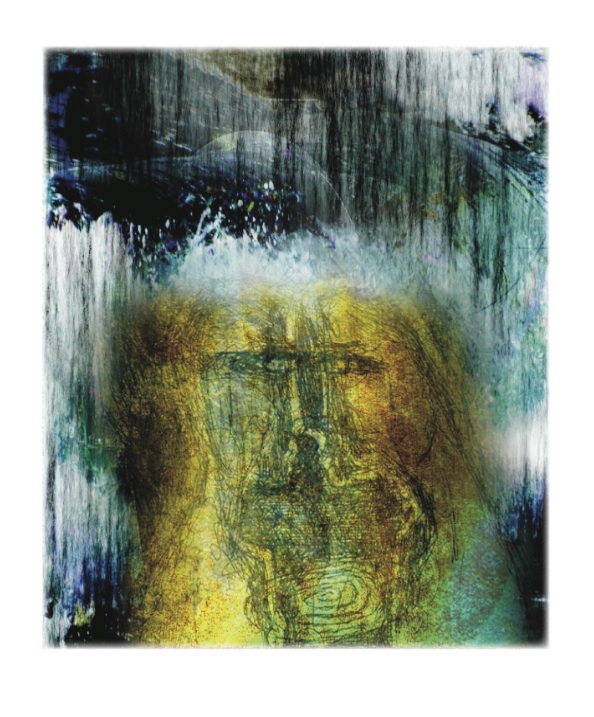
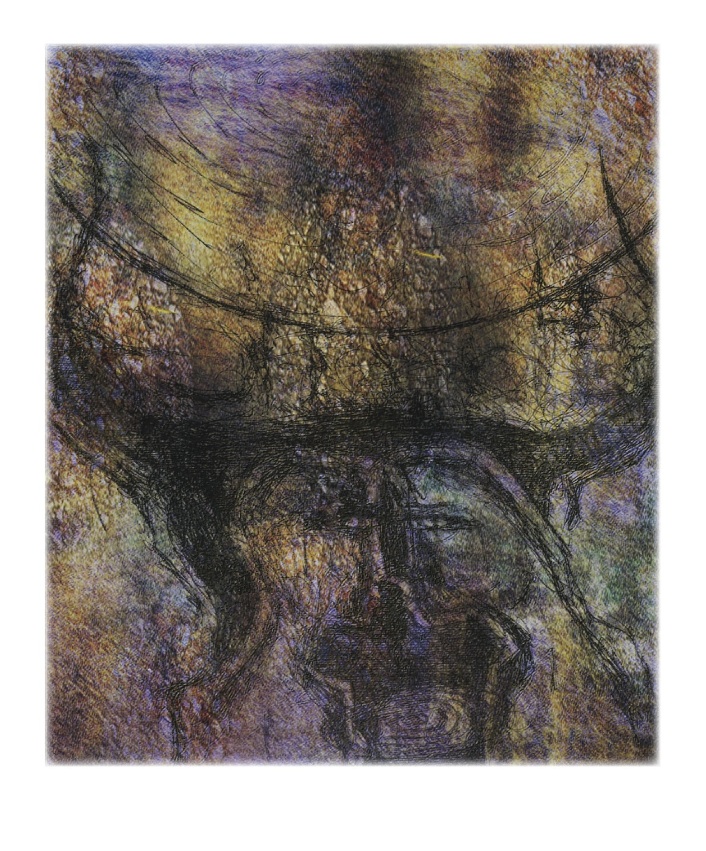
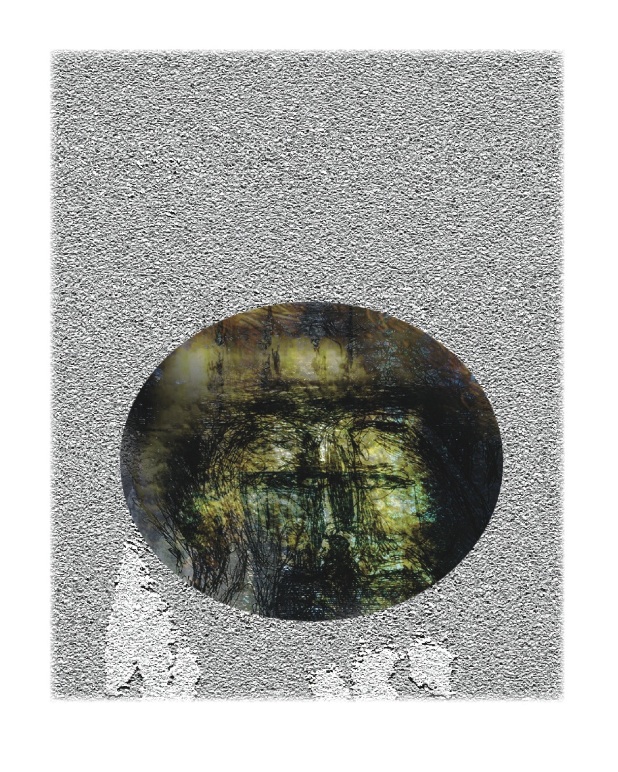
I found this love poem very moving, beautiful and rooted in reality. I was intrigued by deeply felt emotions relating to the word ‘Angel.’ The air and thought around the word Angel called for earth and water, both surface and interior, to flesh out the wishes and realizations being expressed and conceptualized. To create several of these images I remixed a photo of waves crashing onto a beach in California uploaded by user Tewy on Wikipedia Commons: http://creativecommons.org/licenses/by/2.5/deed.en
Fragments…traces… of a mathematical formula by Nikolaos Manolopulos appear ever so faintly, unknowable, perhaps in three images, from my first gestures integrating Wikipedia Commons material with my ink drawing.
April 1, 2013
« Goutte À Goutte », Plein verre, 1940 (May) by Pierre Reverdy, Translated by Pierre L’Abbé, 2011.

Drop by drop
The habit of loving
The sap of fatigue
The torrents of sleep
In the pit of nefarious plans
If I had to give over the secret of the past
I would no longer fear the heaviness of blood
Being alone
Sharpens revelations on the edges of the wind
Weak and ugly
I sleep in gutters

Doubled, exposed to the weather
To the barbs of fate
To the blows of fortune

The bubbles of dark days burst in my hands
Life trembles irresolute on the edge of each sheet


Along the borders of the morning
I no longer take a turn
The forms of hatred
Cheeks bulging with fire
These starving ovens

When love enlightened breathes on bitterness

And dances on the dream-rope of nothingness


Pierre L’Abbé is a translator, a publisher, and the author of poetry and short story collections. He lives in Toronto.

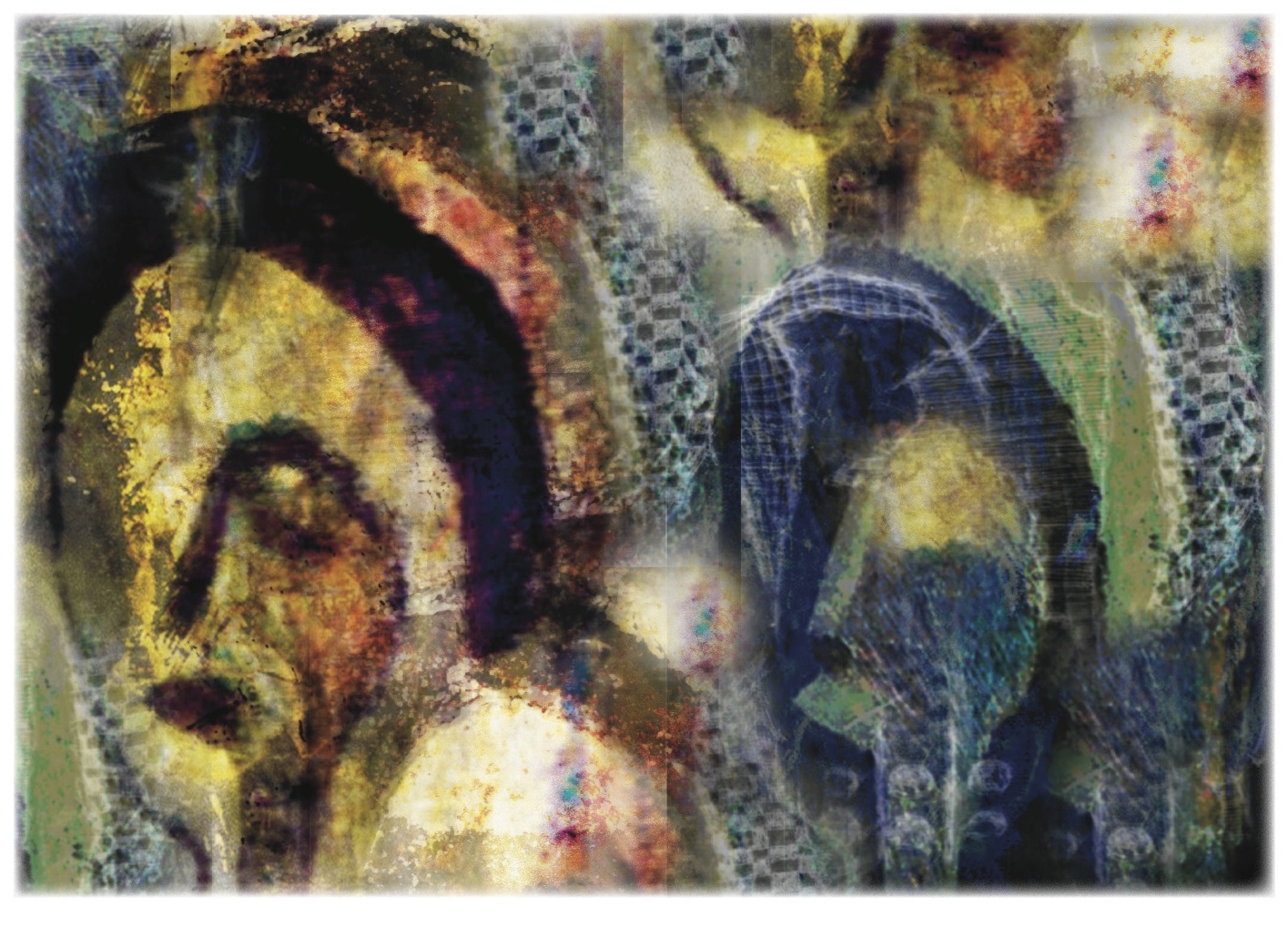
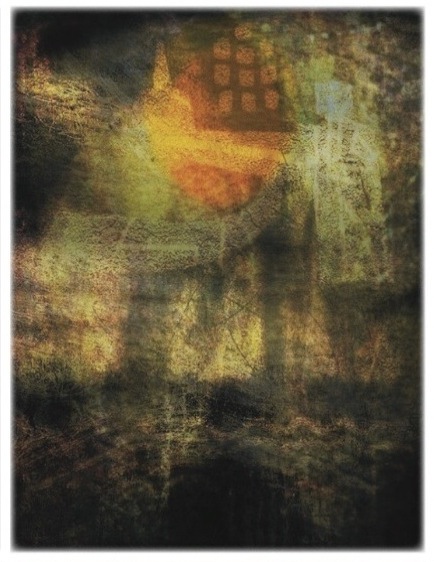
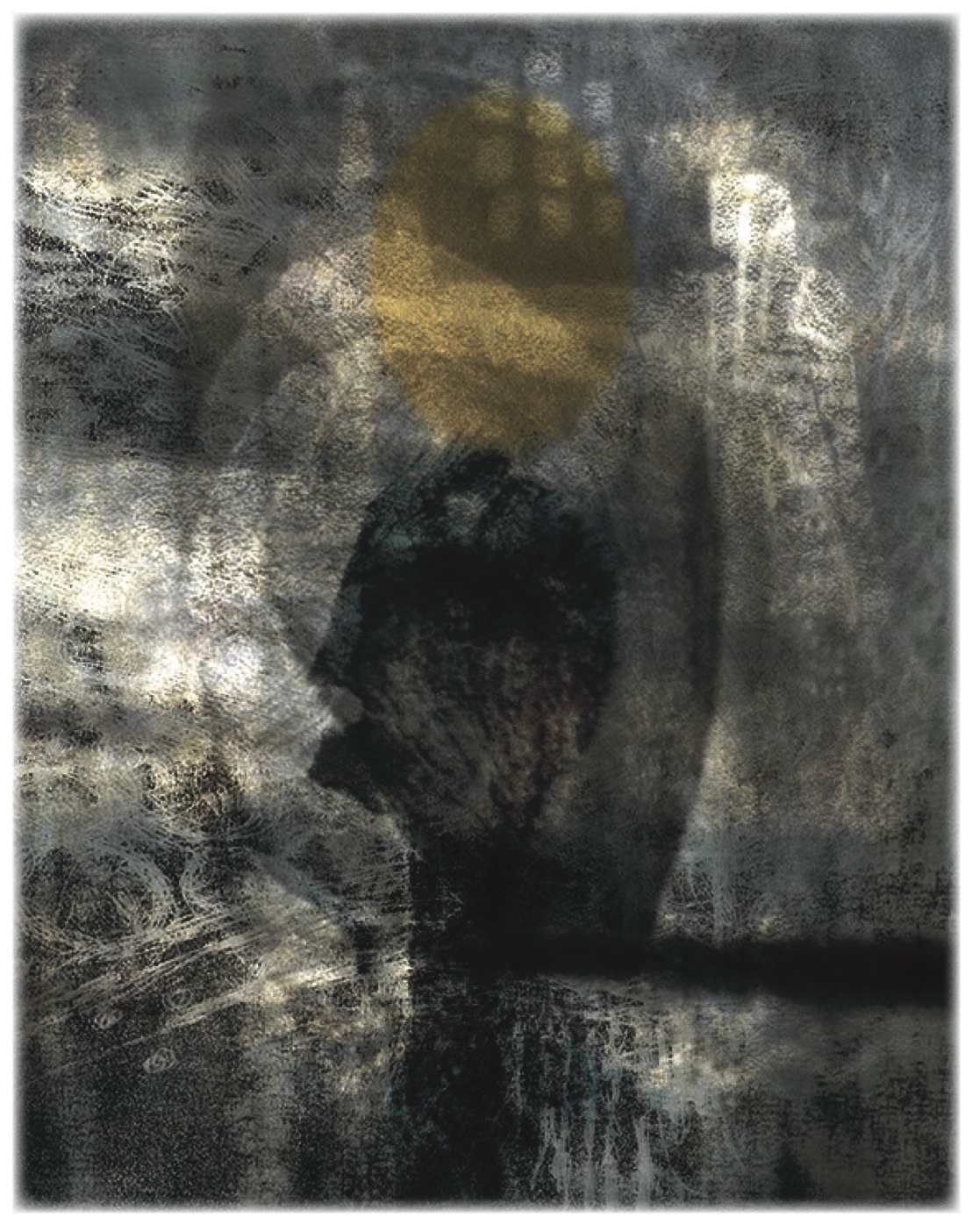
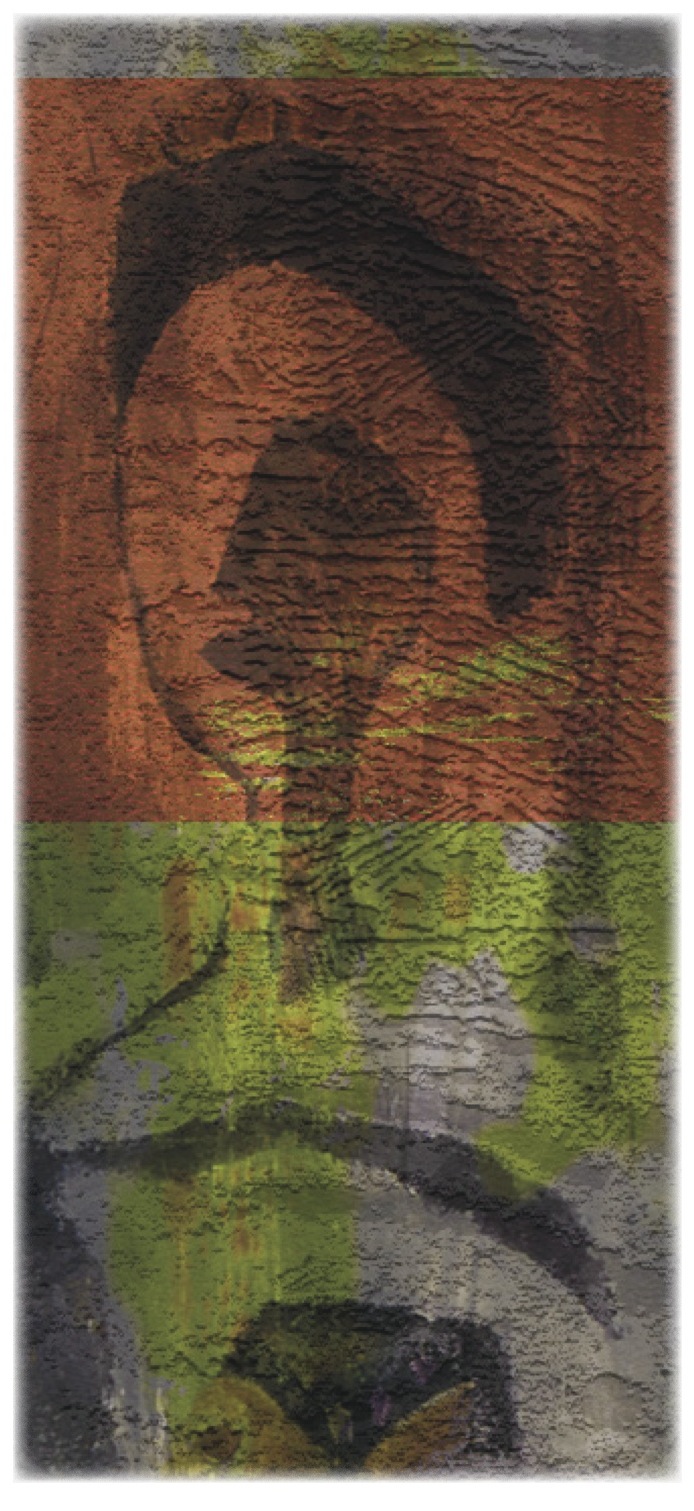
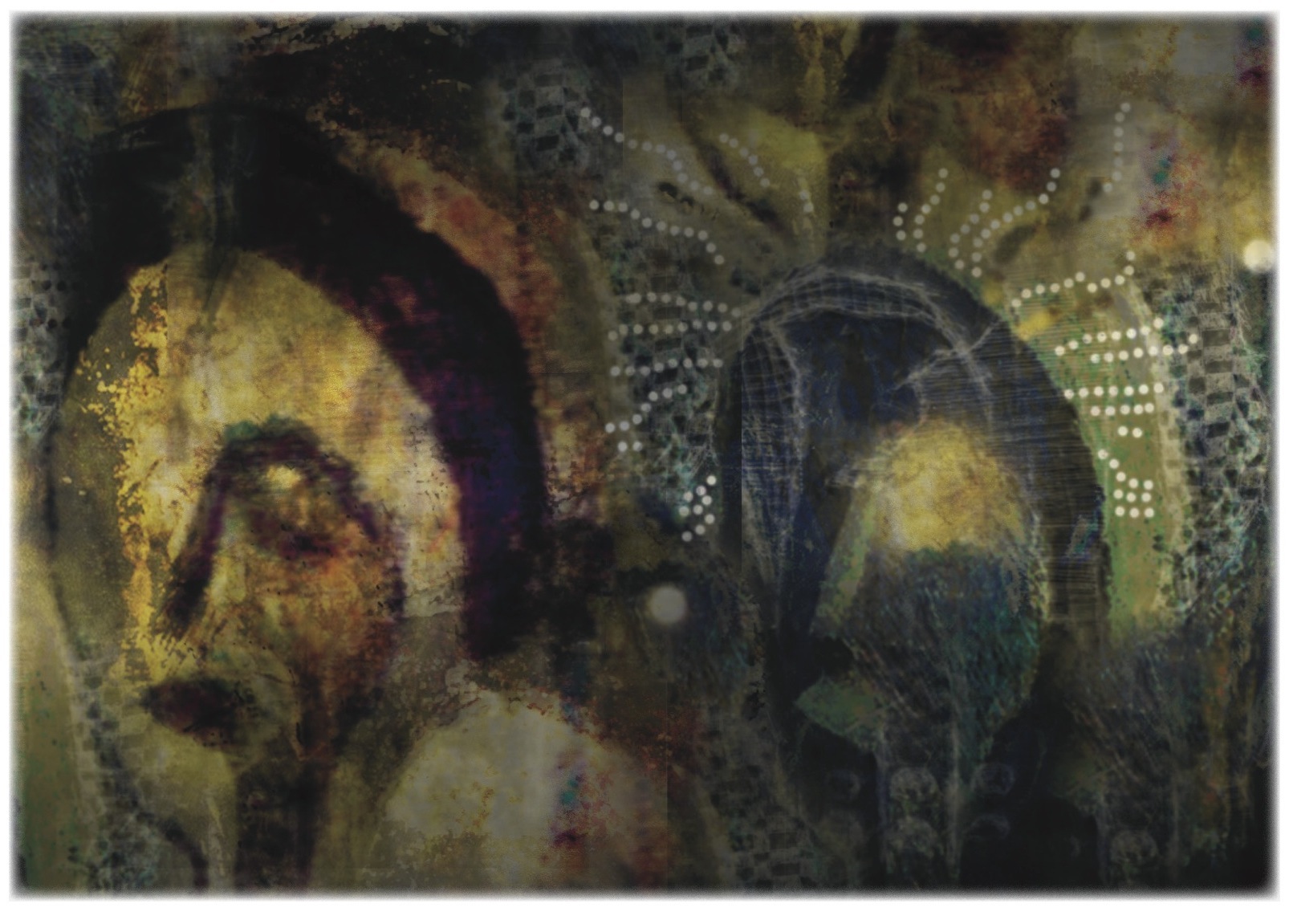
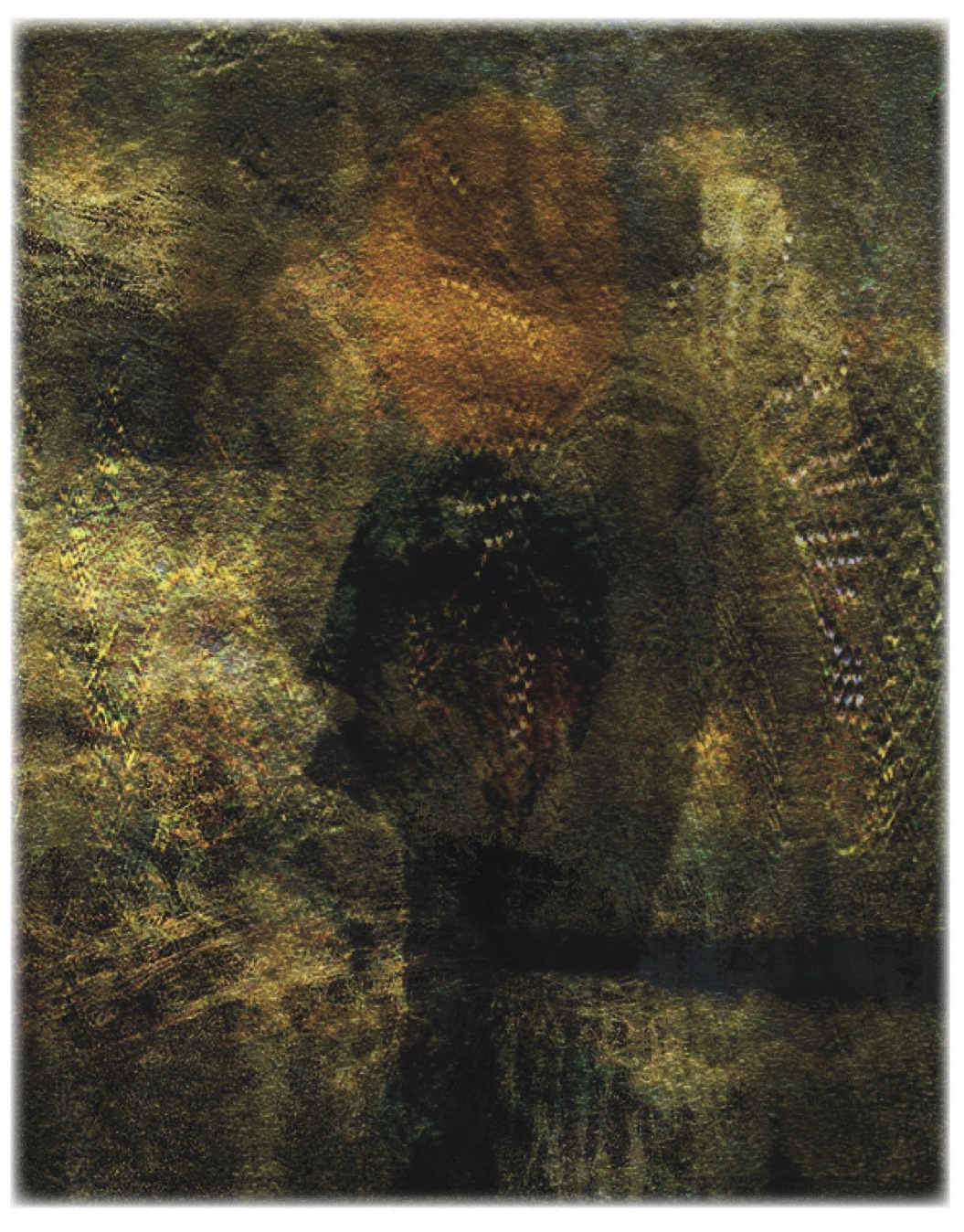
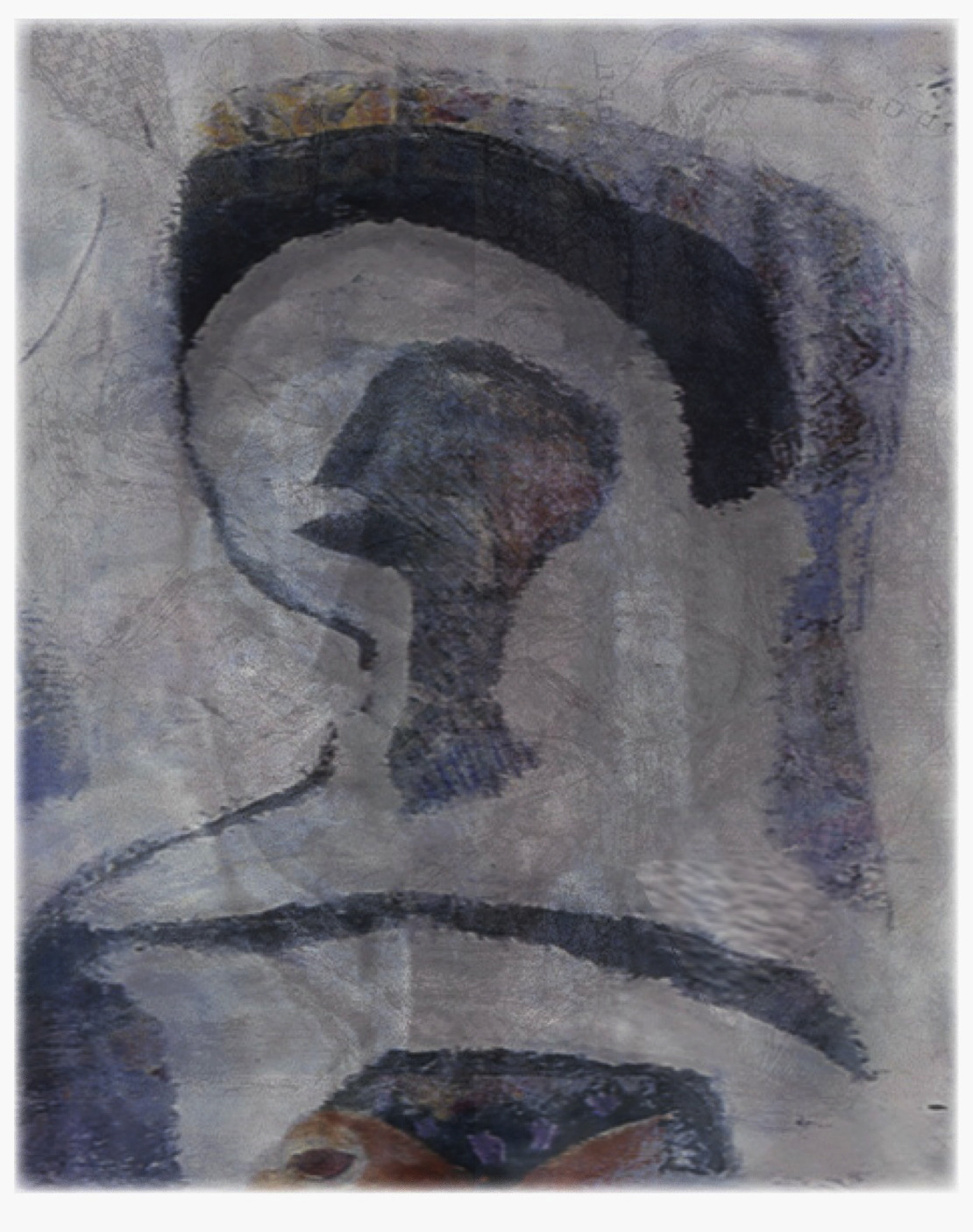
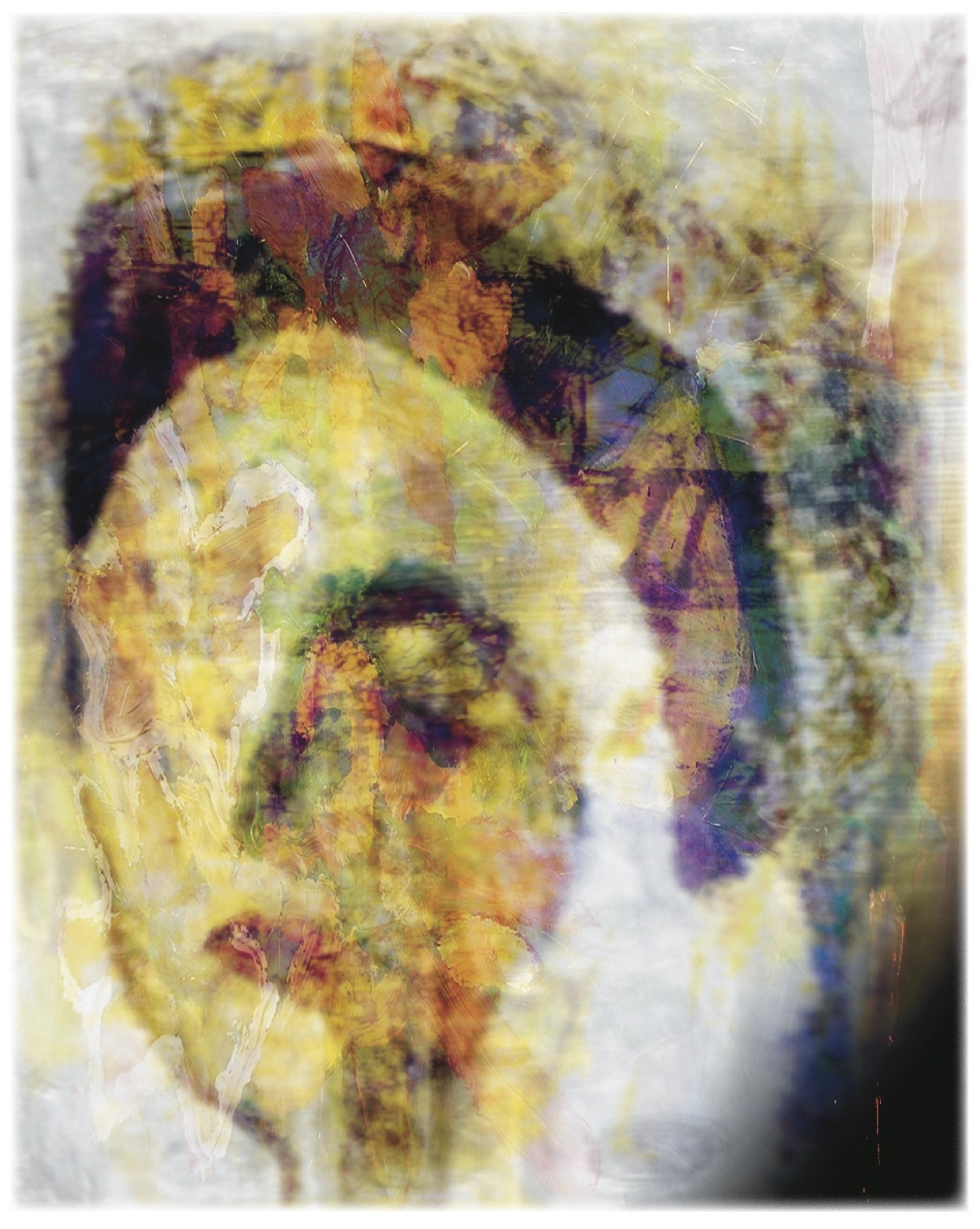
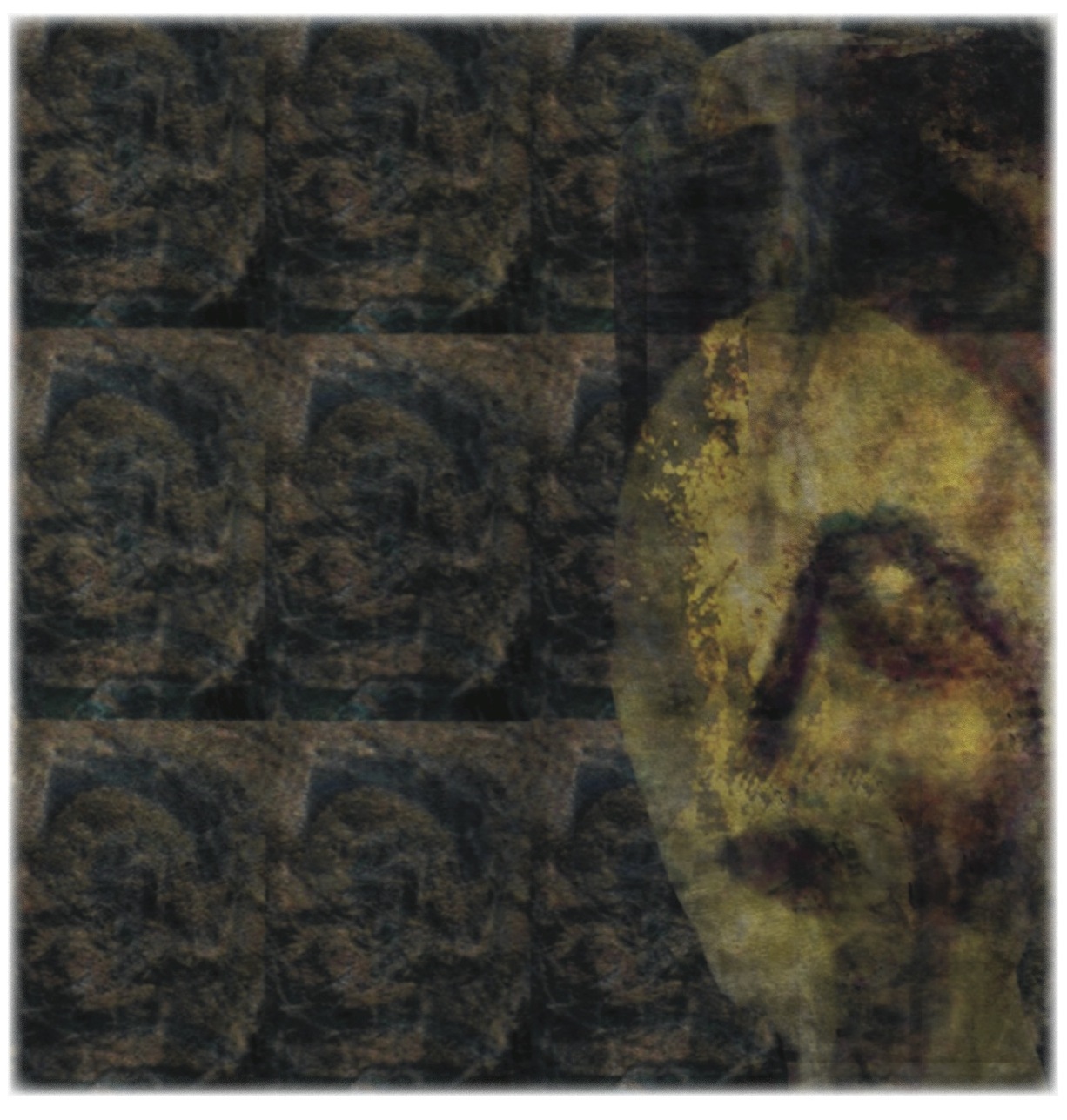
When I began generating images for this Reverdy poem my focus was ‘self’ seeing ‘self.’ I wondered also if the poem was historical. I pictured incidents from World War Two. Or maybe psychological? The poem seemed to present an existentialism assuaged with the balm of cathartic love. And then because, coincidentally, I assembled this page on Easter Sunday, I considered (perhaps outlandishly) this being a dialogue between Jesus Christ and Mary Magdalene. In two voices. An end to their metaphysical, sexual, emotional love. Hmm…perhaps too literal. I wasn’t sure where metaphor began and personal voice ended. This began a chain of associations concerning language, representation, authenticity, double-identity, etc… and I was back at the idea of ‘self’ (whatever that is) seeing ‘self.’ You know that feeling you have when you look in a mirror? You know it’s you but you’re not quite sure who ‘you’ is. You see yourself experiencing an image of your self. So, as you can see, the poem presented a host of interpretive challenges. Pierre L’Abbe would know far more than me about this poem’s purpose. As always, I went with my intuitive response in creating images. In this case a face and a figure interact while constantly transforming.
 poemimage
