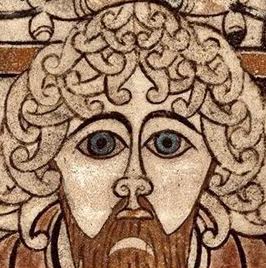
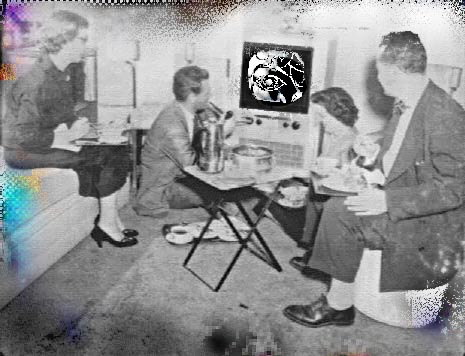
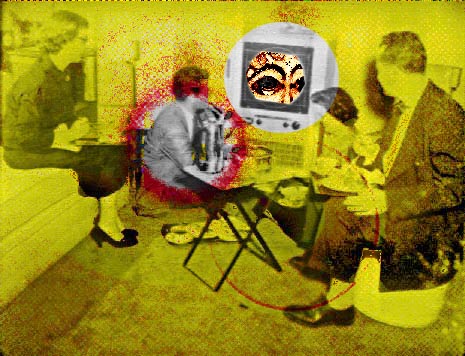
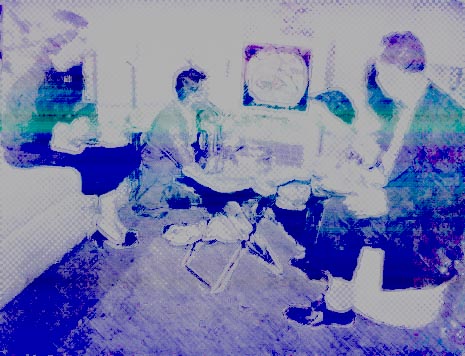
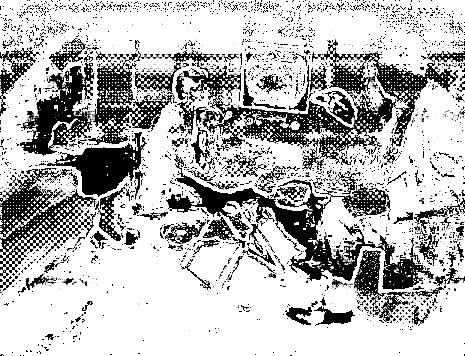
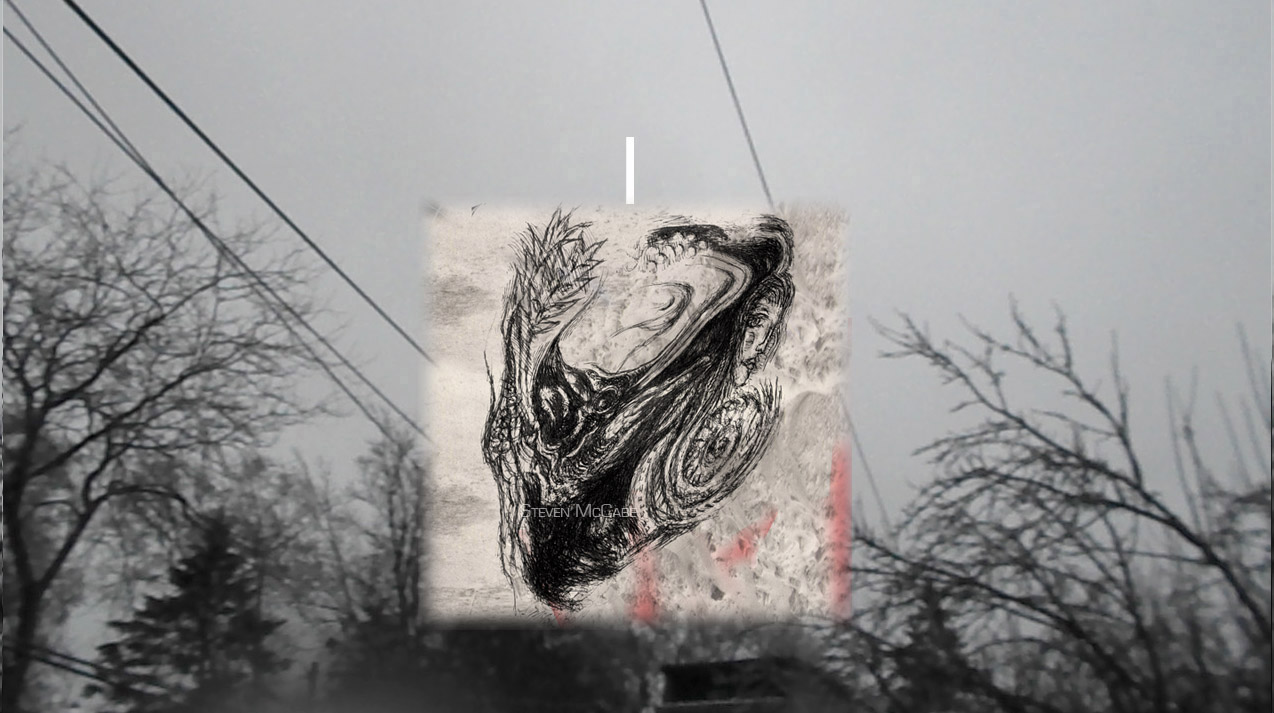
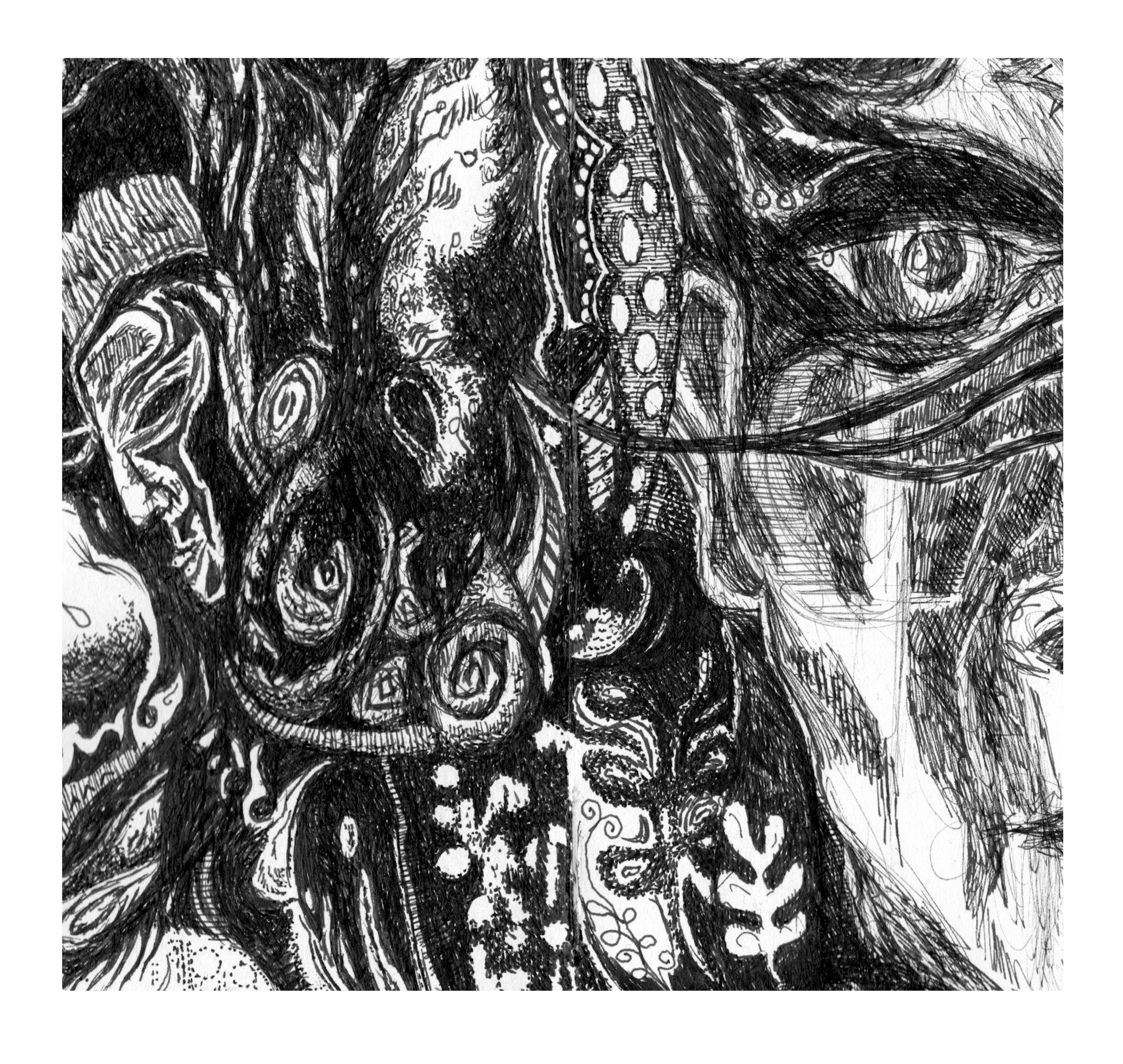
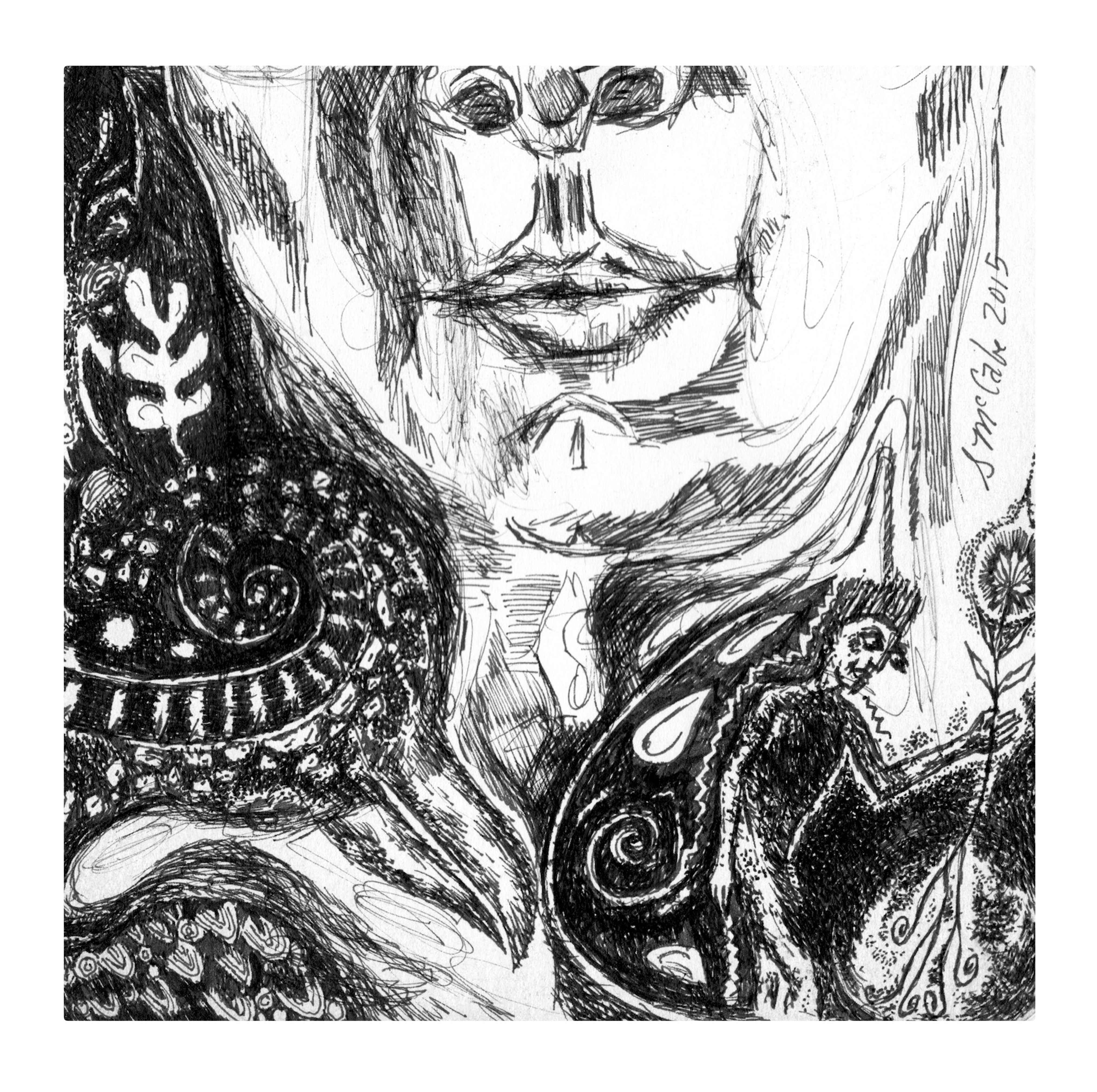
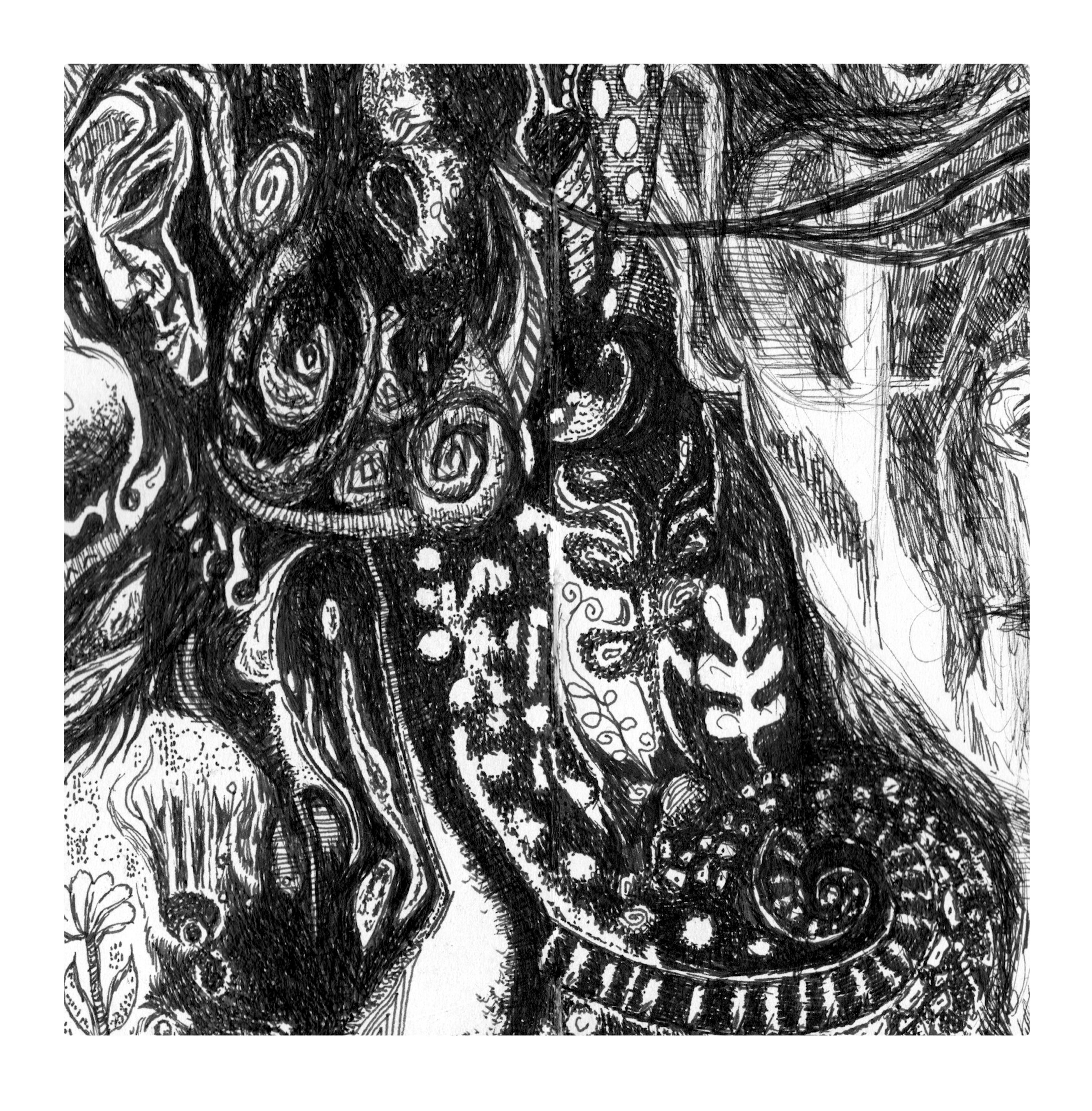
I juxtaposed an image from The Book of Kells with a photo found online showing friends or neighbours (or actors) eating dinner on TV trays in front of a television ‘set.’
My father told me once our family had the first television ‘set’ on the block. Yet still my parents and the neighbours, in the new subdivision built on chewed-up farmland, socialized on the street, in lawn chairs, late on summer nights beneath the stars (no glare of streetlights yet). Ice cubes, shaken from metal trays cracked open with a handle, floated in iced coffee served in metal drinking glasses. Sometimes my mother would call me to empty the glass ashtray. Glass and metal and dark. They remembered something about then.
Then felt closer to in the beginning.
Originally this post contained an oblique rhyming poem I edited, in real time throughout the day, down to two lines (above). This is writing to go with the images. It’s not a ‘received’ poem.
When I created the ‘wordless poem’ Never More Together (120 linocut prints – The Porcupine’s Quill) in 2014 I sometimes needed to answer questions like, ‘How is this a poem?’
So I wrote the poem Meditations on a Wordless Poem. In earlier versions I related it to the silent process of carving in lino and creating non-linear poetry via images. I recall describing how I warmed lino under a hot lamp (during a heat wave!) so it would be easier to carve. In the poem found below I abandoned such descriptions, focusing more on the metaphysical. One thing leads to another.
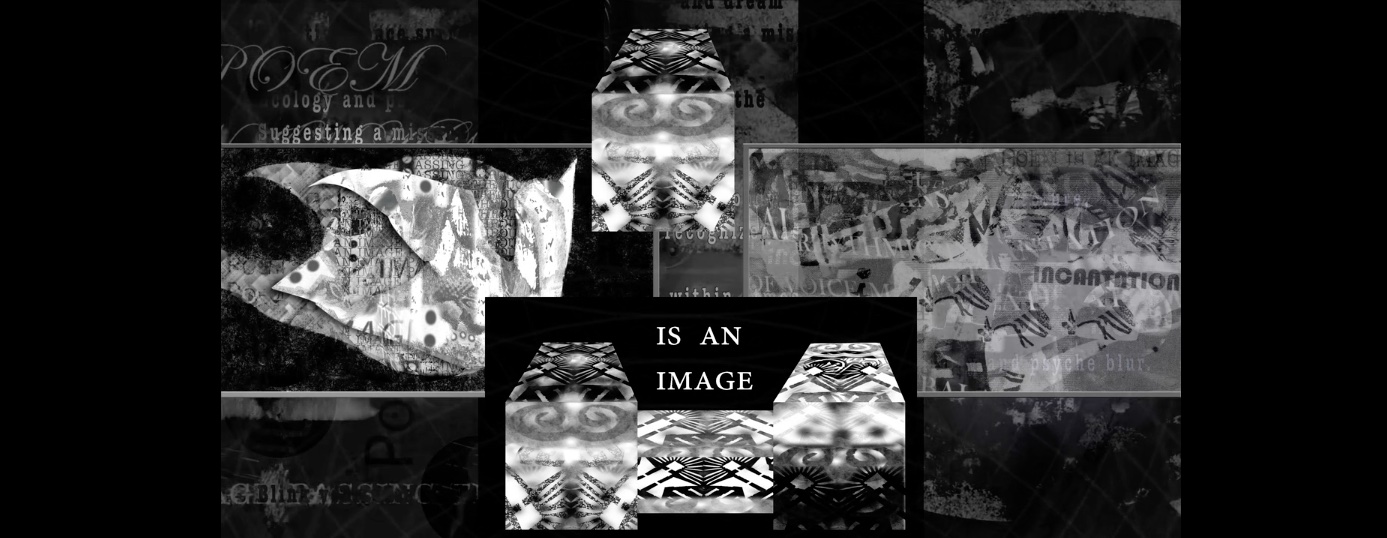
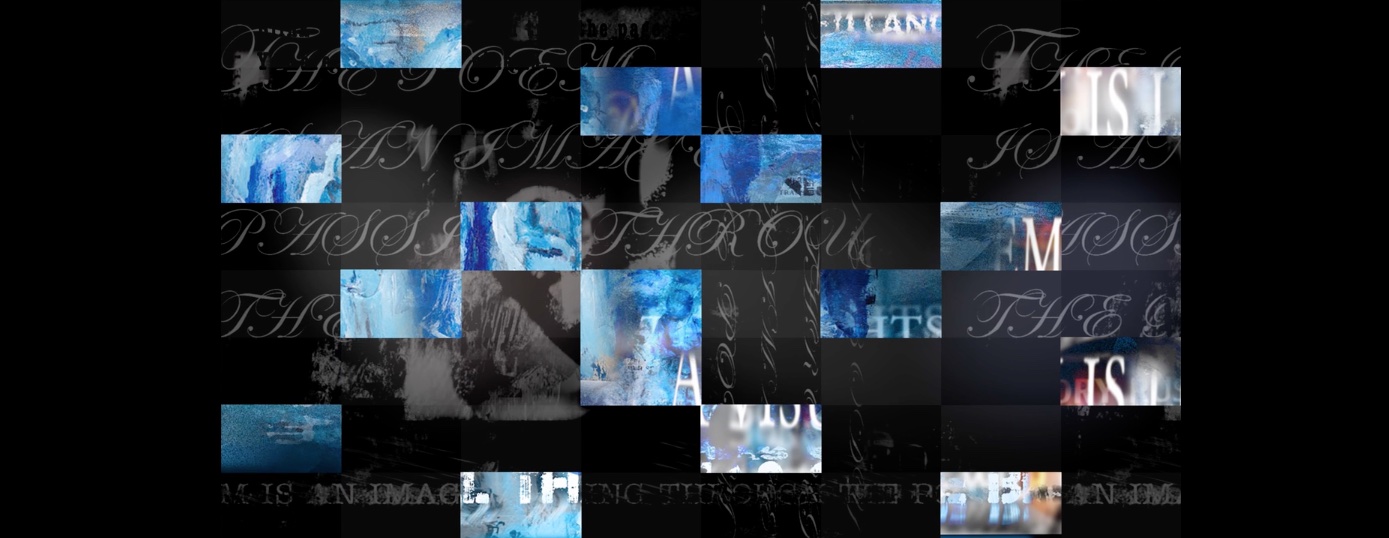
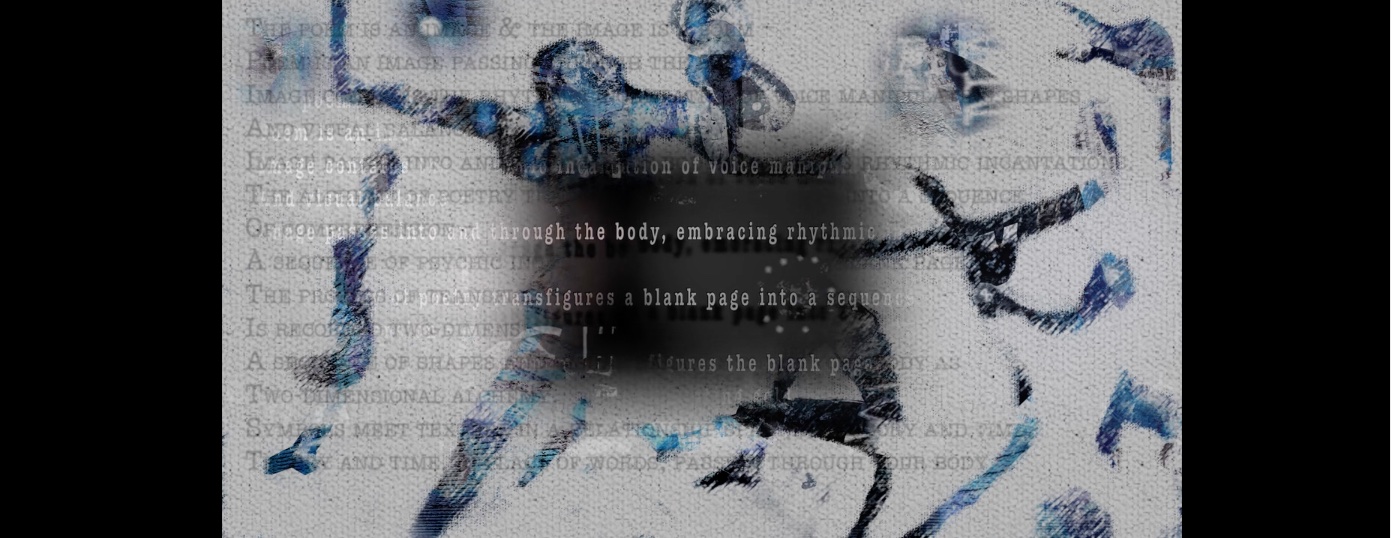
In 2020 Konrad Skreta and I co-directed a 32:28 poetry/art (animation) video based on this poem. Because of Covid, and disruptions, or so I tell myself, I am just now getting around to submitting the video (titled Ode to a Wordless Poem) to festivals.
I watched it again today. Konrad embellished my poetry and images (text-art & visual poetry) by composing ever-shifting & evocative geometric and organic designs. & Within a landscape of psyche, perception and shadow the music too, as well as Konrad’s soundscape, is hypnotic. One thing leads to another.
Meditations on a Wordless Poem
The poem is an image & the image is a poem
Poem is an image passing through the body.
Image contains the rhythmic incantation of voice manipulating shapes
And visual balance –
Image passes into and through the body, embracing rhythmic incantations.
The alchemy of poetry transfigures a blank page into a sequence
Of comprehension –
A sequence of psychic incantation configures the blank page.
The process of transfiguring dross and creating gold
Is recorded two-dimensionally –
A sequence of shapes and visual balance enter your body as
Two-dimensional alchemy.
Symbols meet texture in a relationship spanning theory and time.
Theory and time, in place of words, pass through your body.
Epic poetry resembles line and movement
An ancient voice extends invisible realities into song
Songs of prehistory rush forward, intersecting with our surveillance state.
A visual poem is like a city
As the lights go off, a new sound emerges of all that has gone before
Missing words, animals, plants and civilizations are replaced
Epic poetry rushes forward containing new information.
Poetry, pulsing, aims within a sequence of images
Invisible line responds, summoning persona, questing,
Transmitting erotic signals
Light hollows any false reflection
New information transmits erotic signals
The lights in a city fade
Street by street.
As the image is read the pulse of the work transfigures
Surrealism speaks of fragrance and desire
Alchemy embodies fragrance
The alchemical poem juxtaposes human need and the impossible
Human desire interfaces with the surveillance state
The white of the page recorded two-dimensionally
The fragrance of light a dreaming of desire.
Subconscious language is dream entwining both image and word within
Phenomena as natural as the elements.
Original idea & mind entwine both image and dream
Negative space surrounds the image suggesting a missing fragment of verse.
Ecology and psyche blur in the composition of the wordless poem
Suggesting a missing fragment of verse.
The alchemical juxtaposes with the social.
Missing plants and animals pass through your body, a type of social architecture
A type of shorthand evolves, culturally recognized as poetry.
Stanzas and passages translate visually within atmospheres of memory.
Images float in a psychic space of precognition.
Pictograms evolve in the composition of the wordless poem, as ecology and psyche blur.
The fragrance of light is an image passing through your body &
Recognized culturally, in social architecture, as a poem.
Blink your eyes while you turn the page in torchlight & you realize
I received a book on the Spanish artist Goya – the biography by Robert Hughes – for Christmas. It’s in the queue. I’m finishing a book on Picasso set in Paris in the early 1900s. He’s working on Les Demoiselles d’Avignon and in competition with Matisse. The author, Miles J. Unger, puts a fair amount of detail into Picasso’s Spanish youth and trips home.
During the first lockdown I watched many (contemporary) Russian TV (episodic) programs about WW2. Some incorporated archival footage. Vosnesensky, born in Moscow, was 8 or 9 during the Nazi invasion, encirclement, and Battle of Moscow.
difficult angles of light preserved in heart’s jelly
teenaged crushes trapped diagonally
undirected love felt in the presence of music
infatuation without object
movement in the skull
turtles waking in the mind’s mud
grape cluster the past becomes if artfully remembered
not images
but the script under them
negative space written in spelling errors
negligence that amends the soul
a family of perspectives driving a cumulative death
into the oncoming traffic
whole note in a black triangle on a blue background
disappearances denting the air
weather not noticed by the self absorbed
ignited visions
kissed ashes
barrel in the cellar
parallel fermentation of grape juice and darkness
the strong red taste of every humanizing event
stolen hour at the church dance
when a hard father’s daughter meets the one
who steals her from home
mines and quarries dug with the eyes
dream’s mailman
slipping letters through the slot
the white surrounding this
word
Luciano Iacobelli is a Toronto poet, publisher and editor. From 2007 to 2019 he was involved with Quattro books as both publisher and editor. He still runs a micropress entitled Lyricalmyrical press, specializing in hand made poetry chapbooks. As an author, he has published 6 full length books of poetry, his most recent book DOLOR MIDNIGHT was published in 2018 and deals with the subject of gambling. His next book, NOCTOGRAMS is due to be published in the fall of 2020 and deals with the subject of night and transformation.
Prologue begins THE ANGEL NOTEBOOK (Seraphim Editions, 2007)
Yes and the form once liberated from the laws of physics
and the conventions of decor can create its own ungrounded, untethered place
in the viewer’s imagination…
stimulating synaptic firing and creating new neuropathways
with much the same vitality as lyrical music and dance.
The discovery of, as well as through, Klee and Miro
thus frees the apprehending subject from the representational,
its associative shackles on the one hand, while on the other,
offering refuge
from the psychological desolation many people suffer
when confronted by pure abstraction.
My mother, forever painting under great tutelage:
Arthur Lismer, Kryunsic, Toppham-Brown,
introduced me to both Klee and Miro
before my soul-crushing experience of grade school.
I found as well in Calder’s mobiles, a similar approach to the form,
at once animated and authentic.
I like in your work, the agreement between image delineation and colour choices.
I too am drawn to the language of blue, an entire lexicon unto itself.
Its relationship to white and near-whites — eggshell, plaster, bone
in juxtaposition with material expressions of light such as mustard and yellow ochre,
generate a synergy of comfort for the viewer so the eye feels at home and lingers,
as one might on a desert retreat.
Founder/Curator/Host of the Toronto Urban Folk Art Salon, TG Hamilton has been published in numerous Canadian and international lit.reviews/anthologies. His poem suite El Marillo won 1st prize in the 2018 Big Pond Rumours Chapbook Contest; his book Panoptic (Aeolus House 2018) was nominated for a Pushcart Prize and the Gerald Lampert Award; The Mezzo Soprano Dines Alone was selected for the distinguished John B. Lee Signature Series (Hidden BrookPress 2020). Dr. Hamilton’s MA Thesis (Inside the Words 1984) and PhD dissertation (A Poetics of Possibility, 2001) reflect his lifelong passion for poetry.
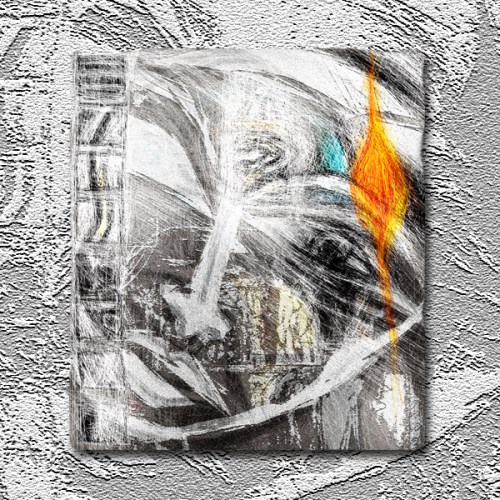
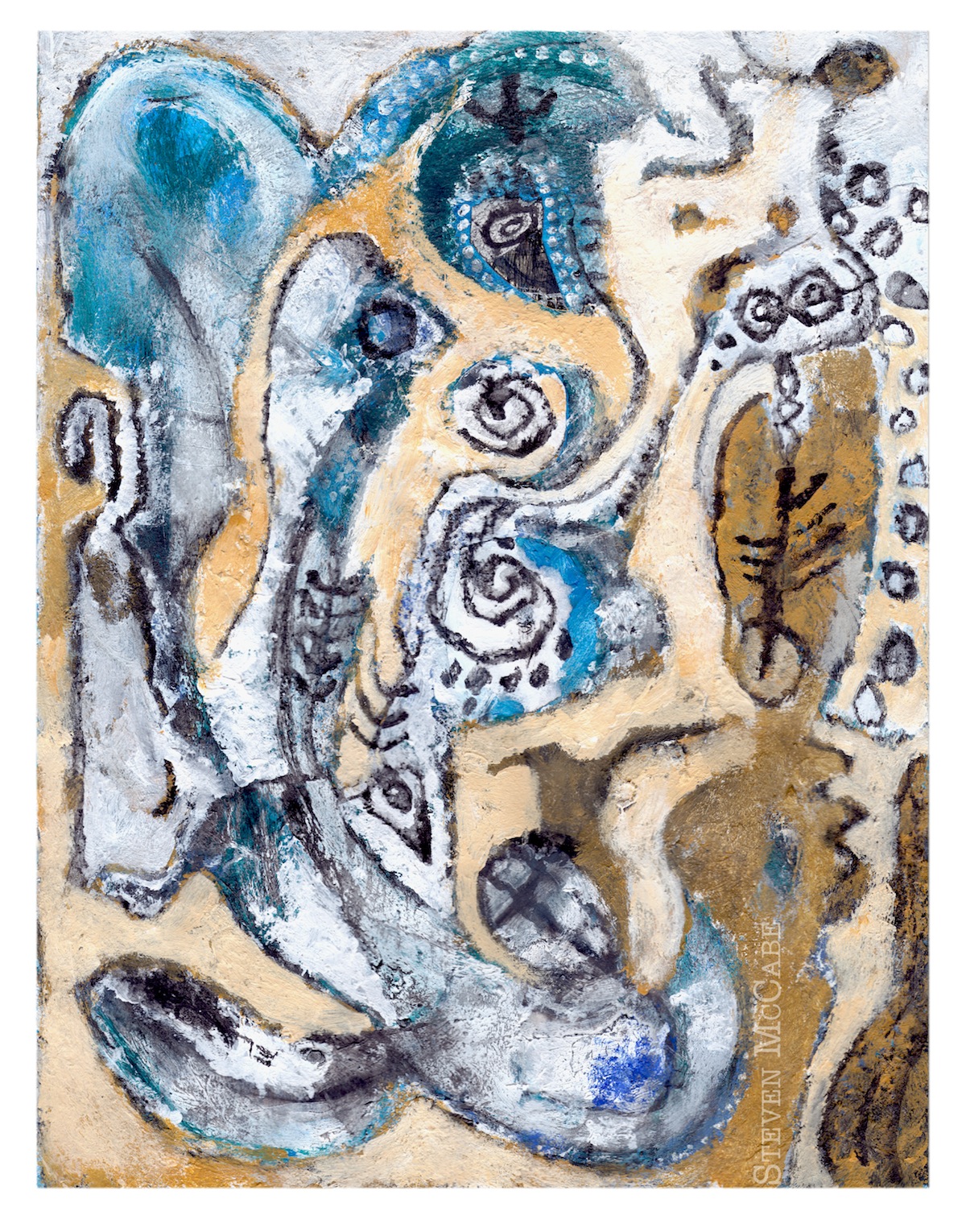
Painting by Steven McCabe, done the other day. Water-soluble graphite pencil & acrylic paint + watercolour paint in an 8.5″ X 11″ sketchbook. The Naples Yellow turned ochre-ish blending with graphite.
Watching you in the shadows rip your poems into pieces, tossing them like blossoms cascading into a bucket of glowing coals.
The shadows of your hands flutter perfectly against the wall, the shadow of your fingers tearing shapes into pieces, tossed up & falling down, the sun at two o’clock highlighting shadows like birds sliding down the wall.
Nobody imagined your face streaked or the palms of your hands covered in coal dust.
One torn fragment flies through smoke and sticks to your streaked face in the shadow of a cherry tree, the bucket heavy as an anchor, the last of your words going up in smoke.
I fell in love with the maps of distant time, unexplained distant time & the Neolithic, I fell in love with the Neolithic – your dark hair,
Dark as some mystery strain of ancient wheat shimmering in the coolness of twilight, pressing your toes and fingers into the clay floor, stretching your body from horizon to horizon
Balancing a voluminous golden disc upon your delicate, curving spine. I’ve learned the language of discs and cherry blossoms, your fingers and smoke. I bury my animal cry.
Your shadows are hunger.
The eye blinks once in the gloomy shadow of the soul’s laboratory. A shattered disc showers fragments. Clay – no, not clay – gold. Hollow doors open and close, concealing this world. You seize the universal remote. Your fingertips press TV channels bright as a sun. The Clay Channel. The Gold Channel.
You gave me an indelible precision I mistook for esoteric ambiguity. Shadows conceal and reveal. I gave you tools for repairing machinery. You asked where this machinery might be found.
In the Legion parking lot snakes fall from the sky. You sing them down into the branches, how you sang! They wound themselves down, sliding and wet, their hearts tinted with gold, zigzagging into liquid angles and spitting hieroglyphics, falling upon your shoulders like rain loosening your hair.
Cauldrons along your spine bubbled over spilling gold. I was drawn as if by a magnet to your magical hysteria on the night you promised you would never shatter again.
You raved about a coastline where we might find ourselves half-buried.
You ridiculed mannerism in cinema but never did you ridicule Suprematism. In the shadow of a tower you open a drawer filled with soft gloves and the sounds of night. You pull charcoal up to your elbow. The Suprematism of your eyes lined with kohl.
A movement crosses the palm of your hand dividing stone from water. Your breath fills your spine with heat, a motionless reflection shimmers, spreading to the edge of a stone radius.
Your blood has not forgotten this stone.
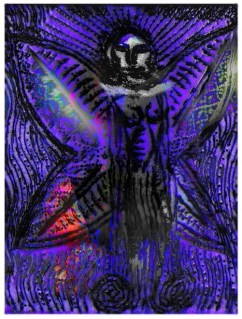
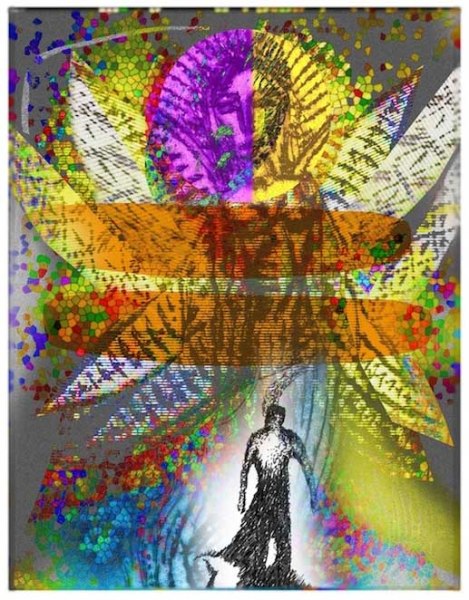
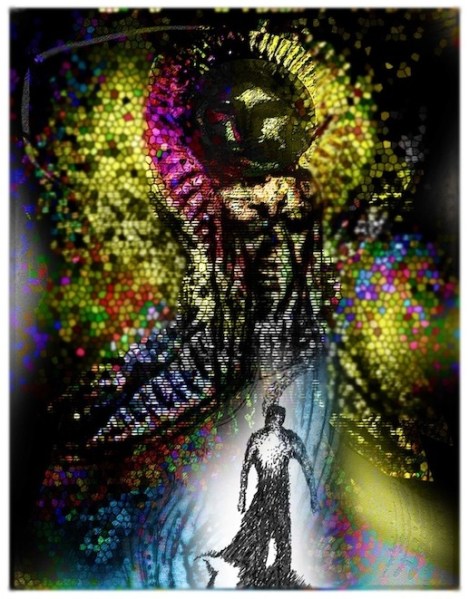
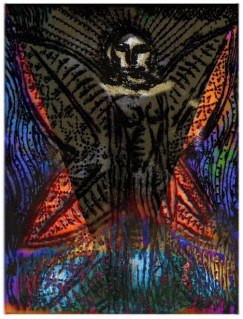
I read Neolithic in full in February and it took me ten minutes to read with a fairly brisk delivery. I have edited it substantially (and spontaneously) for this posting. I hope I have conveyed the essence of the poem even knowing how much is missing…
Born in Albania, Majlinda Bashllariis the author of two poetry collections, Një udhë për në shtëpi (A road to home), published in Tirana, Albania (Morava, 2007) & Love is a very long word, published by Guernica Editions in 2016. Bashllari’s work has appeared in numerous Albanian art and literature magazines and in Albanian anthologies of essays and short stories. She lives in Toronto.
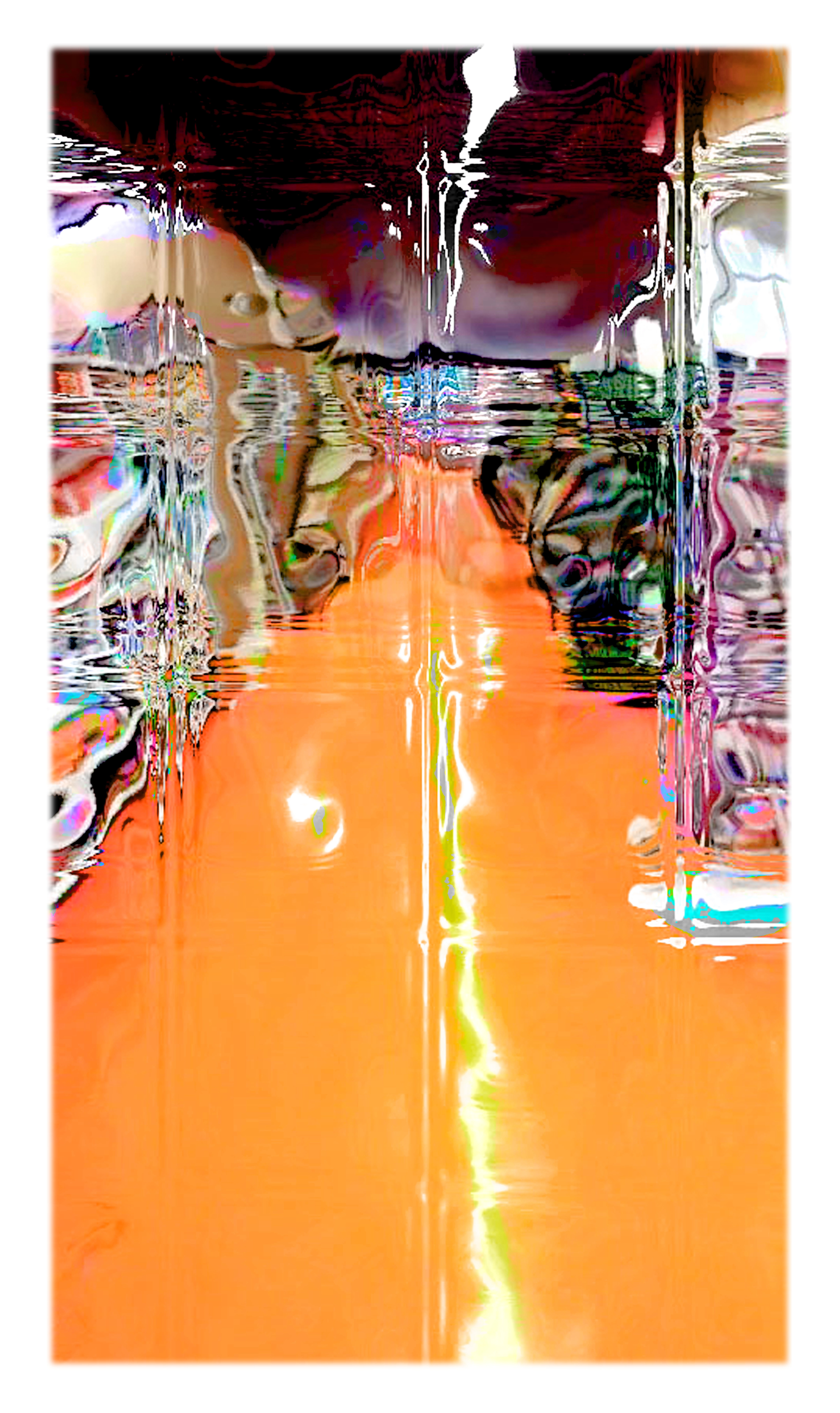
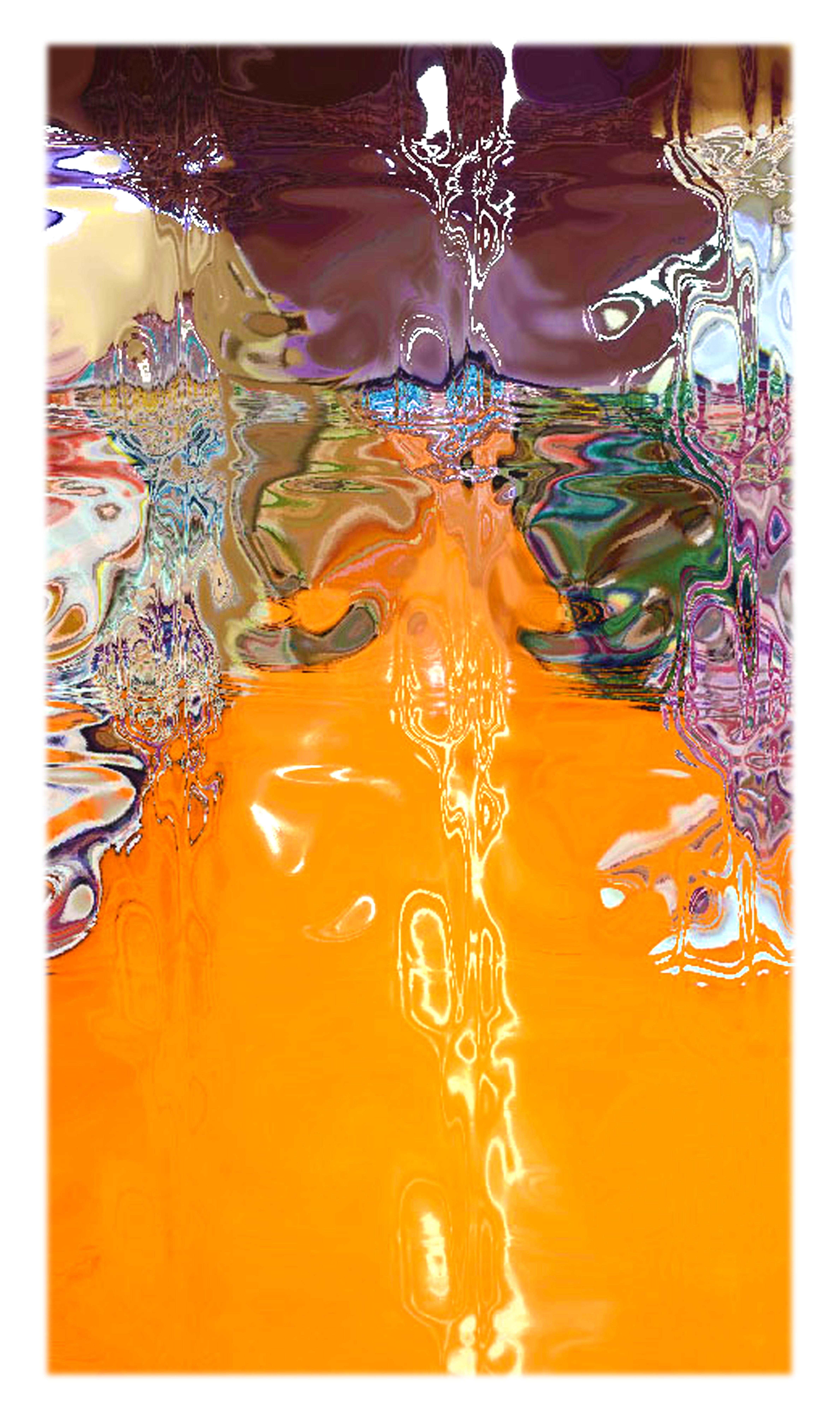
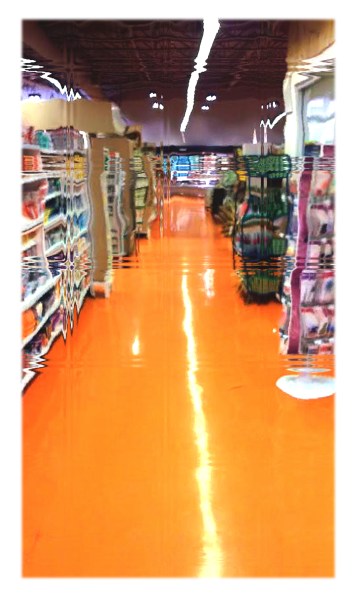
All I wanted was a can of rice pudding. After a long day I wanted a reward. Not a drink. Not dope. Just some rice pudding.
In other stores I’ve seen cans of rice pudding beside the Devon cream near the condensed milk or in the baking goods section.
I thought of her, who I lost, and how she would heat pudding and serve it topped with Devon cream. I wondered who she was serving now.
The staff had no clue. One said aisle 13 with a blank stare.
‘Isn’t it with the pudding?’ said the one with centipede eyebrows.
I was determined to find the rice pudding section.
A woman without a shopping cart or purse or umbrella studied a jar in aisle 13 and then a bag in the organic section freezer. I figured she was the store detective or an immigrant figuring things out or maybe somebody lonely looking to get picked up.
I checked every possible location. No luck.
I walked away half an hour later in the rain wondering what sort of loser looks for rice pudding at ten o’clock on a Saturday night.
I thought of Rumi saying sell your cleverness and buy bewilderment.
But I didn’t have any cleverness to sell.

















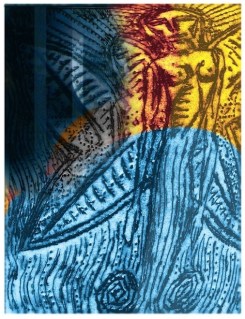
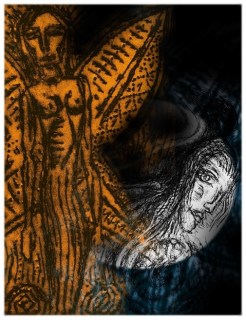
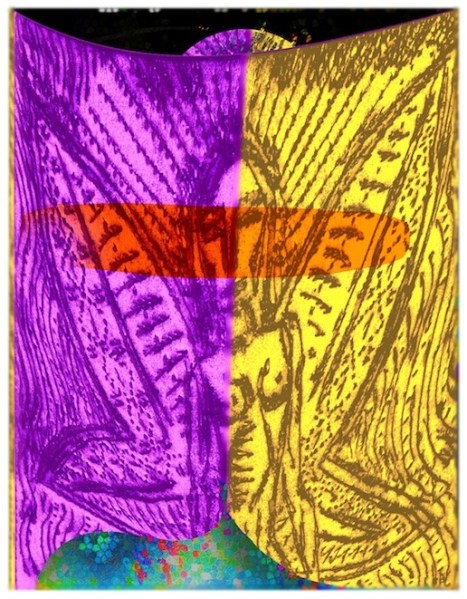


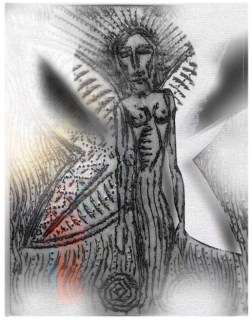


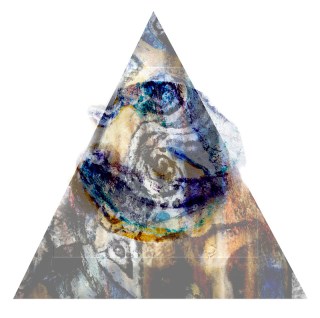
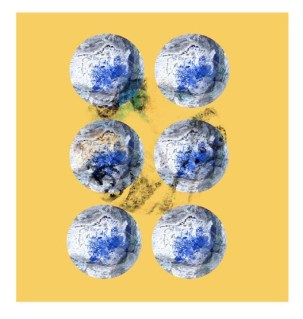




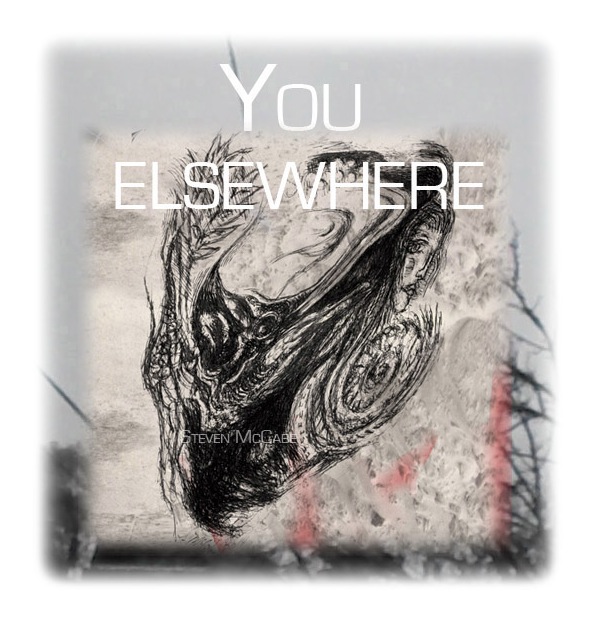



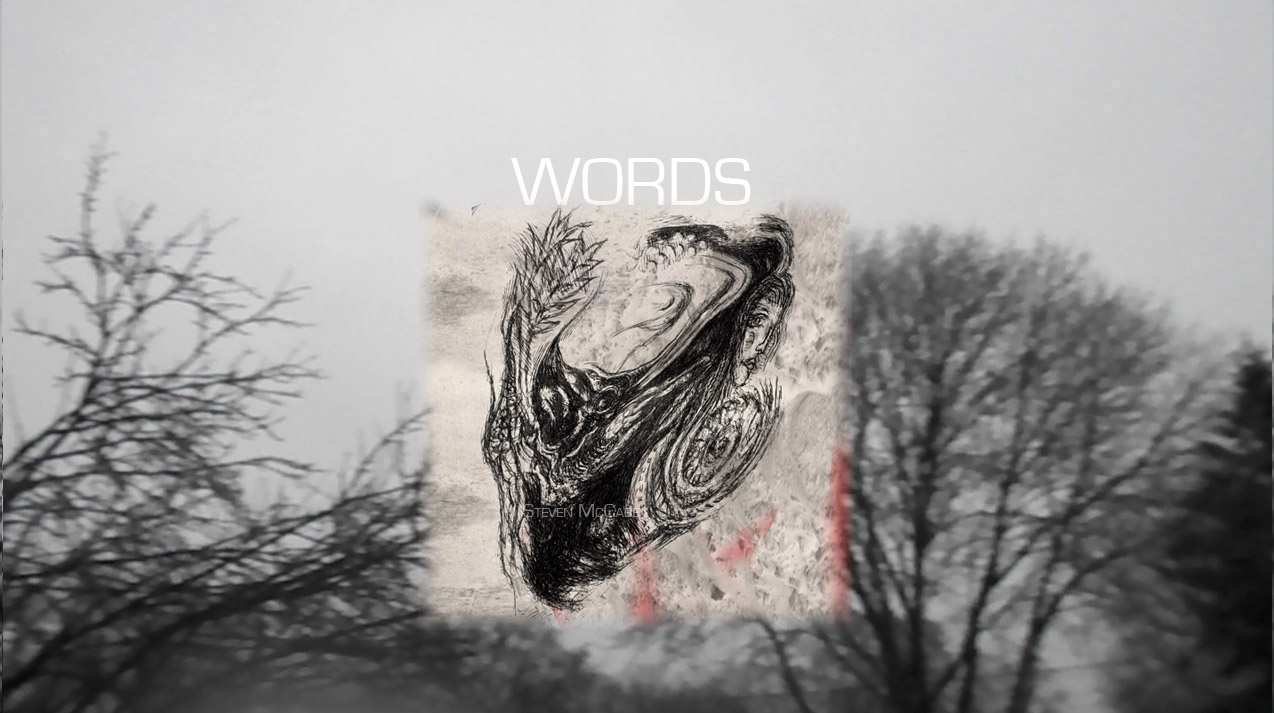




 I read Neolithic in full in February and it took me ten minutes to read with a fairly brisk delivery. I have edited it substantially (and spontaneously) for this posting. I hope I have conveyed the essence of the poem even knowing how much is missing…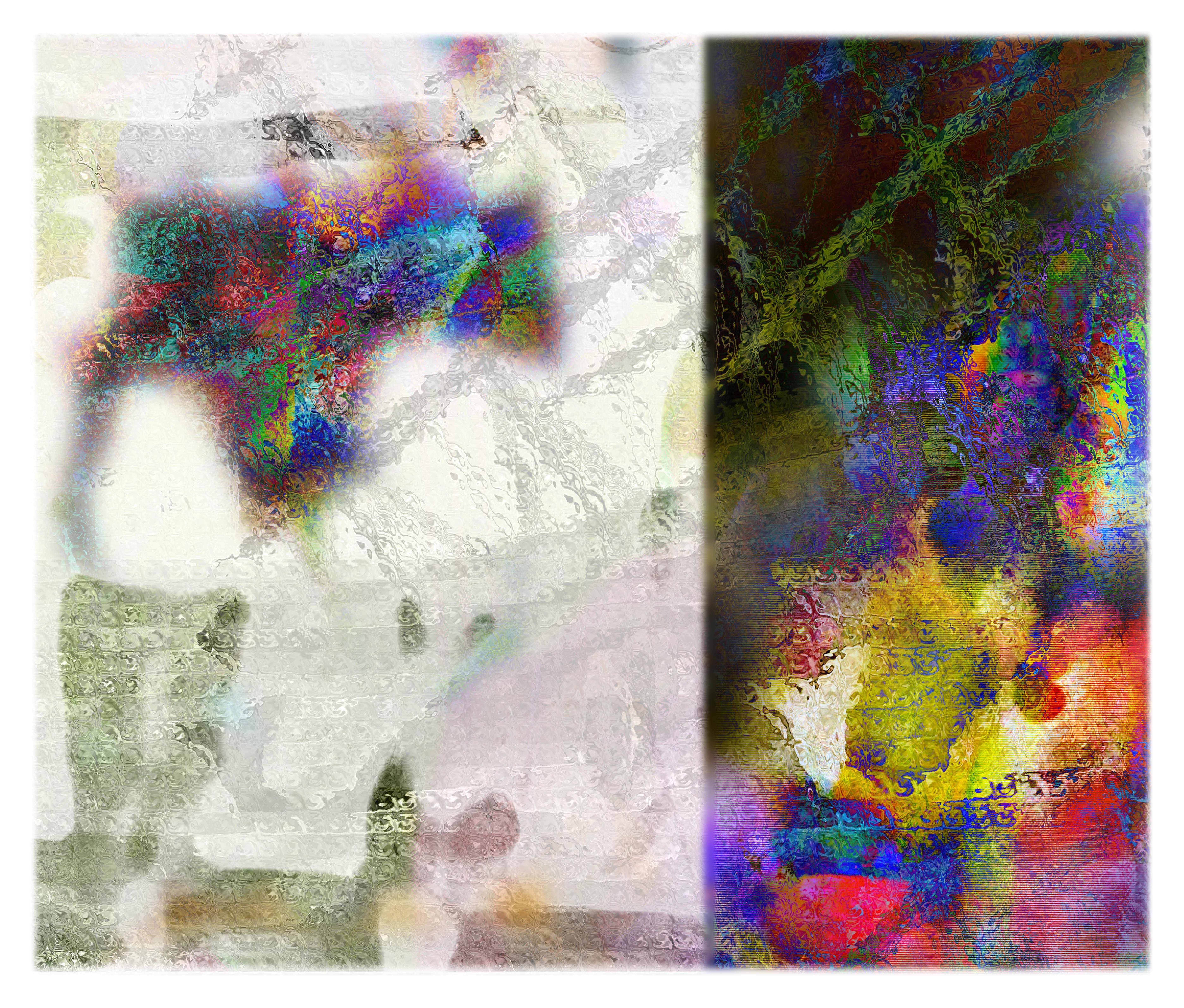







 poemimage